Are your kitchen cloths always a mess, cluttered, or hard to find when you need them most? How you store these everyday essentials can make a big difference in keeping your kitchen clean, organized, and hygienic.
Imagine reaching for a fresh, dry cloth every time without the hassle of digging through a pile. You’ll discover simple, effective ways to store your kitchen cloths that save you time and keep your space tidy. Ready to transform your kitchen routine?
Let’s dive in.
Choosing The Right Cloths
Choosing the right kitchen cloths helps keep your kitchen clean and neat. Different types of kitchen clothssuit different tasks. Cotton cloths are soft and absorbent. They work well for drying dishes and wiping surfaces. Microfiber cloths hold more water and dry faster. They are great for spills and cleaning windows.
| Material | Durability | Best Use |
|---|---|---|
| Cotton | Lasts long with proper care | Drying, wiping, general cleaning |
| Microfiber | Very durable and quick-drying | Spills, glass, and mirror cleaning |
| Linen | Strong and long-lasting | Drying dishes and polishing |
Size and absorbency matter. Larger cloths can cover more area fast. Smaller cloths are good for small spills. Cloths with high absorbency soak up more water and messes. Pick cloths that match your kitchen needs well.
:max_bytes(150000):strip_icc()/spr-the-container-store-bathroom-under-sink-starter-kit-stella-yu-13-3c28f6b102c94851a0429325c3f90691.jpeg "How to Store Kitchen Cloths 1")
Credit: www.thespruce.com
Cleaning Before Storage
Use warm water and mild detergent to wash kitchen cloths thoroughly. Avoid bleach as it can weaken fabric fibers. For tougher dirt, soak cloths for 15 minutes before washing. Machine wash on a gentle cycle to protect fabric quality. Rinse well to remove all soap residues.
Dry cloths completely to prevent mold and bad smells. Sunlight is best for drying; it also kills germs. If using a dryer, select a low heat setting to avoid shrinking. Never store damp cloths, as moisture breeds bacteria and odors.
To remove stains and odors, try these tips:
- Apply baking soda paste on stains, let sit 30 minutes, then wash.
- Soak cloths in vinegar water for 1 hour to remove odors.
- Use lemon juice for brightening and fresh smell.
- Repeat stain treatment if needed before drying.
Storage Options
Kitchen cloths stay clean and dry when stored in a well-ventilated space. Using hooks or baskets keeps them organized and easy to reach. Avoid damp areas to prevent odors and mold growth.
Organize kitchen cloths with drawer dividers. These dividers keep cloths neat and easy to find. Roll the cloths instead of folding them. This saves space and prevents wrinkles. Use small boxes or bins inside drawers. They hold cloths and keep them separated. Label each section for quick access. Install hooks on walls or inside cabinet doors. Hang cloths on these hooks to save space. Use a tension rod under the sink. Hang cloths with clips or clothespins. Hang cloths on a towel bar for easy drying. This method keeps cloths dry and fresh. Store cloths in baskets for a tidy look. Choose baskets with handles for easy carrying. Use clear containers to see what’s inside. Stack containers to save space. Label each container with the type of cloth. This helps in finding the right cloth quickly. `Maintaining Freshness
Keep kitchen cloths dry to stop bad smells and germs. Store them in a clean place with good air flow. Avoid folding wet cloths; let them dry fully first.
Natural fresheners like lemon slices or baking soda help keep cloths smelling nice. Place a small bowl with these near your cloth storage area.
- Change cloths often to prevent dirt build-up.
- Use different cloths for different tasks.
- Wash cloths regularly to keep them fresh.
Tips For Long-term Storage
Spare kitchen cloths should be clean and dry before storing. Use airtight containers or sealed plastic bags to keep them fresh. Store cloths in a cool, dry place away from sunlight to avoid fading and damage.
Protect cloths from pests by using natural repellents like lavender sachets or cedar blocks. Regularly check stored cloths for signs of insects or mold. Avoid storing cloths near food crumbs or moisture sources to prevent pests.
| Labeling | Sorting |
|---|---|
| Use simple tags or stickers on containers. | Sort cloths by size, color, or use. |
| Write the date of storage for easy tracking. | Keep frequently used cloths easily accessible. |
| Clear labels help find cloths quickly. | Separate cloths for cleaning and drying tasks. |
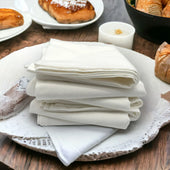
Credit: www.floursacktowels.com

Credit: www.hgtv.com
Frequently Asked Questions
How Should I Store Kitchen Cloths To Prevent Odors?
Store kitchen cloths in a dry, well-ventilated area. Avoid damp or enclosed spaces to prevent mildew and odors. Hang them after use to air dry completely before folding or storing.
What Is The Best Way To Keep Kitchen Cloths Clean?
Wash kitchen cloths frequently using hot water and a mild detergent. Avoid fabric softeners as they reduce absorbency. Regular cleaning removes bacteria and keeps cloths fresh.
Can I Store Kitchen Cloths In The Same Drawer As Utensils?
It’s best to store kitchen cloths separately from utensils. Use a dedicated drawer or basket to avoid cross-contamination and maintain hygiene in your kitchen.
How Often Should Kitchen Cloths Be Replaced?
Replace kitchen cloths every 1 to 2 months or when they smell bad or look worn out. Frequent replacement ensures cleanliness and reduces the risk of bacteria buildup.
Conclusion
Storing kitchen cloths properly keeps them fresh and clean. Use dry, well-ventilated places to avoid bad smells. Fold or hang cloths neatly to save space. Regular washing helps prevent germs and stains. Clean cloths make your kitchen safer and more pleasant.
Small habits lead to better kitchen hygiene. Start today and enjoy a tidier kitchen space. Simple steps bring big benefits.