Have you ever faced a sudden leak or needed to fix your kitchen faucet but didn’t know how to stop the water quickly? Knowing how to turn off the water in your kitchen sink can save you from messy accidents and costly repairs.
In this guide, you’ll learn simple, step-by-step instructions that anyone can follow—even if you’re not handy with tools. Keep reading, and you’ll gain the confidence to handle your kitchen sink’s water supply like a pro.
Credit: www.lanesdrainageservices.co.uk
Locate The Shut-off Valves
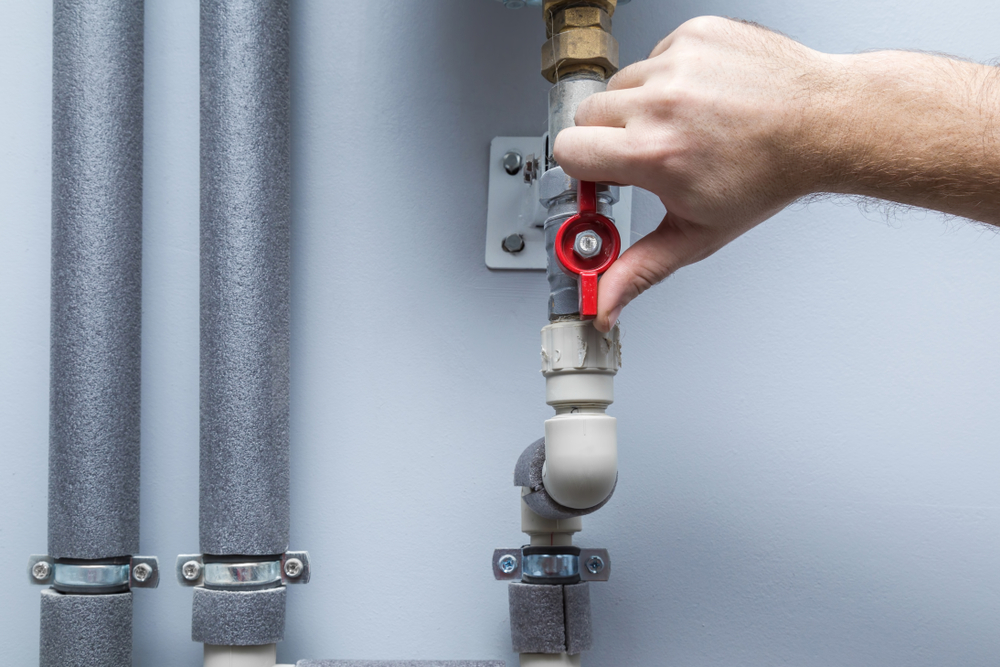
Shut-off valves control the water flow to the kitchen sink. Usually, they are located under the sink cabinet. Look for two small valves, one for hot water and one for cold water.
These valves often have round or oval handles. Turning them clockwise will stop the water. Sometimes, valves might be behind the cabinet or under the sink pipes. Check carefully to find them.
- Turn the handles slowly to avoid damage.
- Make sure both valves are fully closed.
- If no valves are visible, the main water shut-off may be needed.

Credit: www.drano.com
Turn Off The Main Water Supply
Locate the main water valvein your home. It is often near the water meter or where the main pipe enters the house. Turn the valve clockwiseto close it. This will stop all water flow to the kitchen sink and other parts of your home.
Check if the water is off by opening the kitchen sink faucet. No water should come out. If water still flows, try turning the valve more tightly.
Some homes have a shut-off valveunder the kitchen sink. Turn this valve clockwise to stop water only to the sink, not the whole house.
Drain The Remaining Water
Open the faucet to let all the water drain out. This stops any water left in the pipes from causing leaks. Use a bucket to catch water if needed. Keep the faucet open until no more water flows out.
Check under the sink for any water drops. Wipe them with a cloth to keep the area dry. This helps prevent mold or damage.
- Turn off the main water valve first.
- Open the sink faucet fully.
- Let water drain completely.
- Dry the sink area thoroughly.

Credit: www.youtube.com
Check For Leaks After Shut-off
After turning off the water, check all pipesunder the kitchen sink. Look for any drips or moisture. Even a small leak can cause damage over time.
Keep a dry cloth or paper towel handy. Wipe the pipes and watch for wet spots after a few minutes. This helps find hidden leaks.
Pay special attention to these areas:
- Where pipes connect
- Valve handles
- Faucet base
If you see water, try tightening connections gently. Check again after a few minutes. If leaks continue, you might need a plumber’s help.
Tips For Maintenance And Safety
Locate the shut-off valveunder the sink. Turn it clockwise to close the water flow. If no valve is found, use the main water supply valve.
Check for leaksafter closing the valve. Tighten any loose connections carefully. Use a cloth to catch drips while working.
Keep the valve clean and freefrom dust or rust. Regularly test the valve to ensure it works smoothly. This helps prevent sudden water issues.
- Wear gloves to protect your hands.
- Use a flashlight for better visibility.
- Have a bucket ready to catch excess water.
- Do not force the valve if it is stuck.
- Call a plumber if unsure or if problems persist.
Frequently Asked Questions
How Do I Find The Water Shut-off Valve Under The Sink?
Look under the kitchen sink near the pipes. The valve is usually a small round or oval knob.
Can I Turn Off The Kitchen Sink Water Without Tools?
Yes. Turn the shut-off valve by hand clockwise until tight. No tools are needed.
What If The Water Won’t Stop After Turning The Valve?
Try turning the valve more firmly. If water still flows, the main house valve may need closing.
Conclusion
Turning off the water in your kitchen sink is simple and quick. Find the shut-off valves under the sink and twist them clockwise. This stops water flow and prevents leaks. Knowing this skill saves time and money during repairs or emergencies.
Always check if water is fully off before fixing anything. Practice this once, and it becomes easy to do anytime. Keep your home safe by controlling water flow when needed. Small steps like these make a big difference in household care.