Is your kitchen sink draining slowly or completely stopped? A grease clog might be the sneaky culprit behind that frustrating blockage.
When grease builds up inside your pipes, it can cause serious backups that disrupt your daily routine. But don’t worry—you don’t have to call a plumber just yet. You’ll learn simple, effective ways to unclog that stubborn grease and get your sink flowing smoothly again.
Keep reading, and you’ll discover easy steps you can take right now to fix the problem and prevent it from coming back.

Credit: aslanplumbing.ca
Causes Of Grease Clogs
Grease comes from many common kitchen sources. Used cooking oils and fats from frying are major culprits. Leftover butter, shortening, and meat drippings also add to the problem. Even small amounts can build up over time.
Grease looks liquid when hot but hardens as it cools. Inside pipes, it sticks to walls and traps food particles. This slows water flow and causes blockages. Over time, the clog grows thicker and harder to remove.
| Common Kitchen Grease Sources | How Grease Hardens in Pipes |
|---|---|
| Used cooking oil and fat | Grease cools and sticks to pipe walls |
| Butter and shortening | Traps food scraps and debris |
| Meat drippings and sauces | Builds thick layers that slow drainage |
Signs Of A Grease Clog
Slow draining wateris a clear sign of a grease clog. Water takes longer to leave the sink. It may even pool around the drain.
Foul odorscome from grease buildup in pipes. These smells can be strong and unpleasant. They often mean food and grease are stuck inside.
Gurgling soundshappen when air tries to pass through blocked pipes. These noises are unusual and signal a clog. They get louder when water drains elsewhere.
Safety Precautions
Always wear gloves and eye protection to avoid contact with harmful chemicals or debris. Ensure good ventilation to prevent inhaling fumes during the unclogging process.
Protective Gear To Use
Wearing the right gear keeps you safe. Use rubber gloves to protect your hands. Wear safety goggles to shield your eyes. An apron can keep your clothes clean. This gear can prevent accidents.Handling Chemicals Safely
Always read labels on cleaning products. Follow the instructions carefully. Never mix different chemicals. This can be dangerous. Use chemicals in a well-ventilated area. This helps you breathe fresh air. Store chemicals away from children and pets. Keep your kitchen safe. `Tools And Materials Needed
Household itemslike baking soda, white vinegar, and hot water help break down grease clogs gently. A plunger can push blockages through the pipes. Old towels or rags protect the area from spills.
Plumbing toolsinclude a drain snake or auger to pull out tough clogs. A wrench helps open the drain trap for cleaning. Gloves keep hands safe while working.
| Chemical Cleaners | Purpose |
|---|---|
| Enzyme-based drain cleaner | Breaks down grease naturally and safely |
| Caustic drain cleaner | Dissolves heavy grease but use with care |
Step-by-step Unclogging Methods
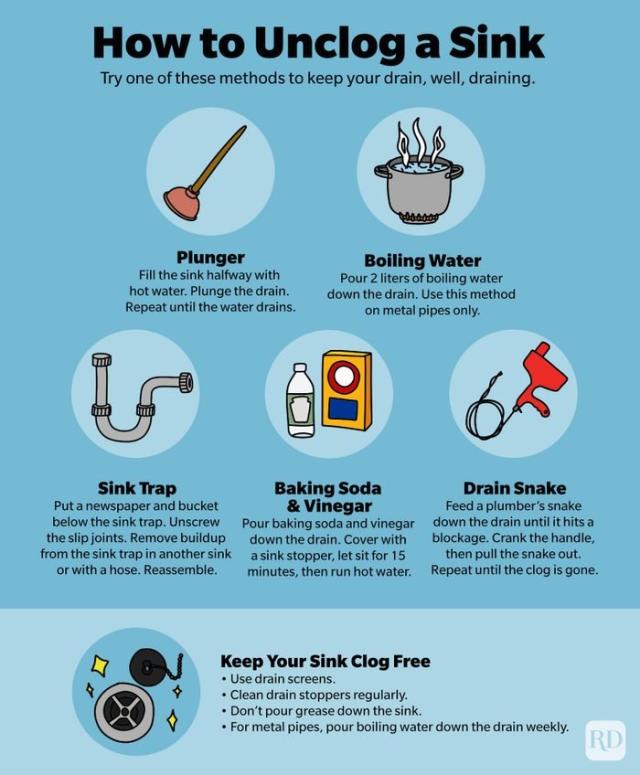
Pour boiling waterslowly into the sink drain. This helps to melt the grease clog. Repeat this process several times for best results. Be careful to avoid splashing hot water.
Mix half a cup of baking sodawith half a cup of vinegar. Pour the mixture into the drain. Let it sit for 15 minutes to break down the grease. Rinse with hot water afterward.
Place a plungerover the drain opening. Push and pull with force to create suction. This can dislodge the clog physically. Repeat until water flows freely.
Insert a drain snakeinto the pipe. Turn the handle to break or pull out the clog. Pull the snake out carefully and dispose of the debris.
Use chemical drain cleanersas a last resort. Follow the instructions on the label strictly. Wear gloves and keep the area well-ventilated. These chemicals can be harsh but effective.

Credit: drano.com
Preventing Future Grease Clogs
Proper grease disposal stops clogs before they start. Pour cooled grease into a container. Throw it in the trash, not the sink. Avoid pouring oil or fat down the drain.
Regular sink maintenance helps keep pipes clear. Use hot water and dish soap to clean the drain weekly. This breaks down grease buildup slowly. Avoid harsh chemicals that may harm pipes.
Sink strainers catch food and grease bits. Clean strainers after each use. This prevents grease from going down the drain. Simple tools, big help.
When To Call A Professional
Signs of severe blockage include water that drains very slowly or not at all. Foul smells coming from the sink also show a serious clog. Gurgling noises when water drains mean air is trapped. Water may back up into other drains, signaling a big problem. Persistent clogs that come back after cleaning need expert help.
Benefits of professional help are many. Experts have special tools to clear tough grease clogs fast. They can find hidden problems in pipes before they get worse. Professionals save time and stop damage to your plumbing. Hiring a plumber means the job is done right the first time, giving peace of mind.
Credit: www.aol.com
Frequently Asked Questions
How Do I Remove A Grease Clog From The Kitchen Sink?
To remove a grease clog, first scrape excess grease into the trash. Then pour boiling water down the drain to melt the grease. Use baking soda and vinegar for a natural cleaner. Finally, flush the drain with hot water to clear any residue.
What Household Items Clear Grease Clogs Effectively?
Baking soda, vinegar, and boiling water are effective household items. Baking soda breaks down grease, vinegar acts as a natural acid, and boiling water melts the grease. These items work well together to unclog and maintain kitchen sink drains without harsh chemicals.
Can Enzyme Drain Cleaners Dissolve Grease Clogs Safely?
Yes, enzyme drain cleaners safely dissolve grease by breaking down organic materials. They are eco-friendly and prevent pipe damage. Use according to package instructions for best results. Enzyme cleaners are excellent for regular maintenance and avoiding future grease build-up.
How Often Should I Clean Grease From My Sink Drain?
Clean grease from your sink drain monthly to prevent clogs. Regular maintenance keeps drains flowing smoothly and reduces odor. Using hot water and natural cleaners monthly helps avoid tough grease build-up and costly plumbing repairs.
Conclusion
Clearing a grease clog keeps your kitchen sink working well. Regular care helps avoid tough blockages later. Use simple methods like hot water and baking soda. Stay patient and repeat if needed. Remember, preventing grease buildup saves time and money.
Your kitchen sink will drain smoothly again. Keep these tips handy for future problems. Clean drains make cooking and cleaning easier every day.