If you’ve just got a KitchenAid food processor or are thinking about using one, you might be wondering how to get the most out of it. This powerful kitchen tool can save you time and effort, chopping, slicing, and mixing with ease.
But to unlock its full potential, you need to know the right tips and tricks. In this guide, you’ll discover simple steps to use your KitchenAid food processor like a pro, making meal prep faster and more enjoyable. Keep reading, and you’ll soon be creating delicious dishes with less hassle and more confidence.
Credit: www.kitchenaid.ca
Choosing The Right Model
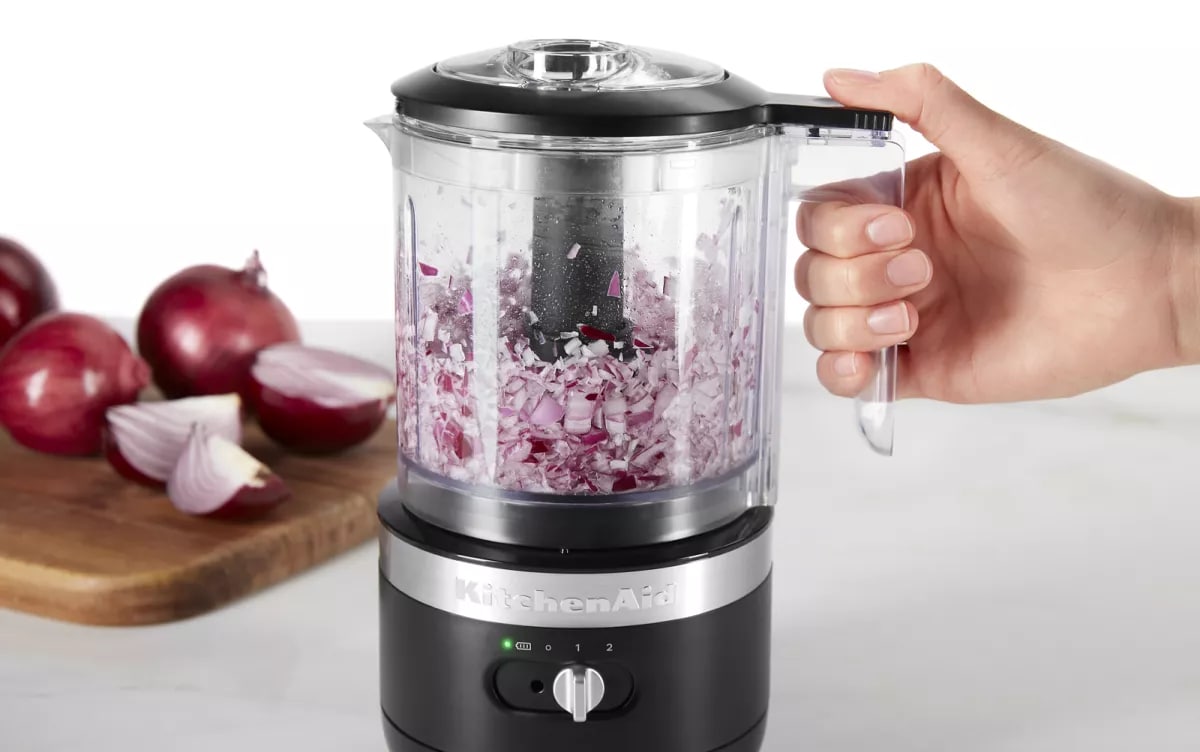
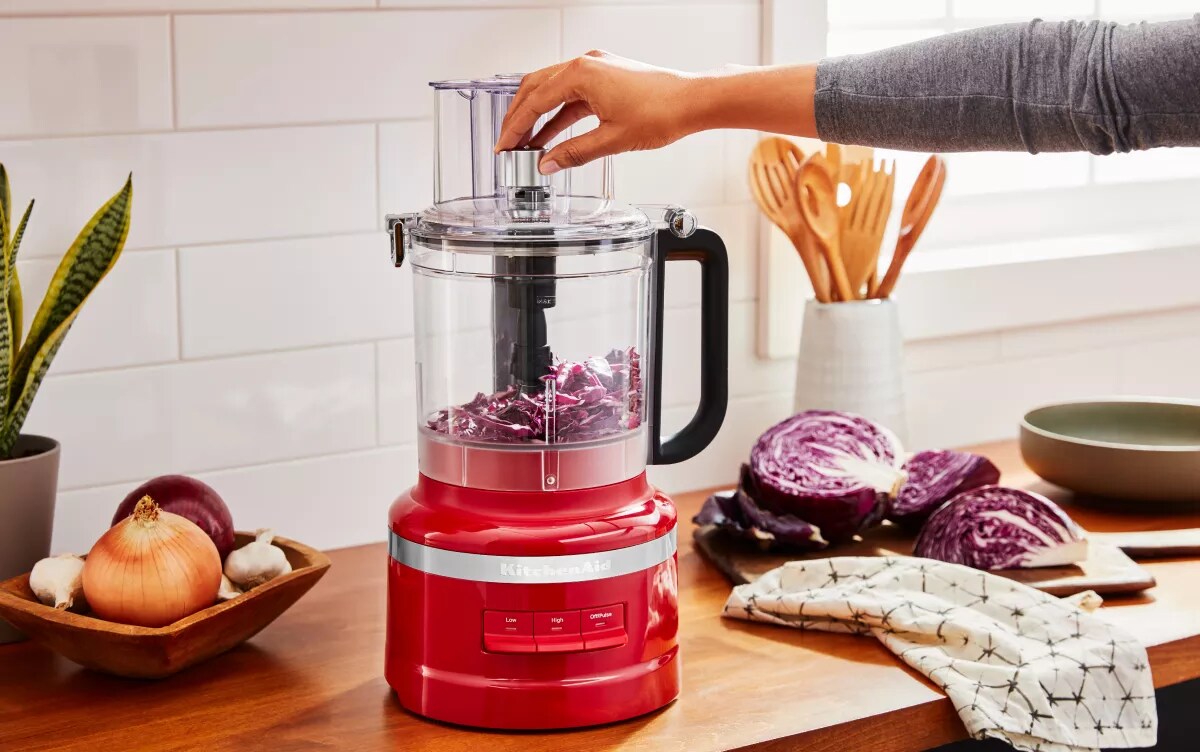
Choosing between a compactand a full-sizeKitchenAid food processor depends on kitchen space and cooking needs. Compact models are smaller and fit well in tight spaces. They handle simple tasks like chopping and slicing small amounts. Full-size models offer more power and larger bowls for big batches and tough ingredients.
Essential features to check include multiple speed settings, easy-to-clean parts, and a strong motor. Safety features like locking lids add protection. Transparent bowls help watch the process.
| Accessories | Use |
|---|---|
| Slicing Discs | Cut vegetables and fruits evenly |
| Shredding Discs | Shred cheese, carrots, or cabbage |
| Dough Blade | Mix and knead dough easily |
| Chopping Blade | Chop nuts, herbs, and onions |
Credit: www.kitchenaid.com
Setting Up Your Food Processor
Start by placing the baseon a flat surface. Attach the bowlonto the base by aligning it properly. Lock the bowl in place by turning it until it clicks. Insert the bladecarefully into the bowl center. Use gloves if the blade feels sharp.
The food processor has safety locksthat prevent it from running if not assembled right. Make sure the lid fits securely and the bowl is locked. The control panelusually has buttons for different speeds and pulse options. Press startonly after checking all locks.
Prepare ingredients by washing and cutting them into smaller pieces. Avoid overfilling the bowl; fill it only halfway. Hard ingredients like nuts may need chopping before processing. Keep liquids below the maximum fill line to avoid spills.
Basic Operations
The KitchenAid food processormakes chopping and slicing easy. Use the slicing bladefor even cuts. Place vegetables or fruits inside and secure the lid. Turn on the processor and watch your food slice quickly. Always use the food pusher to keep hands safe.
For shredding and grating, switch to the shredding disc. This tool works well for cheese, carrots, and cabbage. Insert the disc, then add food through the feed tube. The processor will shred or grate evenly and fast. Perfect for salads and toppings.
Mixing and pureeing become simple tasks with the metal blade. Add ingredients into the bowl and lock the lid. Pulse or run the machine until the food reaches the right texture. Great for making sauces, dips, or baby food. Remember to stop and check the consistency often.
Advanced Techniques
Dough kneadingwith a KitchenAid food processor is quick and easy. Use the dough blade for best results. Add flour, water, yeast, and salt into the bowl. Pulse the machine until the dough forms a ball. It saves time and effort compared to hand kneading. The dough will be smooth and elastic, perfect for baking bread or pizza.
Emulsifying saucesworks well with the food processor. Combine oil, vinegar, mustard, and seasonings in the bowl. Turn the machine on at low speed. The blades mix the ingredients quickly, creating a smooth and creamy sauce. This method is great for salad dressings and mayonnaise.
Making nut buttersis simple and fast. Place nuts like almonds or peanuts in the bowl. Run the processor continuously for several minutes. The nuts break down into creamy butter. Stop occasionally to scrape the sides for even mixing. Add salt or honey if desired.
Cleaning And Maintenance
Carefully remove all attachments from your KitchenAid food processor. Separate the bowl, lid, and blades to avoid damage. Always handle the blades with care as they are very sharp. Rinse each part under warm water to remove loose food particles before washing.
- Use mild soap and a soft sponge to clean parts.
- Avoid harsh chemicals or abrasive cleaners to protect surfaces.
- Never immerse the motor base in water.
- Wipe the motor base with a damp cloth only.
- Dry all parts thoroughly before reassembling.
Store your food processor in a dry, clean place. Keep all parts together to avoid losing small pieces. Placing blades in a safe container prevents accidents and damage. Make sure the processor is unplugged and cool before storing.

Credit: www.kitchenaid.com
Troubleshooting Common Issues
Motor overheatingcan happen if the food processor runs too long without a break. Allow the motor to cool down for 15 to 30 minutes before using it again. Ensure the bowl and lid are locked properly, as safety switches prevent operation if they are not aligned correctly.
Blade dullnessreduces cutting efficiency. Replace or sharpen blades if chopping becomes slow or uneven. Always handle blades carefully to avoid injury during cleaning or replacement.
Unusual noisesmight mean something is stuck inside or parts are loose. Turn off and unplug the machine before checking. Remove any food debris and tighten loose parts. If noise persists, contact support for further help.
Tips For Best Results
Ensure your KitchenAid food processor is clean and dry before use. Select the right blade for your task. Add ingredients gradually to avoid overfilling and achieve even processing.
Ingredient Preparation
Chop ingredients into small, even pieces. This helps the food processor work better. Hard vegetables like carrots need extra care. Cut them into thin slices. Keep all pieces the same size. This ensures even processing.
Pulse Vs. Continuous Use
Use the pulse function for short bursts. This gives more control over texture. For smooth results, use continuous mode. But watch closely. Over-processing can ruin the dish. Stop when the texture is just right.
Avoiding Overfilling
Do not fill the bowl too much. Leave some space at the top. This prevents spills and uneven processing. Check the maximum fill line. If unsure, process in smaller batches. This keeps ingredients moving smoothly.
Frequently Asked Questions
How Do I Assemble A Kitchenaid Food Processor?
To assemble, attach the work bowl to the base. Lock it in place. Insert the blade or disc securely. Finally, place the lid and lock it before use.
What Ingredients Can I Process With Kitchenaid?
You can chop, slice, shred, and puree vegetables, fruits, nuts, cheese, and cooked meats. It handles dough and batters too.
How Do I Clean My Kitchenaid Food Processor?
Unplug first. Remove blades carefully. Wash bowl, lid, and blades in warm soapy water or dishwasher. Dry all parts before reassembling.
Can I Make Dough With A Kitchenaid Food Processor?
Yes, use the dough blade attachment. Add flour, water, and yeast. Pulse until the dough forms and is smooth.
Conclusion
Using a KitchenAid food processor saves time in the kitchen. It chops, slices, and mixes ingredients quickly. You can prepare meals with less effort and mess. Cleaning the parts is simple and fast. This tool suits many recipes and cooking styles.
Enjoy cooking more with this helpful appliance. Keep practicing to feel confident using it every day. Your meals will taste great and look neat too. Give your kitchen a helpful hand with this device.