Are your kitchen cabinets looking dull or sticky? Finding the right cleaner can make all the difference in bringing back their shine and keeping them fresh.
But with so many products out there, how do you know which one is safe and effective for your cabinets? You’ll discover simple, proven solutions that protect your cabinets while making cleaning quick and easy. Keep reading to learn how to make your kitchen look spotless without any hassle.
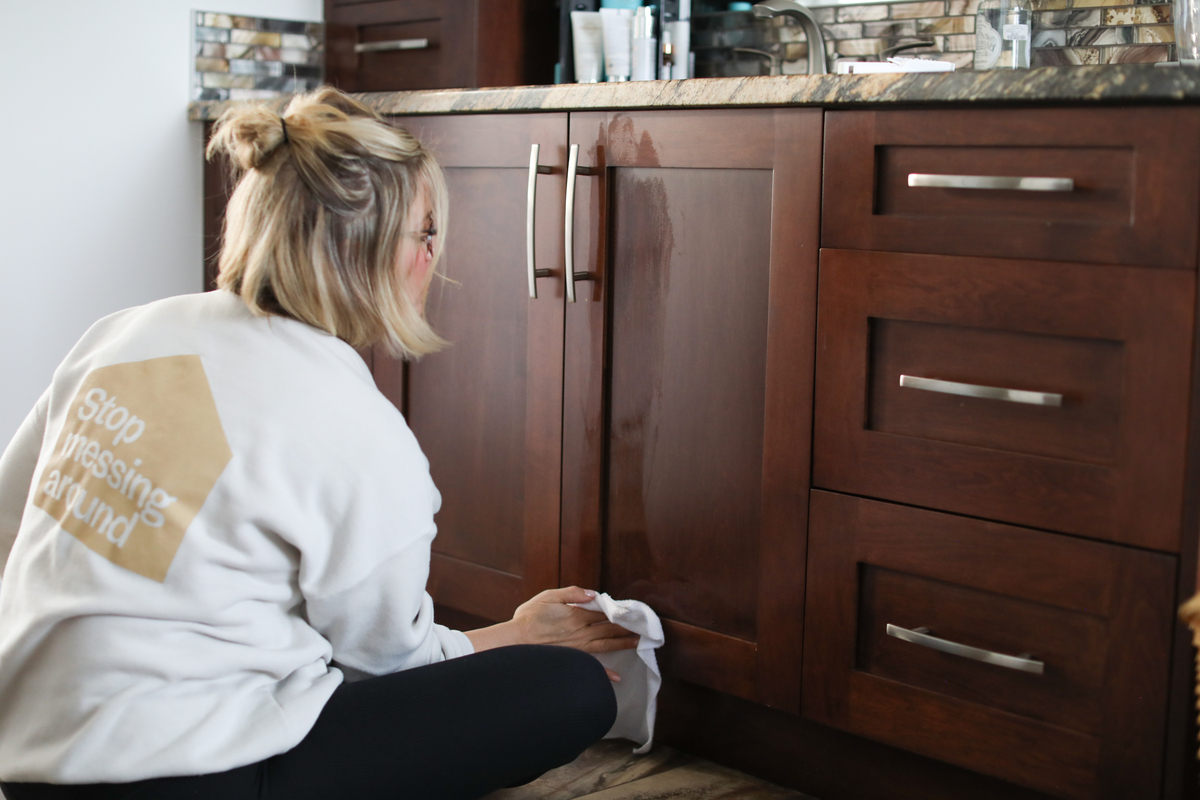
Credit: www.housework.com
Types Of Kitchen Cabinet Cleaners
Natural cleaners use safe ingredients like vinegar, lemon juice, and baking soda. They are gentle on surfaces and free from harsh chemicals. Vinegar helps remove grease and dirt effectively. Lemon juice adds a fresh scent and cuts through grime. Baking soda acts as a mild scrub to lift stains without scratching. These cleaners are eco-friendly and safe around children and pets.
Commercial cleaners come in many forms like sprays, wipes, and gels. They often contain chemicals that quickly break down grease and stains. Many are designed for specific cabinet materials, such as wood or laminate. Always check the label to ensure compatibility. Use gloves to protect your skin when handling strong cleaners. Follow instructions carefully for the best results.
DIY solutions combine common household items for easy cleaning. Mixing water with mild dish soap can clean most cabinets gently. A paste of baking soda and water helps remove tough spots. Olive oil can polish and protect wooden cabinets after cleaning. These mixtures are cheap, easy, and effective for regular maintenance.
Key Ingredients To Look For
Non-toxic componentskeep your kitchen safe and clean. These cleaners avoid harsh chemicals that can harm your family or damage cabinets. Look for ingredients like vinegar, baking soda, or plant-based surfactants. They clean well without toxic fumes.
Grease-cutting agentsbreak down tough oils and food stains. Ingredients such as citrus extractsor natural enzymeshelp remove sticky grease easily. These agents make cleaning faster and more effective.
Moisturizing elementsprotect wood and finishes. Ingredients like glycerinor natural oilskeep cabinets from drying out or cracking. They leave a soft, shiny surface after cleaning.
Cleaning Methods For Different Cabinet Materials
Wood cabinetsneed gentle care. Use a soft cloth and warm, soapy water. Avoid soaking the wood to stop damage. Dry quickly with a clean cloth. For tough spots, try a mix of vinegar and water, but test first on a small area.
Laminate cabinetsare easy to clean. Wipe with a damp cloth and mild detergent. Avoid abrasive cleaners that can scratch the surface. Dry with a soft towel to keep the shine. For sticky spots, use a baking soda paste gently.
Metal cabinetsrequire a different touch. Clean with a cloth dipped in warm water and dish soap. Rinse and dry immediately to prevent rust. Use a metal polish occasionally for a bright finish. Avoid harsh chemicals that can damage the metal.
Tips For Safe And Effective Cleaning
Patch testing helps find out if a cleaner harms your cabinet. Test a small hidden spot first. Wait for 24 hours to see any damage or discoloration.
- Avoid harsh chemicalslike bleach or ammonia. These can ruin finishes and wood.
- Choose gentle cleanerswith natural ingredients or mild soap.
Use a soft cloth or sponge to apply cleaner. Do not scrub hard to avoid scratches. Wipe in the direction of the wood grain.
Rinse with a damp cloth to remove cleaner residue. Dry with a clean towel to stop water damage.
Recommended Products For Kitchen Cabinets
Natural cleanersare gentle and safe for kitchen cabinets. Common choices include white vinegar, lemon juice, and baking soda. These ingredients help remove grease and dirt without harsh chemicals. Vinegar mixed with water works well for wiping surfaces. Lemon juice can brighten wood and cut through grime. Baking soda acts as a mild scrub to lift stains.
Commercial cleanersare designed for different cabinet materials. Products like Murphy’s Oil Soapand Method Wood Cleanerclean and protect wood cabinets effectively. For painted cabinets, gentle all-purpose cleaners are best. Avoid harsh chemicals that can damage finishes or discolor surfaces.
Simple homemade recipesoffer budget-friendly solutions. Mix equal parts of water and vinegarin a spray bottle for daily cleaning. Add a few drops of dish soapfor extra grease-cutting power. A paste of baking soda and watercan be used to scrub tough spots gently. Always test cleaners on a small area first.
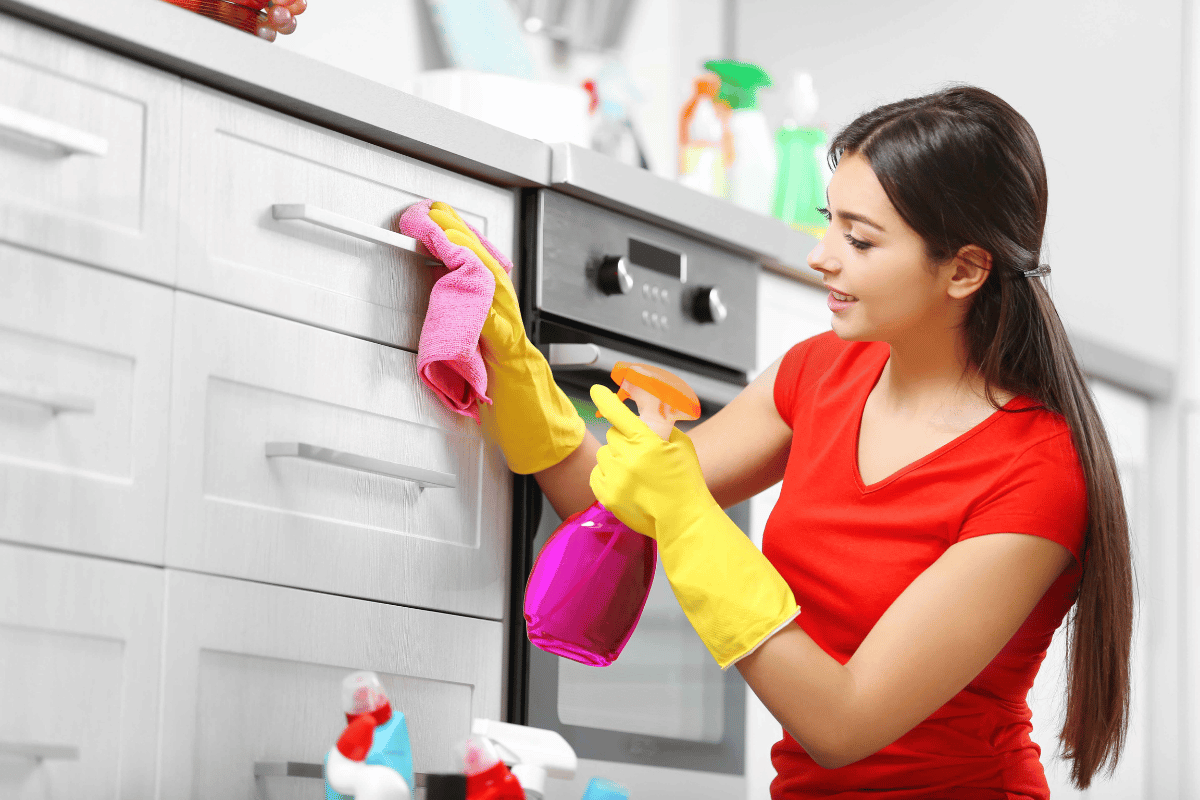
Credit: www.cabinetdoors.com

Credit: www.amazon.com
Frequently Asked Questions
What Is The Best Cleaner For Wooden Kitchen Cabinets?
A gentle, pH-balanced cleaner like diluted dish soap works best. Avoid harsh chemicals to protect the wood finish and maintain shine.
Can Homemade Solutions Effectively Clean Kitchen Cabinets?
Yes, a mix of vinegar and water can clean cabinets safely. It removes grease and grime without damaging most cabinet materials.
How Often Should Kitchen Cabinets Be Cleaned?
Clean cabinets weekly to prevent grease buildup. Deep clean monthly using a suitable cleaner to maintain appearance and hygiene.
Are Commercial Kitchen Cabinet Cleaners Safe For All Finishes?
Not always; some cleaners can harm delicate finishes. Always check product labels and test on a small area first to avoid damage.
Conclusion
Choosing a good cleaner for kitchen cabinets keeps them fresh and bright. Gentle, natural cleaners protect wood and finishes well. Avoid harsh chemicals that can damage the surface. Regular cleaning stops dirt and grease from building up. Simple ingredients like vinegar, soap, and water often work best.
Clean cabinets make your kitchen look neat and inviting. Remember, care and the right cleaner go hand in hand. Keep your kitchen cabinets looking their best with easy, safe cleaning.