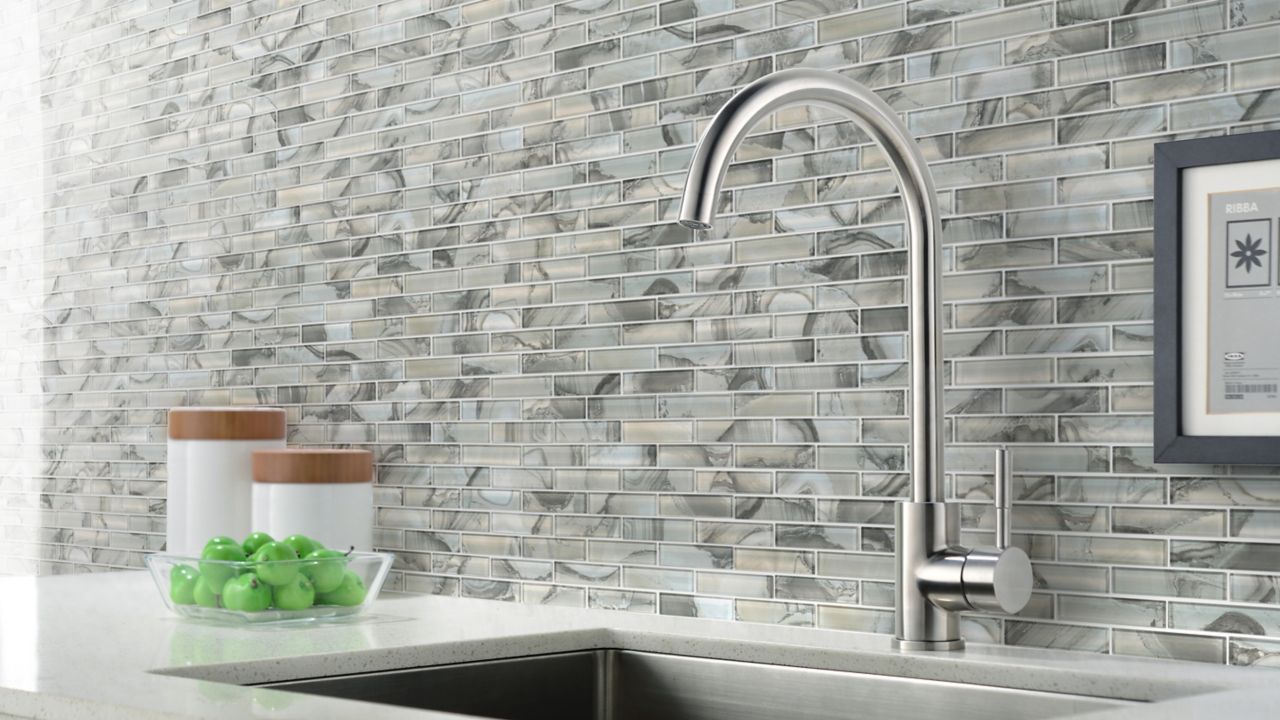
Have you ever wondered why your kitchen looks incomplete or why cleaning up after cooking feels like such a chore? The secret often lies in one small but powerful feature: the backsplash.
A backsplash for your kitchen is more than just a decorative panel behind your sink or stove—it protects your walls, adds style, and can even increase the value of your home. If you want to transform your kitchen into a space that’s both beautiful and functional, understanding what a backsplash is and how it works is the first step.
Keep reading to discover how this simple addition can make a big difference in your daily cooking experience.
Credit: kitchensbyoaks.com
Purpose Of Kitchen Backsplash
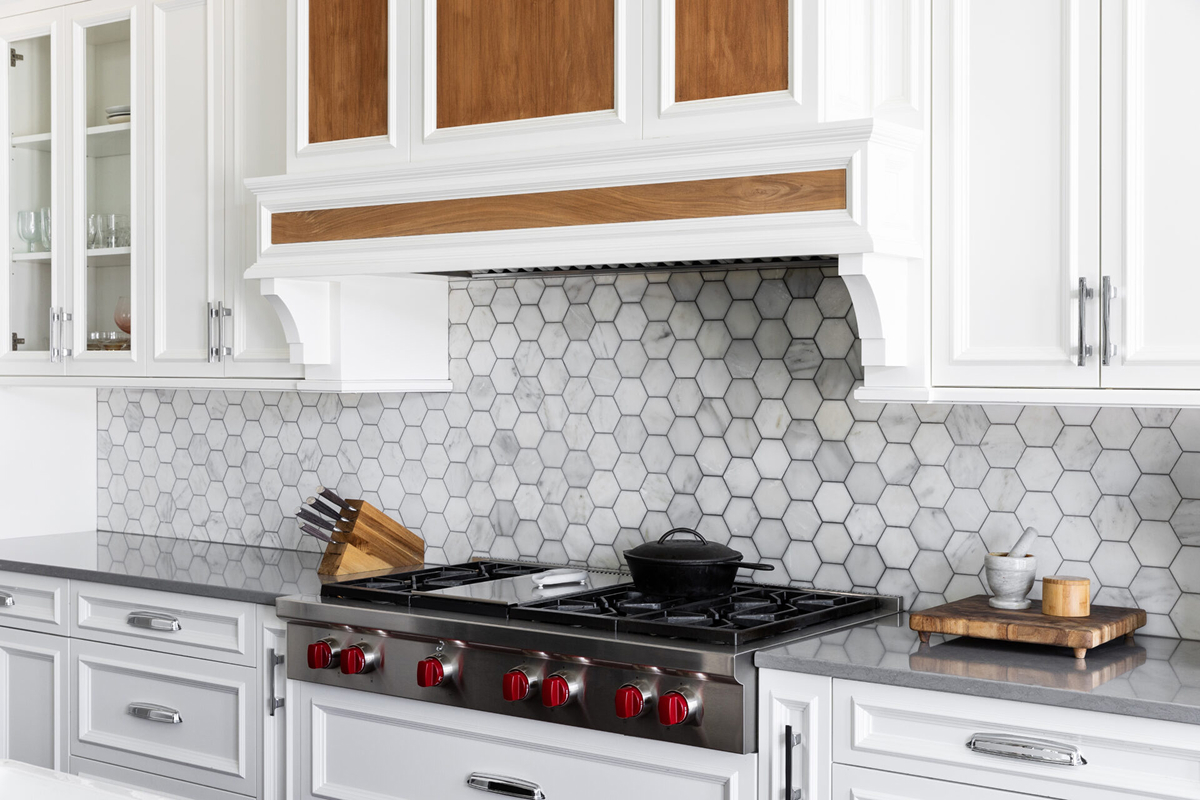
Kitchen backsplashprotects walls from water, grease, and food stains. It stops damage caused by splashes during cooking and washing. This keeps walls clean and in good shape for years.
It helps keep the kitchen more hygienic. Backsplashes are easy to wipe clean, stopping germs from building up on walls. This makes cooking areas safer and healthier for families.
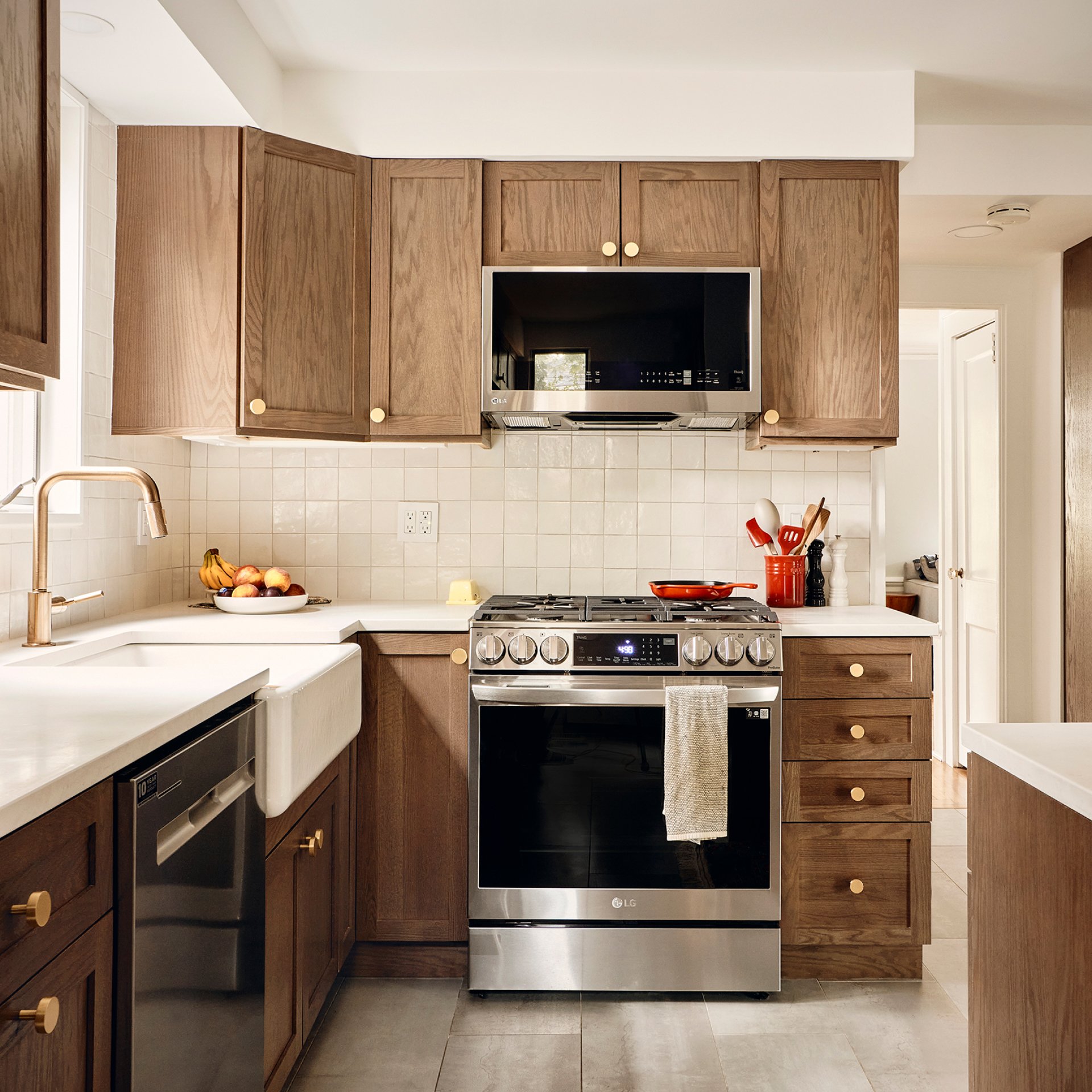
Besides function, backsplashes add styleand color to kitchens. They can brighten the space and match cabinets or countertops. This makes kitchens look more attractiveand inviting.
Credit: www.blockrenovation.com
Common Backsplash Materials
Ceramic and porcelain tilesare popular for their durability and easy cleaning. They come in many colors and patterns, making them a versatile choice for any kitchen style.
Glass panelsadd a sleek and shiny look. They reflect light well, making kitchens feel brighter and bigger. Glass is also easy to wipe clean.
Natural stone optionslike marble, granite, and slate provide a unique, earthy appearance. Each stone has different colors and textures. These require sealing to prevent stains.
Metal and stainless steelbacksplashes offer a modern, industrial feel. They are heat resistant and easy to clean, perfect for busy kitchens.
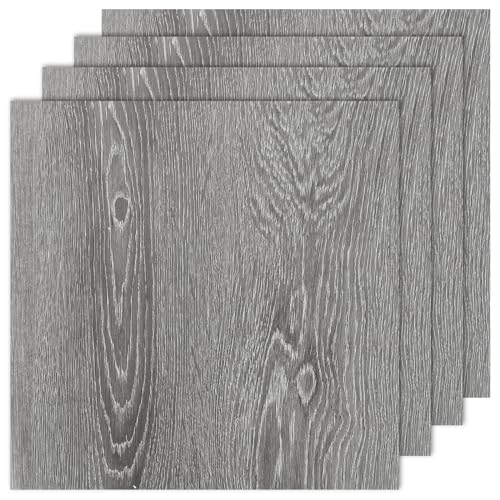
Peel-and-stick alternativesare great for quick updates. They are affordable and easy to install without tools. These come in various designs to mimic tiles or stones.
Popular Backsplash Designs
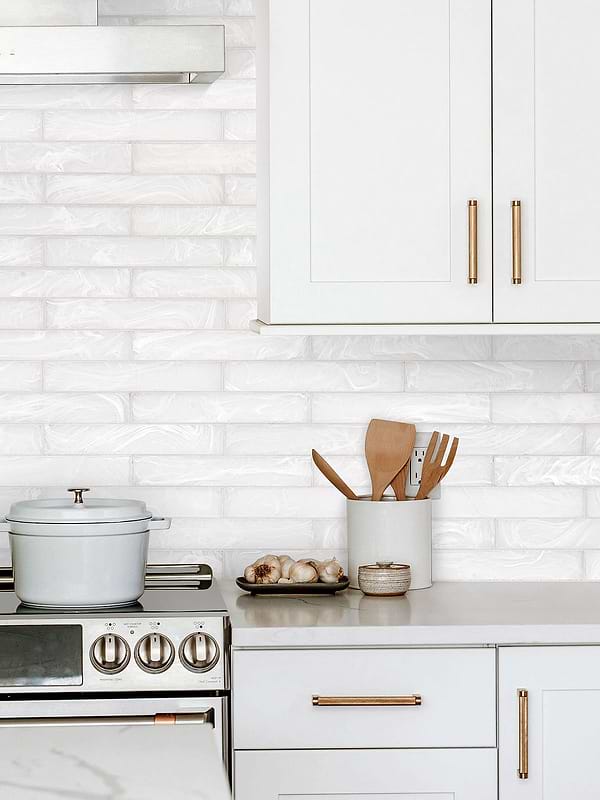
Classic subway tilesare simple and timeless. Their rectangular shape fits most kitchens well. They often come in white, making kitchens look clean and bright. Easy to install and clean, subway tiles suit many styles.
Mosaic patternsuse small pieces of tile in different colors. These create fun and detailed designs. They add a splash of art and personality to any kitchen wall.
Bold colors and texturesmake the backsplash stand out. Bright blues, reds, or greens catch the eye. Textured tiles add depth and interest to plain walls.
Minimalist and modern stylesuse smooth, plain tiles. Often in neutral colors like gray or beige. This look feels calm and neat, perfect for modern kitchens.
Installation Tips
Accurate measuring and planningare key for backsplash success. Measure the wall space carefully. Plan the design and tile layout before starting. Consider outlets and switches placement.
Surface preparation ensures strong adhesion. Clean the wall thoroughly. Remove grease, dust, or old paint. Make the surface smooth and dry for best results.
- Toolsneeded: tape measure, level, tile cutter, notched trowel.
- Adhesives: choose the right tile adhesive or mastic for your tile type.
- Use spacers for even gaps between tiles.
Choosing between DIYand professional helpdepends on skill level and time. DIY saves money but needs patience and precision. Professionals offer speed and perfect finishes but cost more.
Maintenance And Cleaning
Backsplash for the kitchen protects walls from spills and splatters. It adds style and is easy to clean. Regular maintenance ensures it stays in good condition and enhances the kitchen’s look.
Daily Cleaning Practices
Keep your kitchen backsplash clean every day. Use a soft cloth or sponge. Dampen it with warm water and a mild dish soap. Wipe the backsplash gently. Do not scrub too hard. This prevents damage. Rinse the cloth with clean water. Wipe again to remove soap. Dry with a clean towel.
Handling Stains And Grime
Remove stains quickly to keep your backsplash shiny. Use a baking soda paste for tough stains. Mix baking soda with water. Apply the paste to the stain. Let it sit for a few minutes. Wipe with a damp cloth. For greasy spots, use vinegar and water. Spray and wipe with a cloth.
Sealing And Repairs
Seal your backsplash to protect it. Check for any cracks or chips. Repair them immediately. Use a suitable sealant to fill gaps. This keeps water and dirt out. Check the sealant every few months. Reapply if needed. This ensures your backsplash lasts longer.
Cost Factors To Consider
Material pricesvary widely, affecting the total backsplash cost. Ceramic and vinyl tiles are usually the most affordable. Natural stone, glass, and metal options tend to be pricier. The choice depends on style and budget.
Labor costsdepend on complexity and location. Simple installations are cheaper, while custom designs cost more. Hiring experienced professionals ensures quality work but might increase expenses.
| Cost Factor | Typical Price Range | Notes |
|---|---|---|
| Material Prices | $5 – $50 per sq. ft. | Depends on type and quality |
| Labor Costs | $40 – $100 per hour | Varies by complexity and location |
| Long-Term Value | Varies | Durability and maintenance affect value |
Long-term valuecomes from durability and ease of cleaning. Some materials last longer and stay beautiful with less care. Investing in quality can save money over time.
Trends In Kitchen Backsplashes
Eco-friendly materialsare gaining popularity for kitchen backsplashes. Bamboo, recycled glass, and cork are common choices. They are good for the planet and look nice. These materials also resist stains and heat well. People like them for both style and function.
Smart backsplash technologiesadd convenience and safety. Some have built-in LED lights to brighten your cooking space. Others have touch controls for fans or timers. These features make cooking easier and kitchens more modern.
Mixing textures and materialscreates unique kitchen backsplashes. Combining smooth tiles with rough stone or metal adds depth. This trend allows for personal style and creativity. It also makes kitchens more interesting and lively.
Credit: www.backsplash.com
Frequently Asked Questions
What Is A Kitchen Backsplash Used For?
A kitchen backsplash protects walls from water, grease, and stains. It also adds style and makes cleaning easier. Backsplashes are essential for both function and decor in kitchens.
What Materials Are Best For Kitchen Backsplashes?
Popular materials include ceramic tiles, glass, stainless steel, and natural stone. Each offers durability, easy cleaning, and style variety. Choose based on budget, design, and maintenance needs.
How Does A Backsplash Improve Kitchen Design?
A backsplash adds color, texture, and visual interest to your kitchen. It ties together cabinets, countertops, and appliances. This enhances overall aesthetics and creates a polished look.
Can I Install A Backsplash Myself?
Yes, DIY backsplash installation is possible with proper tools and prep. Simple tile backsplashes are easiest for beginners. However, complex designs may require professional help for best results.
Conclusion
A kitchen backsplash protects walls from water and stains. It also adds style and color to your space. Choosing the right material helps keep your kitchen clean. Simple designs can fit any kitchen look. Installing a backsplash is an easy way to update your room.
It makes cooking and cleaning more enjoyable. Consider your needs and taste when picking a backsplash. Small changes can bring big improvements. A backsplash is both useful and beautiful in any kitchen.