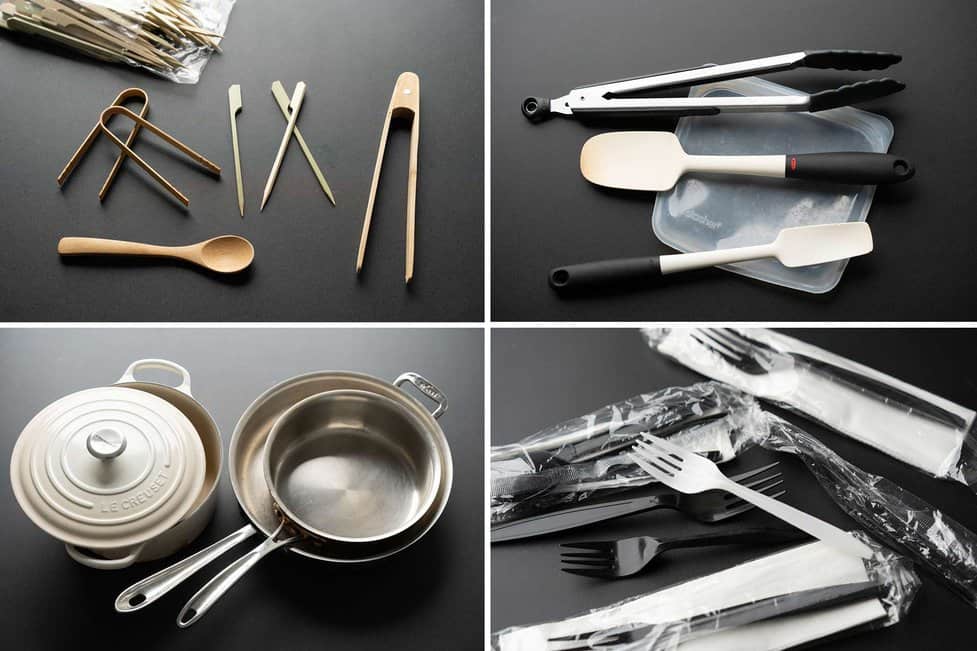
When it comes to cooking, your kitchen utensils play a bigger role than you might think. The right tools not only make your job easier but also keep your food safe and healthy.
But how do you know which utensils are truly safe for you and your family? If you’ve ever wondered about the materials, coatings, or brands that won’t harm your meals—or you—this article is for you. Keep reading, and you’ll discover simple, smart choices that protect your health every time you cook.
Materials For Safe Utensils
Stainless steelis strong and does not rust easily. It does not react with food, making it safe for cooking. This material is easy to clean and lasts a long time. Many chefs prefer stainless steel for its durability and safety.
Siliconeutensils can handle high heat without melting. They are soft and do not scratch pots or pans. Silicone is also easy to wash and does not hold food smells or stains.
Wooden utensilsare natural and gentle on cookware. They do not melt or release harmful chemicals. Wood can last for years if cleaned and dried well after use.
Bamboois a green choice for kitchen tools. It grows fast and is very strong. Bamboo utensils are light and do not absorb water easily, making them more resistant to bacteria.
:max_bytes(150000):strip_icc()/faw-our-place-utensil-essentials-6-piece-set-priyanka-shahane-05-601ab05ccd9e4517ade97659063f55c5.jpeg "What is the Safest Kitchen Utensils 1")
Credit: www.foodandwine.com
Avoiding Harmful Materials
Plastic utensilsmay release harmful chemicals when heated. These chemicals can mix with food and cause health issues. Not all plastics are safe for cooking, so checking labels is important. Avoid using plastic utensils on hot pans or in the microwave.
Teflon coatingscan peel off when scratched or overheated. This peeling releases toxic fumes that may harm the lungs. Using metal tools on Teflon pans can damage the surface, increasing risks. Choose utensils that are gentle and safe for non-stick cookware.
Aluminum utensilscan react with acidic foods like tomatoes or vinegar. This reaction may change the taste and color of food. Some studies suggest aluminum exposure might affect health over time. Consider using alternatives like stainless steel or wood for safer cooking.
Heat Resistance And Durability
High-temperature toleranceis key for safe kitchen utensils. Materials like silicone and stainless steel can handle heat up to 450°F and beyond. Plastic utensils often melt or release toxins when overheated. Wood can burn but resists moderate heat well.
Longevitydepends on material quality and use. Stainless steel lasts many years without rusting or bending. Silicone remains flexible and heat-resistant for a long time. Wooden utensils may crack or wear out faster but can be treated to last longer. Cheap plastics usually degrade quickly and can be unsafe.
| Material | Heat Resistance | Durability |
|---|---|---|
| Stainless Steel | Very High (up to 600°F) | Very Durable, Rust-Resistant |
| Silicone | High (up to 450°F) | Flexible and Long-Lasting |
| Wood | Moderate | Can Crack, Needs Care |
| Plastic | Low (melts easily) | Short Lifespan |

Credit: www.amazon.ca
Non-toxic And Food-safe Standards
Choosing the safest kitchen utensils ensures food safety and health. Opt for utensils made from stainless steel, silicone, or bamboo. These materials meet non-toxic and food-safe standards, providing peace of mind while cooking.
Certifications To Look For
Choosing kitchen utensils with trusted certificationsensures safety and quality. Some key certifications to check:
- FDA Approved:Means safe for food contact in the USA.
- LFGB Certified:German standard for food safety.
- BPA-Free:No harmful chemicals in plastic utensils.
- NSF Certified:Meets strict public health standards.
Chemical-free Manufacturing
Utensils made without toxic chemicalsprotect your health. Look for products labeled as:
- Phthalate-freeand lead-free
- Made from natural materialslike wood or silicone
- Produced using non-toxic dyesand coatings
These choices reduce risk of harmful chemical exposure during cooking.
Ease Of Cleaning And Maintenance
Choosing kitchen utensils that are dishwasher safehelps save time and effort. Materials like stainless steel, silicone, and certain plastics clean well in dishwashers. This reduces the chance of leftover food and germs.
Proper cleaning is key to preventing bacterial growth. Smooth surfaces without cracks or crevices are easier to clean thoroughly. Avoid materials that absorb water or stain easily, as they can harbor bacteria.
- Stainless steel: durable and dishwasher safe
- Silicone: flexible, heat resistant, and easy to clean
- Plastic (BPA-free): lightweight and dishwasher safe
- Wooden utensils: avoid dishwasher; wash by hand and dry well
Eco-friendly Kitchen Utensils
Safe kitchen utensils are made from natural, non-toxic materials like bamboo, stainless steel, and silicone. These options avoid harmful chemicals and last longer, making cooking healthier and eco-friendly. Choosing utensils without plastic helps protect both your food and the environment.
Sustainable Material Choices
Wooden spoons are great for cooking. They don’t scratch pans. Bamboo is also a good choice. It grows back quickly. Stainless steel utensils last a long time. They don’t rust easily. Glass and ceramic are safe for baking. They don’t add chemicals to food. Silicone spatulas can handle heat well. They are flexible and durable.Reducing Plastic Waste
Plastic utensils harm the planet. Choose reusable options instead. Metal straws can replace plastic ones. Cloth napkins are better than paper. Use glass containers for food storage. They last longer than plastic. Bring your own bags when shopping. It helps reduce waste. Compostable utensils break down naturally. They are better for the earth. `Recommended Safe Utensil Brands
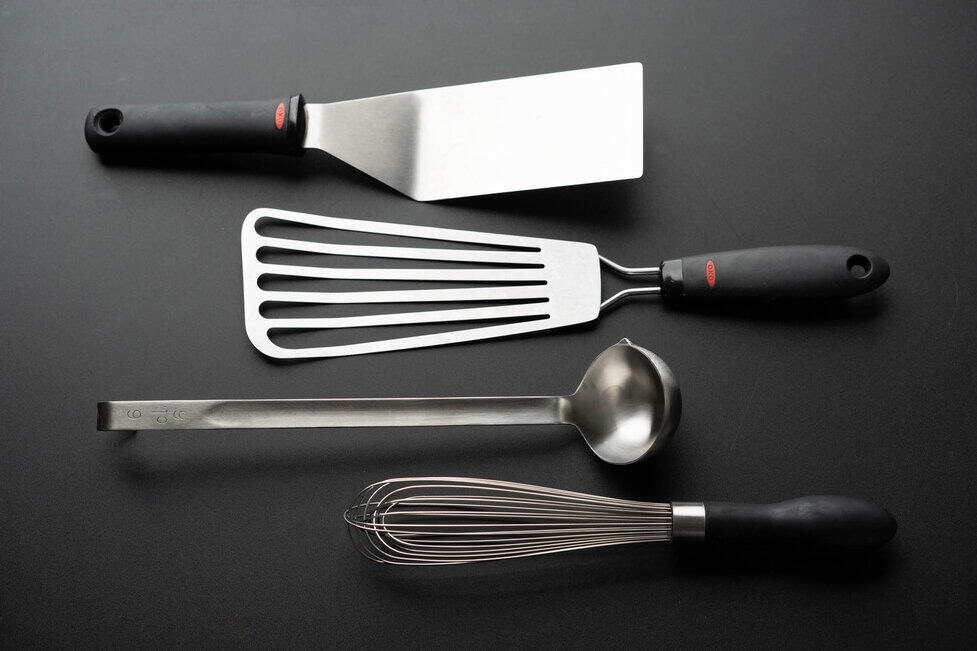
- OXO Good Grips:Known for ergonomic design and BPA-free materials.
- Le Creuset:Durable silicone tools safe for nonstick pans.
- KitchenAid:Offers stainless steel and silicone options that resist heat well.
- Joseph Joseph:Stylish, safe, and made with food-grade silicone.
- All-Clad:High-quality stainless steel that lasts long and is easy to clean.
These brands use non-toxic materialsthat avoid harmful chemicals. Their products are heat-resistantand safe for all cookware types. Choosing from these ensures safety and durability in your kitchen.
Credit: www.hungryhuy.com
Frequently Asked Questions
What Materials Are Safest For Kitchen Utensils?
Safe kitchen utensils are typically made from stainless steel, silicone, bamboo, and wood. These materials resist chemicals and heat. They do not leach harmful substances into food, making them ideal for cooking and serving.
Are Silicone Utensils Safe For Cooking?
Yes, silicone utensils are safe for cooking. They withstand high heat without melting or releasing toxins. Silicone is non-stick and easy to clean, making it a popular choice for safe kitchen tools.
Why Avoid Plastic Kitchen Utensils?
Plastic utensils can release harmful chemicals when heated. Some plastics contain BPA or phthalates, which may affect health. It’s safer to choose alternatives like silicone or wood for cooking and serving.
Can Wooden Utensils Be Hygienic In The Kitchen?
Yes, wooden utensils are hygienic when properly maintained. They resist heat and do not react with food. Regular cleaning and drying prevent bacteria growth, making them safe for daily kitchen use.
Conclusion
Choosing safe kitchen utensils protects your health and improves cooking. Materials like silicone, stainless steel, and bamboo are good options. Avoid plastics that may release harmful chemicals when heated. Clean utensils well to keep germs away. Safe tools last longer and feel better to use.
Think about safety before buying new kitchen items. Small changes make a big difference in your daily cooking. Stay mindful and enjoy a safer kitchen every day.