Are you sure the kitchen utensils you use every day are safe for you and your family? Many common tools can release harmful chemicals into your food without you even realizing it.
Choosing non-toxic kitchen utensils is an easy way to protect your health and enjoy cooking with peace of mind. You’ll discover which utensils are truly safe, what materials to avoid, and simple tips to make your kitchen a healthier place.
Keep reading—your body will thank you.
Credit: www.hungryhuy.com
Common Toxic Materials In Kitchen Utensils
Plastic kitchen utensilsoften contain harmful chemicals like BPA. These can leak into food, especially when heated. Such chemicals may affect health negatively over time. Choosing BPA-free plastics is safer but not always risk-free.
Non-stick coatings can release toxic fumes if overheated. These fumes may cause flu-like symptoms in some people. Scratched or damaged pans increase risk of exposure to harmful substances. Using non-stick pans carefully is important.
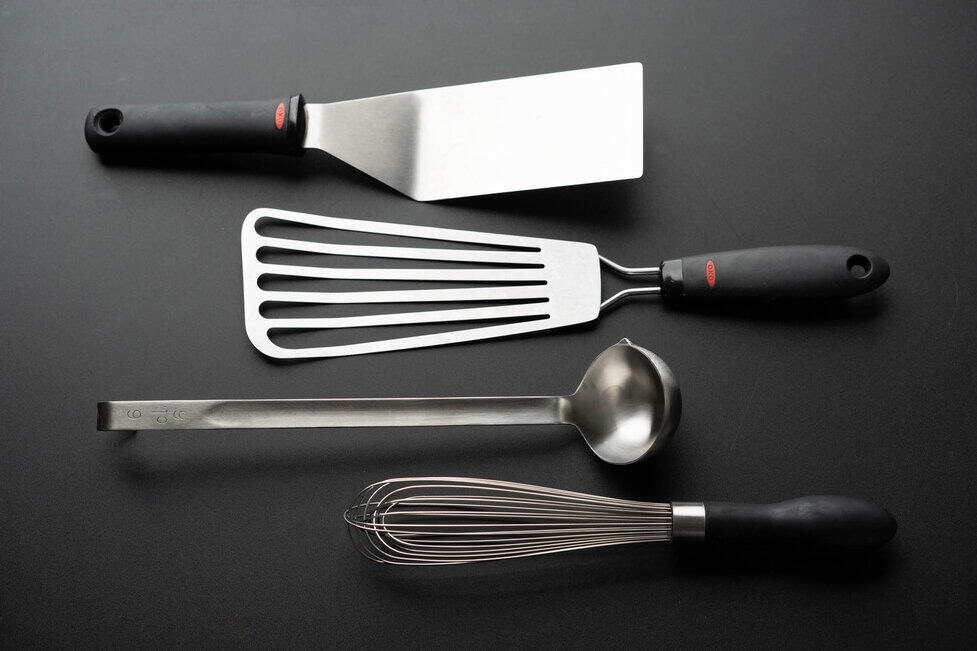
Metal utensils can leach metals such as aluminum or nickel into food. Acidic foods increase this leaching. Long-term exposure to these metals may cause health issues. Stainless steel is a better choice for durability and safety.
Credit: www.ourwestnest.com
Safe Materials For Kitchen Utensils
Stainless steelis very durable and does not react with food. It resists rust and stains, making it safefor cooking. It also does not release harmful chemicals, so it keeps food healthy.
Siliconeutensils are soft and flexible, good for non-stick pans. They do not melt easily and are heat resistant. Silicone is free from harmful chemicals like BPA, so it is safefor food use.
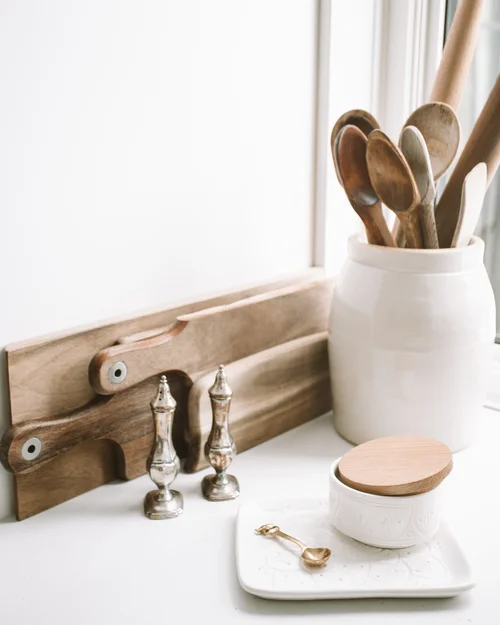
Woodenutensils are natural and do not release toxins. They are gentle on cookware and last long. Wood can absorb water, so it needs proper care to avoid bacteria growth.
Glassand ceramicutensils do not react with food and are very safe. They are easy to clean and do not hold odors. These materials are perfect for baking and serving.
Identifying Non-toxic Utensils
Look for certificationsthat prove safety. These include FDA approval, BPA-free labels, and LFGB certification. Such marks show utensils don’t release harmful chemicals.
Check for labels and symbolson packaging. Common signs are food-safe icons, recycling codeslike 1, 2, 4, or 5. Avoid plastics marked 3, 6, or 7, as they may contain toxins.
Choose trusted brandsknown for safe kitchen products. Brands with good reviews and clear ingredient lists are safer. They often follow strict safety rules and testing.
Credit: www.hungryhuy.com
Maintaining Non-toxic Utensils
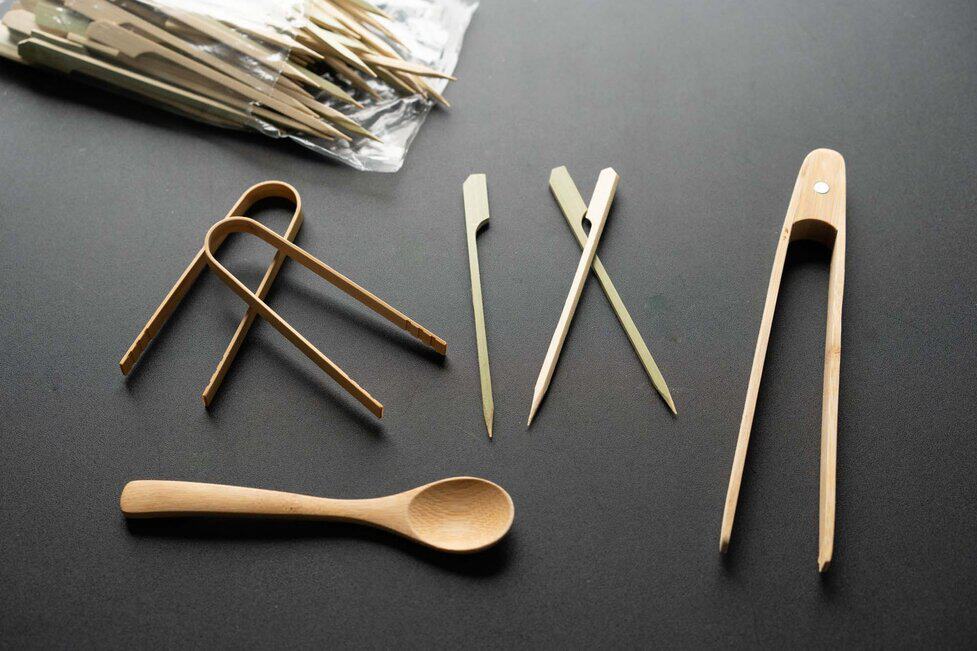
Proper cleaningkeeps utensils safe and non-toxic. Use warm water and mild soap to wash them. Avoid harsh chemicals that can wear down materials. Hand wash wooden and bamboo tools to stop cracking. Rinse well to remove soap residue.
Avoid damageby not using metal scrubbers on non-stick or wooden surfaces. Do not soak wooden utensils for long periods; this can cause warping. Store utensils in dry places to prevent mold and bacteria growth.
When to replaceutensils show signs of cracks, chips, or deep scratches. These spots can harbor bacteria or toxins. Replace any tool that smells bad or changes color. Regular checks help keep your kitchen safe and healthy.
Health And Environmental Impact
Using non-toxic kitchen utensilshelps keep your food safe and healthy. These utensils do not release harmful chemicals when heated or used. They reduce the chance of chemical exposurein your meals.
Choosing eco-friendly utensilssupports the environment. These items are often made from natural or recycled materials that break down easily. They help reduce waste and pollution.
- Made from natural materialslike wood, bamboo, or stainless steel
- Free from harmful chemicalssuch as BPA, lead, or phthalates
- Durable and long-lasting, reducing the need for frequent replacement
- Safe for use with all types of food and heat levels
- Help lower your carbon footprint by choosing sustainable options
Frequently Asked Questions
What Materials Are Used For Non-toxic Kitchen Utensils?
Non-toxic utensils are often made from silicone, stainless steel, bamboo, and wood. These materials don’t leach harmful chemicals into food. They are durable, safe for cooking, and eco-friendly options preferred by health-conscious users.
Are Silicone Kitchen Utensils Truly Non-toxic?
Yes, high-quality silicone utensils are non-toxic. They are BPA-free, heat-resistant, and don’t release harmful chemicals. Always choose FDA-approved silicone to ensure safety and avoid cheaper, unsafe versions that may contain fillers.
Can Wooden Utensils Be Considered Non-toxic?
Wooden utensils are generally non-toxic if untreated. They don’t react with food or heat. Avoid utensils with chemical coatings or finishes to ensure they remain safe and free from toxins during cooking.
Why Avoid Plastic Kitchen Utensils For Health Reasons?
Plastic utensils can contain BPA and phthalates, which may leach into food. Heat and wear increase this risk. Choosing non-toxic alternatives like silicone or wood reduces exposure to harmful chemicals.
Conclusion
Choosing non-toxic kitchen utensils keeps your food safe and healthy. Materials like stainless steel, silicone, and wood are great choices. Avoid plastics with harmful chemicals to reduce health risks. Simple swaps can make a big difference in your daily cooking.
Safe utensils help protect your family from toxins. Small changes in the kitchen lead to better long-term health. Remember, clean and safe tools make cooking more enjoyable. Keep your kitchen toxin-free for peace of mind.