Your kitchen sink drain is one of the busiest spots in your home. Over time, it can get clogged, smelly, and slow to drain.
You might wonder, “How do I clean my kitchen sink drain quickly and effectively? ” The good news is, you don’t need expensive tools or harsh chemicals to fix it. You’ll discover simple, practical steps to clear your drain and keep it fresh.
Keep reading, and you’ll be able to tackle this common problem with confidence and ease.
Credit: www.rd.com
Common Causes Of Sink Drain Clogs
Food particles and greaseoften clog kitchen sink drains. Small bits of food get stuck in the drain pipes. Grease, oil, and fat cool down and harden, blocking water flow.
Hair and soap scumcan also cause blockages. Hair strands stick together and mix with soap residue. This creates a sticky mass that slows draining.
Mineral builduphappens in areas with hard water. Minerals like calcium and magnesium settle inside pipes. Over time, this buildup narrows the drain, causing slow drainage.
Credit: www.rd.com
Tools And Materials Needed
Gather white vinegar, baking soda, and a kettle for boiling water. Use a scrub brush and a microfiber cloth for cleaning. A funnel may also be helpful to pour ingredients down the drain smoothly.
Basic Cleaning Supplies
- Sponge or scrub brushfor scrubbing dirt.
- Bucketto catch water or debris.
- Rubber glovesto protect your hands.
- Old toothbrushto clean small areas.
- Plungerto clear minor blockages.
Natural Cleaning Agents
- Baking sodato break down grime.
- White vinegarfor deodorizing and dissolving buildup.
- Lemon juiceto freshen and remove stains.
- Hot waterto flush out loosened debris.
Chemical Cleaners
| Type | Purpose | Notes |
|---|---|---|
| Drain cleaner | Clears tough clogs | Use carefully, follow instructions |
| Disinfectant spray | Kills germs and bacteria | Safe for kitchen use |
| Degreaser | Removes grease buildup | Choose kitchen-safe options |
Step-by-step Cleaning Process
Start by removing any visible debrisfrom the sink drain. Use gloves to take out food bits or hair that block the drain. This helps the water flow better.
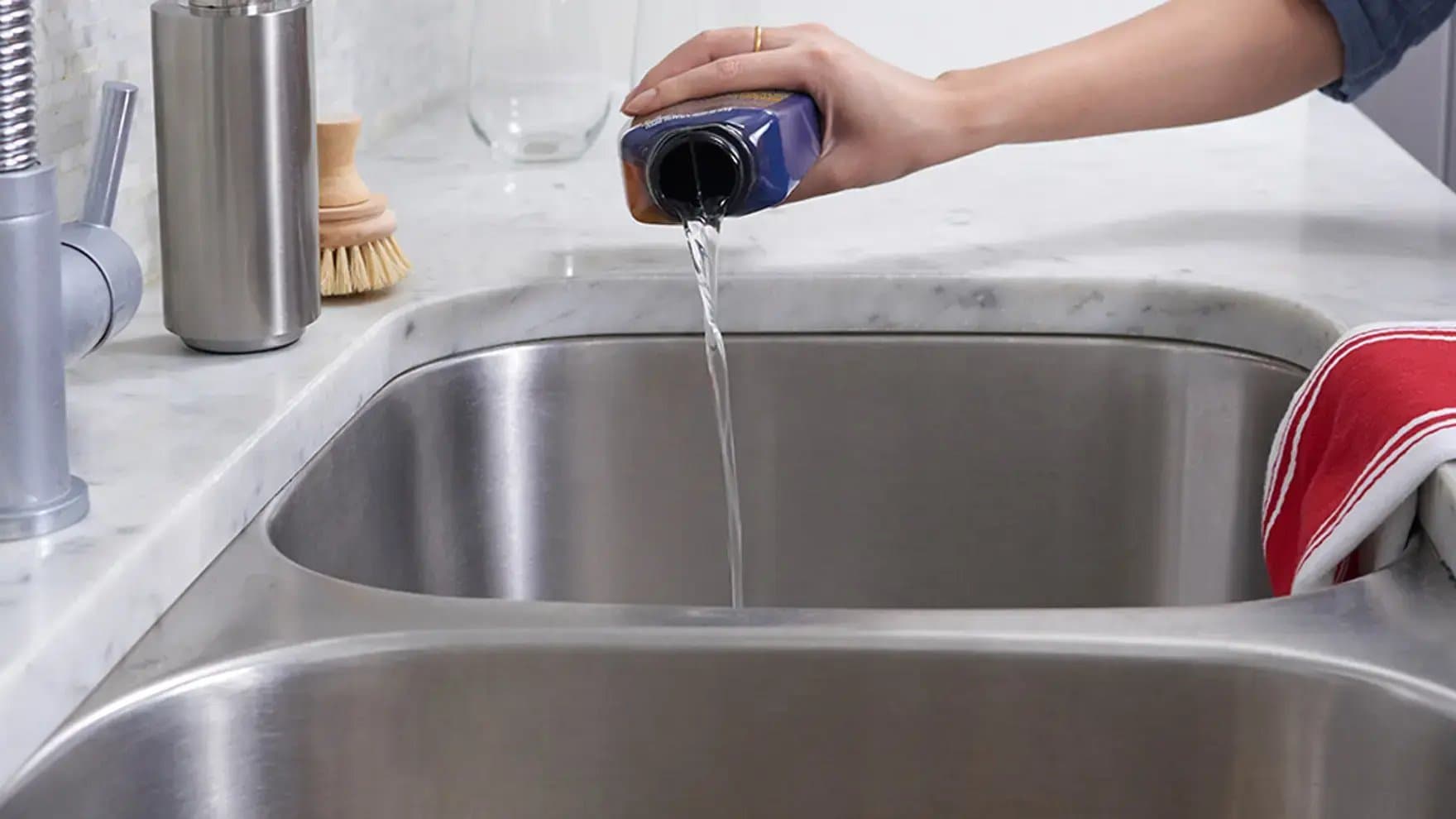
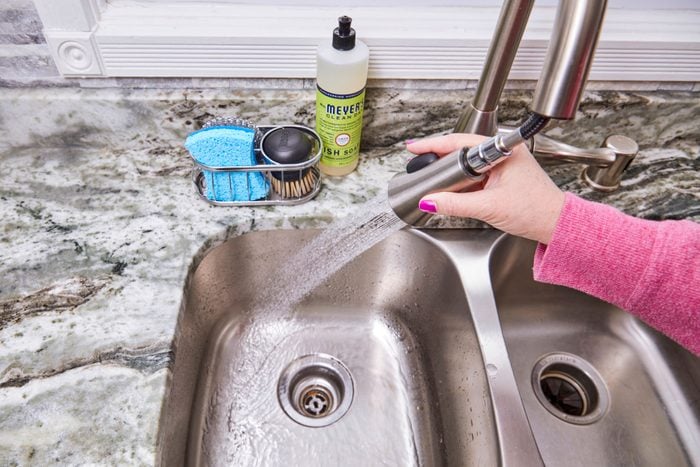
Next, flush the drain with hot water. Hot water helps to melt grease and clear minor clogs. Pour it slowly to avoid splashing.
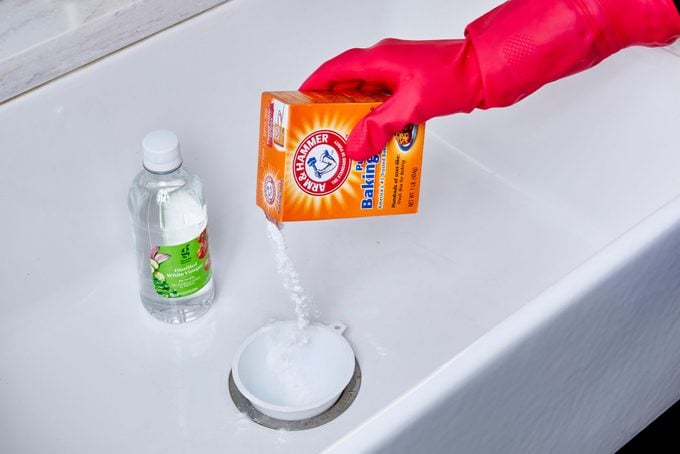
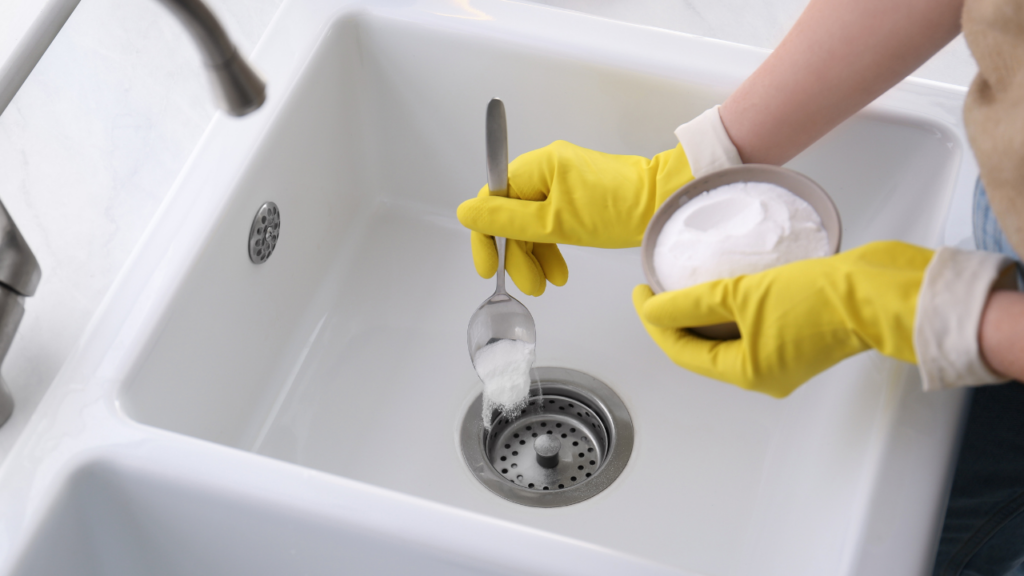
Pour baking sodainto the drain, followed by vinegar. The mix will fizz and help break down grime. Let it sit for about 10 minutes.
Use a small brush or old toothbrush to scrub the drain. Focus on the edges and inside where dirt builds up. This helps remove stuck grime.
Finally, rinse everything with plenty of hot water. This washes away loosened debris and cleaning agents. Your drain will smell fresh and work well.
Dealing With Stubborn Clogs
Using a plunger can help clear many kitchen sink clogs. Make sure to cover the drain fully with the plunger cup. Push down and pull up quickly several times to create pressure. This often loosens stuck debris.
A drain snake is a flexible tool that reaches deep inside pipes. Insert it gently into the drain and twist to catch blockages. Slowly pull out the snake along with trapped waste. This works well for tough clogs beyond the sink trap.
Chemical cleaners can dissolve clogs but should be used carefully. Follow the instructions on the label exactly. Avoid mixing different chemicals to prevent harmful reactions. Use these cleaners only if plunging and snaking do not work.
Preventing Future Drain Issues
Regular cleaning helps keep your sink drain clear and working well. Pour hot water down the drain once a week. This melts grease and moves small clogs. Avoid pouring oil or food scraps into the drain. These cause blockages and bad smells.
- Never pour cooking grease or fat down the drain.
- Use a strainer to catch food and debris.
- Empty the strainer after each use.
- Flush the drain with hot water weekly.
- Use mild drain cleaners occasionally to clear buildup.
Drain strainers stop food and hair from going down the drain. They are cheap and easy to install. This small step saves big cleaning problems later.
When To Call A Professional
Serious blockageoften causes water to drain very slowly or not at all. Bad smells coming from the sink can also signal trouble. If water pools or backs up, it is a clear sign that the blockage needs expert help. Attempting to fix deep clogs without the right tools can cause damage to pipes or fixtures.
To avoid damage, do not use harsh chemicals too often. Pipes can corrode and leaks might form. Avoid forcing tools like drain snakes too hard, as this may break pipes. Professional plumbers have the right tools and knowledge to clean drains safely and fully.
Credit: www.jdservicenow.com
Frequently Asked Questions
How Often Should I Clean My Kitchen Sink Drain?
You should clean your kitchen sink drain every one to two weeks. Regular cleaning prevents clogs and bad odors. It keeps the drain flowing smoothly and reduces bacterial buildup.
What Household Items Can Clean A Kitchen Sink Drain?
Baking soda and vinegar are effective for cleaning kitchen sink drains. Pour half a cup of baking soda, then half a cup of vinegar. Let it fizz for 15 minutes, then flush with hot water.
Can I Use Bleach To Clean My Kitchen Sink Drain?
Bleach can clean kitchen sink drains but should be used sparingly. It kills bacteria but may damage pipes if overused. Always dilute bleach with water and rinse thoroughly afterward.
How Do I Remove Bad Odors From My Kitchen Sink Drain?
To remove bad odors, pour baking soda followed by vinegar down the drain. Let it sit for 15 minutes, then flush with hot water. This natural method neutralizes odors and cleans residue effectively.
Conclusion
Cleaning your kitchen sink drain keeps it fresh and clog-free. Use simple tools and natural cleaners for best results. Regular care stops bad smells and slow drainage. A clean drain makes your kitchen safer and more pleasant. Small efforts today save big problems tomorrow.
Keep your sink drain clean to enjoy a tidy home. Easy steps can make a big difference every time. Remember, a clean drain means a happy kitchen!