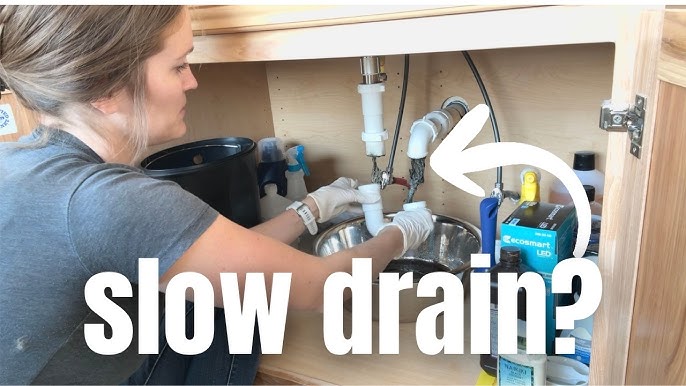
Is your kitchen sink draining slower than it should? A slow-draining sink can be frustrating and messy, disrupting your daily routine.
But don’t worry—you don’t have to call a plumber right away. You can fix this common problem yourself with simple steps that save you time and money. Keep reading to discover easy, effective ways to get your kitchen sink draining smoothly again.
Your kitchen will thank you!

Credit: www.drano.com
Common Causes Of Slow Drains
Clogged pipesoften cause slow drains. Dirt and debris get stuck inside pipes, blocking water flow. This can happen over time if pipes are not cleaned regularly.
Grease buildupis another common cause. Grease from cooking cools and hardens in pipes. This creates a sticky layer that traps food bits and slows drainage.
Food debriscan clog the drain. Small pieces of food go down the sink and get caught in the drain or trap. This stops water from moving freely.
Ventilation issuesaffect drainage speed. Pipes need air to let water flow smoothly. Blocked or broken vents cause slow draining because air cannot enter the pipes properly.
Tools And Materials Needed
Gathering the right toolshelps fix a slow draining kitchen sink faster. Basic plumbing toolsinclude a plunger, pipe wrench, and plumber’s snake. These tools help clear clogs and tighten pipes.
Cleaning supplieslike a bucket, scrub brush, and old towels are useful. They keep the area clean and dry during repairs.
Chemical drain cleaners can dissolve tough blockages but use them with care. Follow the instructions and never mix different chemicals.
Wear safety gearsuch as gloves and eye protection. This protects from harmful chemicals and sharp tools.
Step-by-step Fixes
Boiling waterhelps clear grease and soap buildup. Slowly pour boiling water down the drain in stages. This can break up small clogs and improve flow.
A plungercan push blockages out. Cover the sink drain with a wet plunger cup. Pump up and down several times to loosen debris.
Remove and clean the P-trap. Place a bucket underneath, unscrew the trap, and clear out trapped food or grease. Reassemble tightly to prevent leaks.
A drain snakereaches deep blockages. Insert it into the drain and twist to catch hair and gunk. Pull it out slowly to remove the clog.
Chemical cleaners work on stubborn blockages. Use a small amount following package instructions. Avoid mixing different chemicals to prevent damage or fumes.
Preventing Future Clogs
Proper waste disposal helps keep drains clear. Avoid tossing large food scraps into the sink. Use a trash bin for items like coffee grounds and eggshells. Regular maintenance keeps pipes flowing smoothly. Flush drains monthly with hot water and baking soda. Avoid pouring grease down the drain as it hardens and blocks pipes. Let grease cool, then throw it in the trash. Installing drain screens catches hair and food bits before they enter pipes. Clean screens often to prevent buildup and clogs.
When To Call A Professional
Persistent drain issuesthat do not improve after cleaning need expert help. A professional plumber has tools to clear tough clogs and check hidden pipes. This saves time and prevents damage.
Complex plumbing problemslike strange noises or bad smells suggest deeper issues. Professionals can spot leaks, blockages, or broken parts inside walls or under floors. These problems often need special repairs.
Pipe damage signsinclude cracks, rust, or water stains below the sink. Damaged pipes can cause leaks or flooding. A plumber can replace or fix pipes safely and stop water waste.
- Slow or no drainage after multiple attempts
- Unusual sounds or odors from the drain
- Visible pipe cracks or leaks under the sink
- Water pooling or stains near plumbing
- Repeated clogging in short time

Credit: www.youtube.com

Credit: www.reddit.com
Frequently Asked Questions
Why Is My Kitchen Sink Draining Slowly?
Slow draining often results from clogged pipes or trapped debris. Food particles, grease buildup, or soap scum block water flow. Regular cleaning and avoiding pouring grease down the drain help prevent slow drainage.
How Can I Unclog A Slow Draining Kitchen Sink?
Use a plunger or a drain snake to remove blockages. Pour baking soda and vinegar followed by hot water to clear minor clogs naturally. Avoid harsh chemicals that may damage pipes.
Can A Garbage Disposal Cause Slow Draining?
Yes, a clogged or malfunctioning garbage disposal can slow drainage. Food waste buildup inside the disposal or pipes restricts water flow. Regular cleaning and proper use can prevent issues.
When Should I Call A Plumber For Slow Drainage?
Call a plumber if clogs persist after DIY methods or if multiple drains are affected. Persistent slow drainage may indicate deeper pipe issues needing professional inspection and repair.
Conclusion
Slow draining kitchen sinks cause frustration and mess. Clear clogs using simple tools like a plunger or drain snake. Avoid pouring grease and food scraps down the drain. Regular cleaning helps prevent buildup and keeps water flowing. Small fixes save time and money on costly repairs.
Stay patient and follow steps carefully for best results. A smooth draining sink makes kitchen work easier and more pleasant. Keep these tips in mind to maintain your sink’s flow.