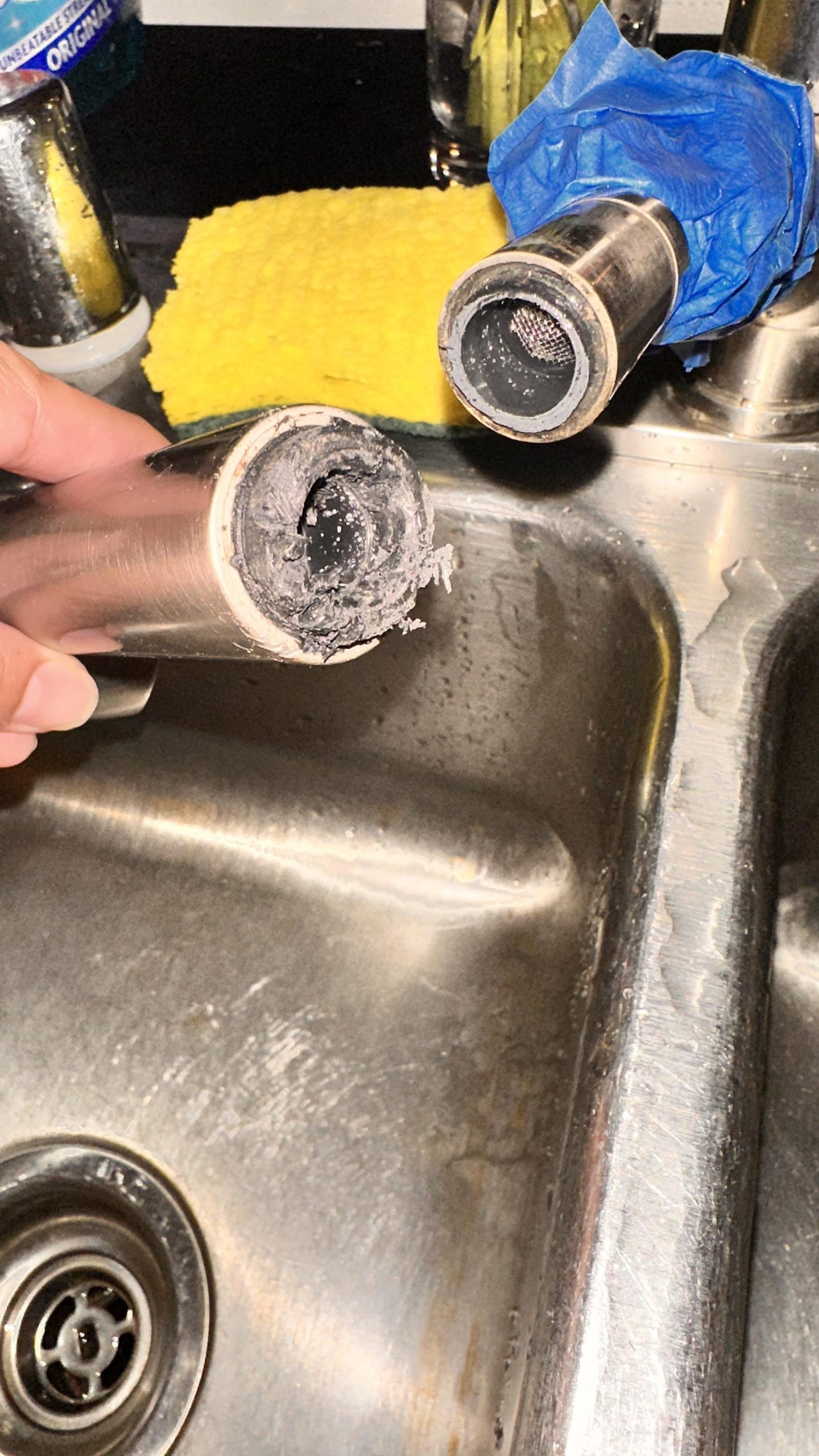
Is your kitchen sink sprayer not working like it used to? Maybe it’s leaking, spraying unevenly, or won’t spray at all.
You don’t have to live with that annoying drip or weak water flow. Fixing your sprayer can be easier than you think, and once it’s working perfectly again, your kitchen tasks will be smoother and faster. In this guide, you’ll find simple, step-by-step tips that anyone can follow to get your sprayer back in action.
Keep reading—you’ll be surprised how quickly you can solve this common problem and avoid costly repairs.
Credit: www.youtube.com
Identify Common Sprayer Issues
Leaks and dripsoften come from worn-out washers or loose connections. Tightening the hose or replacing the washer usually stops the leak. Check the hose for cracks or holes that cause drips.
Low water pressurecan happen due to clogged spray holes or a blocked hose. Cleaning the spray head with vinegar helps remove buildup. Also, make sure the water valve is fully open for good flow.
Sprayer not retractingmight be caused by a stuck or tangled hose. Gently pull the hose straight to free it. The spring mechanism inside the faucet could be broken and might need replacement.

Credit: www.reddit.com
Gather Necessary Tools And Materials
Basic plumbing tools are essential for fixing the sprayer on a kitchen sink. These include:
- Adjustable wrenchto loosen or tighten nuts and bolts.
- Screwdriver setfor removing screws on the sprayer or hose.
- Plumber’s tapeto seal threaded joints and prevent leaks.
- Pliersto grip and twist parts securely.
Replacement parts may be needed to fix the sprayer properly:
- New sprayer headif the old one is cracked or clogged.
- Replacement hosefor leaks or damage inside the hose.
- O-rings or washersto stop leaks around connections.
Safety equipment helps protect you during the repair:
- Glovesto keep hands clean and safe from sharp edges.
- Safety glassesto protect eyes from splashes or debris.
- Towelsto wipe up water spills quickly.
Turn Off Water Supply
Locate the shutoff valvesunder the sink. These valves control water flow to the sprayer. Turn each valve clockwise to close it. This will stop water from reaching the sprayer.
Open the sprayer or faucet to drain remaining water. This step clears pipes and avoids leaks while fixing the sprayer. Wait until water fully stops flowing before continuing.
Remove The Sprayer
First, locate the sprayer hose under the sink. It connects the sprayer head to the water supply. To disconnect the hose, twist the nut counterclockwise. Use a wrench if it is too tight. Be ready with a towel to catch any water.
Next, unscrew the sprayer head from the hose. Turn it gently to avoid damage. If it is stuck, try using some warm water to loosen it. Check the sprayer head for dirt or clogs once removed.
Inspect And Clean Components
Check the sprayer for any blockagesthat may stop water flow. Dirt or mineral build-up often causes clogs. Remove the spray nozzle and soak it in vinegar to dissolve deposits. Use a toothpick or small brush to clear tiny holes.
Clean the spray nozzle by rinsing it under running water. Wipe it gently with a soft cloth. Make sure all parts inside the nozzle are free from debris.
Inspect the hose for cracksor leaks. A damaged hose can cause water to leak or reduce pressure. Replace the hose if you find any damage. Tighten all connections to avoid leaks.

Credit: www.thisoldhouse.com
Replace Or Repair Parts
Fixing leaks usually means tightening connections or replacing worn parts. Check the hose and sprayer head for cracks or holes. A small leak can waste water and cause damage.
Replacing the hose can stop leaks and improve water flow. Detach the old hose by unscrewing it from the faucet and sprayer. Attach the new hose firmly to avoid leaks.
Installing a new sprayer head is easy and can improve spray quality. Unscrew the old head and screw on the new one tightly. Test the sprayer to ensure it works well and does not leak.
Reassemble And Test Sprayer
Carefully put the sprayer parts back together, making sure each piece fits well. Test the sprayer by turning on the water to check for leaks and proper spray.
Reconnect Hose And Sprayer
Ensure the hoseis securely attached to the sprayer. Check for any bends or twists. This helps the water flow easily. Tighten the connections with your hands. If needed, use a wrench for a snug fit. Be careful not to over-tighten.
Turn On Water Supply
Slowly turn the water supplyback on. Listen for any unusual sounds. If you hear loud noises, turn off the water. Check the connections again. Make sure everything is tight and secure. This prevents leaks and damage.
Check For Proper Functioning
Test the sprayer by pulling the trigger. Water should flow smoothly. If it sputters, there might be air in the line. Let the water run for a few seconds. This should clear any air pockets. Ensure the sprayer is easy to handle and use.
Prevent Future Sprayer Problems
Regularly checking the sprayer hose and connections helps avoid leaks and clogs. Cleaning the nozzle and replacing worn parts keeps the sprayer working smoothly. Simple care prevents costly repairs later.
Regular Maintenance Tips
Keep the sprayer clean for smooth operation. Wipe it weekly with a damp cloth. Check the hose for leaks. Tighten any loose connections. Use mild soap for cleaning the spray head. Avoid using harsh chemicals. Inspect the sprayer handle for wear. Replace worn parts promptly. Ensure the spray head is not blocked. Clean the nozzle regularly to prevent clogs. Doing this helps maintain water flow.
Avoiding Common Mistakes
Never pull the sprayer hose too hard. It can cause damage. Always turn off the water before repairs. This prevents flooding. Do not use sharp tools on the sprayer. They can scratch or break it. Avoid using hot water on plastic parts. Heat can warp them. Be gentle when cleaning. Rough scrubbing can cause scratches. Always follow the manufacturer’s instructions for best results.
Frequently Asked Questions
How Do I Fix A Leaking Kitchen Sink Sprayer?
First, check the hose for cracks or holes. Tighten any loose connections. Replace the hose or sprayer head if damaged.
Why Is My Kitchen Sink Sprayer Not Spraying Water?
The sprayer hose might be kinked or clogged. Clean the hose and ensure it’s properly connected to the faucet.
Can I Replace The Kitchen Sink Sprayer Myself?
Yes, replacing a sprayer is a simple DIY task. Turn off water, disconnect the old sprayer, and install the new one.
What Tools Are Needed To Fix A Kitchen Sink Sprayer?
You typically need an adjustable wrench, pliers, and a screwdriver. These tools help loosen connections and install new parts easily.
Conclusion
Fixing your kitchen sink sprayer saves time and money. Check for clogs, leaks, or loose parts first. Tighten connections and clean the spray head carefully. Replace worn-out washers or hoses if needed. Test the sprayer to ensure it works well again.
Regular care keeps your sprayer in good shape. Simple steps can prevent bigger plumbing issues later. Enjoy a fully working sprayer with just a little effort. This guide makes the process easy and clear. Keep your kitchen running smoothly every day.