Is your kitchen sink drain leaking or letting unpleasant odors escape? Knowing how to seal your kitchen sink drain properly can save you from costly repairs and keep your kitchen fresh and clean.
In this guide, you’ll learn simple, step-by-step methods to fix leaks and seal your drain like a pro—even if you’ve never done it before. Keep reading, and you’ll discover easy tips that make your kitchen sink more reliable and hassle-free every day.
Tools And Materials Needed
Sealing a kitchen sink drain requires a few basic tools and materials. Gather these to make the job easier and faster.
- Plumber’s puttyor silicone sealant for a strong seal
- Adjustable wrenchto tighten nuts and bolts
- Screwdriverfor removing or securing screws
- Bucketto catch any water spills
- Clean clothto wipe away excess sealant
- Drain assembly partslike gaskets and washers
- Utility knifeto cut old sealant or putty
Having these ready helps avoid interruptions during the sealing process. A clean and dry surface also improves seal strength.
Preparing The Sink Area
Clear the space under the sink to work comfortably. Remove any cleaning supplies or tools that block access to the drain area. This gives you room to move and keeps the area tidy.
Old sealant can stop new sealant from sticking well. Use a putty knife or scraper to remove the old sealant around the drain. Scrape gently to avoid damage to the sink surface.
- Wear gloves to protect your hands.
- Use a cloth to wipe away any residue.
- Make sure the area is dry before sealing.
Cleaning The Drain And Sink
Start by clearing out all visible debrisfrom the drain and sink. Use gloves to remove food scraps, hair, and dirt. A small brush or an old toothbrush helps reach tight spots. Rinse the area with warm water to wash away loose particles.
Dry the surface thoroughly before sealing. Use a clean cloth or paper towel to absorb moisture. A dry surface helps the sealant stick better and last longer. Make sure no water or dampness remains around the drain opening.

Credit: www.amazon.com
Applying New Sealant
Choosing the right sealantis key for a tight kitchen sink drain. Silicone sealants work best because they are waterproofand flexible. Avoid using plumbers putty on plastic drains; it may cause leaks. Look for sealants labeled kitchen-safeor water-resistant. Check drying time to plan your work. Some sealants dry in 30 minutes, others take longer.
Applying sealant properly ensures no leaks. First, clean the drain and sink surface thoroughly. Use rubbing alcohol or vinegar to remove old sealant and dirt. Dry the area well. Apply a thin, even bead of sealant around the drain opening. Press the drain flange down firmly to spread the sealant. Wipe off extra sealant quickly with a damp cloth. Let the sealant cure fully before using the sink.
Reassembling The Drain
Begin by placing the drain flangeinto the sink hole. Make sure the rubber gasket fits snugly under the flange. Next, slide the rubber gasketand plastic washeronto the drain pipe from below the sink.
Align the drain pipe so it fits perfectly into the flange above. Push the locknutonto the drain pipe and tighten it by hand. This holds all parts firmly in place.
- Use a wrench to tighten the locknut securely.
- Do not overtighten, or the sink may crack.
- Check the alignment before full tightening.
- Ensure the drain pipe is straight and sealed.
Once tightened, test by running water. Look for leaks around the drain edges. Tighten more if needed, but carefully.
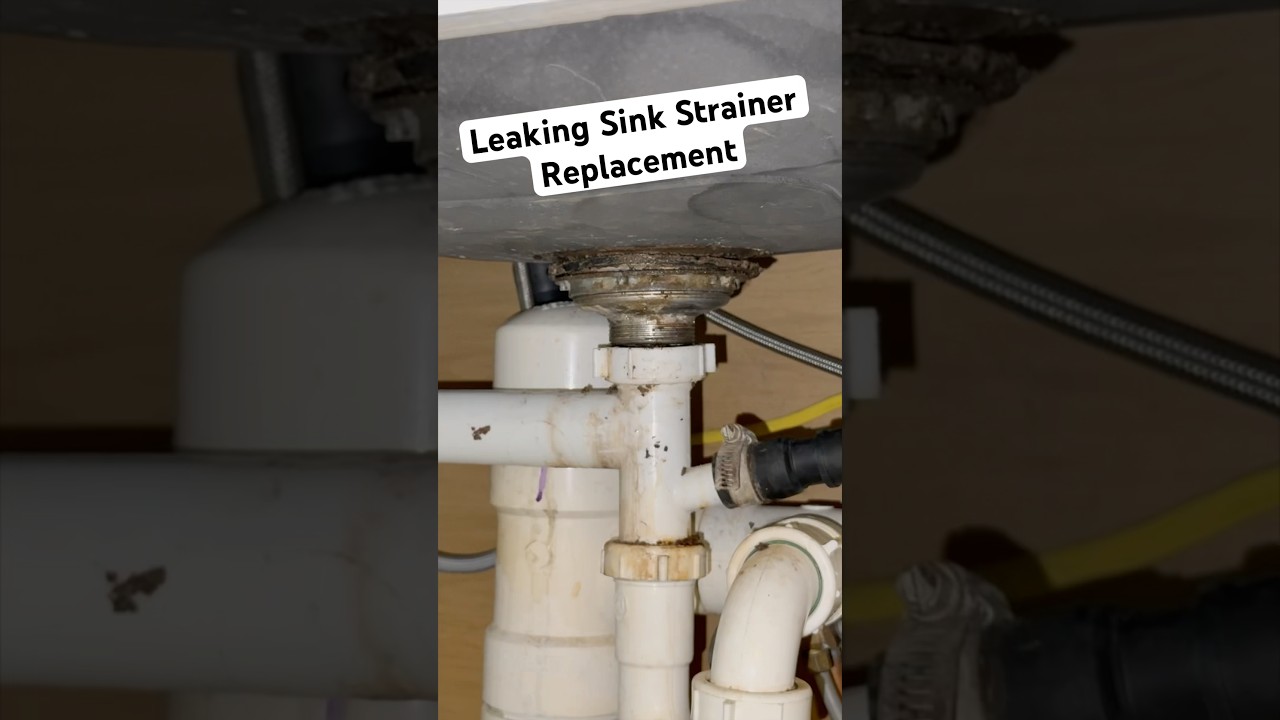
Credit: www.youtube.com
Testing For Leaks
Run water in the sink for a few minutes. Watch carefully under the drain area. Look for any drops or wet spots forming. This shows a leak might be present.
Check all seals around the drain pipe. Make sure they are tight and without cracks. Loose seals often cause water to escape.
- Feel around seals for moisture or water.
- Tighten any loose connections gently.
- Replace damaged seals with new ones.
Testing with a dry cloth can help. Wipe the area dry, then run water again. Any new wet spots confirm a leak.
Tips For Long-lasting Seal
Ensure a long-lasting seal for your kitchen sink drain by cleaning the area thoroughly before applying sealant. Use a high-quality, waterproof silicone sealant and apply it evenly around the drain. Allow it to cure completely for a secure fit.
- Clean the sink area with a cloth. Remove all dirt and grease.
- Use a high-quality sealant for the best results.
- Apply the sealant evenly around the drain edges.
- Press the drain firmly into place. Ensure it fits snugly.
- Wipe away extra sealant with a damp cloth quickly.
- Let the sealant dry for several hours. Follow the instructions.
- Test for leaks by running water. Check under the sink.
- Reapply sealant if you see any leaks. Ensure complete coverage.
- Inspect the seal regularly for any cracks or wear.

Credit: www.amazon.com
Frequently Asked Questions
How Do I Seal A Kitchen Sink Drain Effectively?
To seal a kitchen sink drain, apply plumber’s putty or silicone sealant around the drain flange. Tighten the drain assembly securely. This prevents leaks and ensures a watertight seal between the sink and drain.
What Materials Are Best For Sealing Sink Drains?
Plumber’s putty and silicone sealant are ideal for sealing sink drains. Putty is easy to mold and removable, while silicone offers strong, long-lasting waterproofing. Choose based on your sink type and preference.
How Long Does Kitchen Sink Drain Seal Last?
A properly sealed kitchen sink drain can last several years. Silicone sealant typically lasts longer than plumber’s putty. Regular inspections help detect leaks early and maintain a good seal.
Can I Seal A Sink Drain Without Removing It?
Sealing without removing the drain is challenging and less effective. For a reliable seal, removing the drain to clean and reseal is recommended. This ensures no trapped debris affects the seal.
Conclusion
Sealing your kitchen sink drain helps prevent leaks and bad smells. Use the right sealant and follow each step carefully. Take your time to apply it evenly around the drain. Check for any gaps or cracks after sealing. Fix them quickly to avoid water damage.
A well-sealed drain keeps your kitchen clean and safe. Simple tools and materials make this task easy. Regular checks can save you from costly repairs later. Now, you can enjoy a leak-free sink with confidence.