Is your KitchenAid dishwasher not draining properly? It can be frustrating to find water pooling at the bottom after a cycle.
But don’t worry—you can fix this yourself. Knowing how to drain your KitchenAid dishwasher quickly saves you time and money on repairs. You’ll discover simple, step-by-step tips to get your dishwasher draining like new again. Keep reading, and you’ll have your kitchen running smoothly in no time.
Reasons To Drain A Dishwasher
Dishwasher drainage issuescan cause water to stay inside the machine. This may lead to bad smells and dirty dishes. Common problems include clogged filters, blocked drain hoses, or faulty pumps. Sometimes food scraps or soap buildup stop water from flowing out.
Manual drainingis needed when the dishwasher does not empty after a cycle. This can happen if the automatic drain fails or if there is a power outage. It helps prevent water damage to your kitchen floor. Also, draining manually is useful before cleaning or fixing the dishwasher.
- Water remains inside after washing
- Dishwasher makes strange noises during drain
- Water leaks from the bottom
- Dishwasher stops mid-cycle

Credit: www.youtube.com
Tools Needed
Basic tools help to open and drain the dishwasher easily. You need a screwdriverto remove panels. A wrenchhelps to loosen nuts and bolts. Keep a bucketready to catch water. A towelor rag is useful for spills.
Safety is very important. Use glovesto protect your hands from sharp edges. Wear safety glassesto protect your eyes from splashes. Make sure the dishwasher is unpluggedto avoid electric shock. Work in a well-lit area to see clearly.
Preparation Steps
Always unplug the dishwasherbefore starting any work. This stops electric shocks and keeps you safe. Find the power cord and pull it out from the wall socket.
Next, turn off the water supplyto the dishwasher. Look for the shut-off valve near the sink or under the dishwasher. Turn the valve clockwise to close it. This stops water from flowing into the machine.
- Unplug the dishwasher to avoid electric shocks.
- Locate the water supply valve near the dishwasher.
- Turn the valve clockwise to stop water flow.
Draining Methods
The Drain Cycleis the easiest way to remove water from your Kitchenaid dishwasher. Select the Drainoption on the control panel. The dishwasher will pump out all the water inside.
Some models may require you to press and hold the Startbutton to begin draining. Wait a few minutes until the water stops flowing. The dishwasher will be empty and ready to use or repair.
For manual drainage, first unplug the dishwasher for safety. Locate the drain hosebehind the appliance. Place a shallow pan or bucket under the hose end to catch water. Detach the hose carefully to avoid spills. Let the water flow out completely.
Check the drain hose and filter for any blockages. Clean them if needed before reattaching the hose. Plug the dishwasher back in and test the drain cycle again to ensure proper drainage.
Clearing Blockages
The filtercatches food bits and debris to stop clogs. Remove the bottom rack to find it. Turn the filter counterclockwise and pull it out. Rinse it under warm water. Use a soft brush to clean stubborn dirt. Check the filter regularly to keep water flowing well.
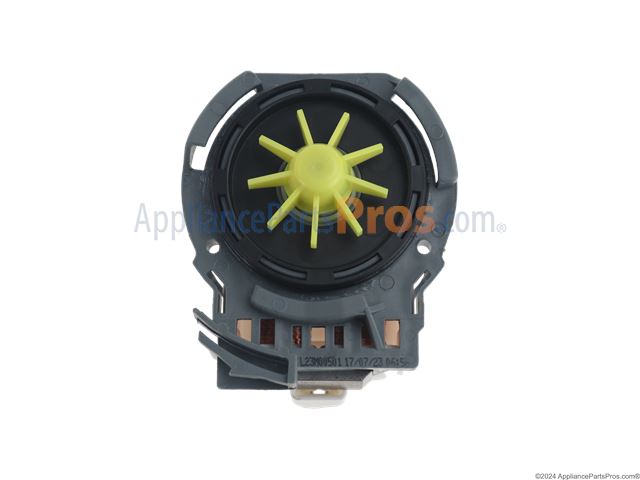
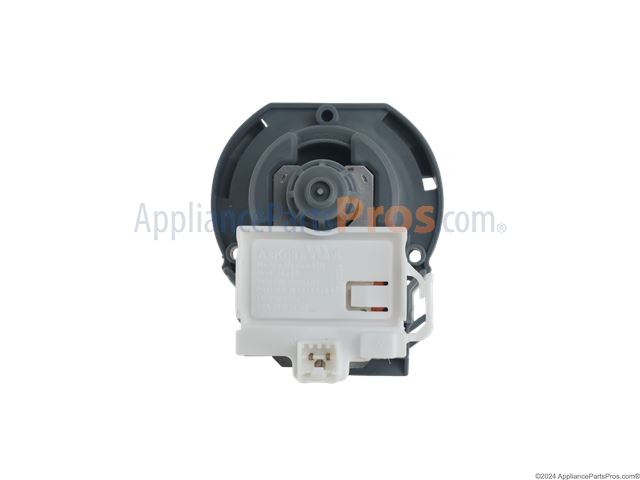
The drain hosecarries water out of the dishwasher. Look behind the dishwasher to find the hose. Make sure it is not bent or twisted. Detach it carefully and check for blockages inside. Flush the hose with water to clear any clogs. Reattach it securely before running the dishwasher again.
Credit: www.appliancepartspros.com
Testing The Drain
Start by running a short cycle on your Kitchenaid dishwasher. This helps check if the water drains properly. Listen for unusual noises during the cycle. Watch the drain hose to see if water flows out smoothly.
After the cycle ends, check under and around the dishwasher for any leaks. Look closely at the door seals and hose connections. Leaks often happen where parts join together.
- Ensure the drain hose is not kinked or blocked.
- Check the sink drain connection for water flow.
- Inspect the dishwasher filter for clogs.
Testing the drain with a short cycle and inspecting for leaks helps find problems early. Fixing small issues can prevent bigger ones later.
Maintenance Tips
Ensure safety by unplugging the dishwasher. Remove the bottom dish rack for better access. Locate and clean the filter to prevent clogs. Use a sponge or towel to soak up excess water. Reassemble the parts and plug the dishwasher back in.
Regular Cleaning Schedule
Keeping the dishwasher clean is very important. Wipe down the filter every week. This prevents food buildup. Run hot water through the drain monthly. This helps remove grease. Use vinegar for deep cleaning. Pour a cup in the bottom. Run a short cycle. This makes everything fresh.
Avoiding Future Drain Problems
- Scrape off food before loading dishes. It keeps the drain clear.
- Check the drain hose every few months. Look for kinks.
- Make sure the dishwasher is level. Water must drain properly.
- Use the right detergent amount. Too much can cause clogs.

Credit: www.youtube.com
Frequently Asked Questions
How Do I Manually Drain A Kitchenaid Dishwasher?
To manually drain, turn off power and water supply first. Locate the drain hose under the sink. Remove any clogs and use a wet/dry vacuum to clear water. Run a short drain cycle to ensure complete drainage.
Why Is My Kitchenaid Dishwasher Not Draining Water?
Common causes include clogged filters, blocked drain hoses, or a faulty drain pump. Clean filters and hoses regularly. If problems persist, check the drain pump for damage or call a professional technician.
Can I Use Vinegar To Help Drain My Dishwasher?
Yes, vinegar helps break down grease and residue inside the dishwasher. Pour a cup of white vinegar into the bottom before running a drain cycle. It cleans and deodorizes, promoting better water flow and drainage.
How Often Should I Drain My Kitchenaid Dishwasher?
Drain your dishwasher every few months for maintenance. Regular draining prevents clogs, odors, and buildup in the drain system. Frequent cleaning extends the appliance’s lifespan and keeps it running efficiently.
Conclusion
Draining your KitchenAid dishwasher is simple and quick. Follow the steps carefully to avoid any problems. Regular draining helps keep your dishwasher clean and working well. Always check for blockages in the drain hose or filter. Doing this prevents water buildup and bad smells.
Taking small actions now saves you from bigger repairs later. Keep your dishwasher running smoothly with easy maintenance. You can enjoy fresh, clean dishes every time. Simple care makes a big difference in how your dishwasher works.