Your kitchen sink is one of the busiest spots in your home. It’s where you wash dishes, prepare food, and sometimes even clean up spills.
Because of this, keeping it clean and germ-free is super important for your health. But what if you don’t want to use bleach? Maybe you’re worried about harsh chemicals or the strong smell. Don’t worry—you can disinfect your kitchen sink effectively without bleach.
You’ll discover simple, safe, and natural ways to make your sink sparkle and stay germ-free. Keep reading to learn how easy it can be to protect your family and keep your kitchen fresh.
Credit: www.housework.com
Natural Disinfectants For Sinks
Vinegar and baking sodawork well to clean and disinfect kitchen sinks. Vinegar is acidic and kills many germs. Baking soda is a mild abrasive that removes stains and odors. Sprinkle baking soda over the sink surface. Then pour vinegar slowly on top. The mixture will bubble and fizz, helping to lift dirt and grime. Scrub gently with a sponge or brush. Rinse with warm water to wash away residue.
Lemon juicehas natural antibacterial properties. It also leaves a fresh, clean smell. Rub lemon juice directly on the sink surface or mix with baking soda for extra scrubbing power. Lemon helps break down grease and mineral deposits. Wipe the sink with a soft cloth after cleaning to shine the surface.

Credit: www.express.co.uk
Step-by-step Cleaning Process
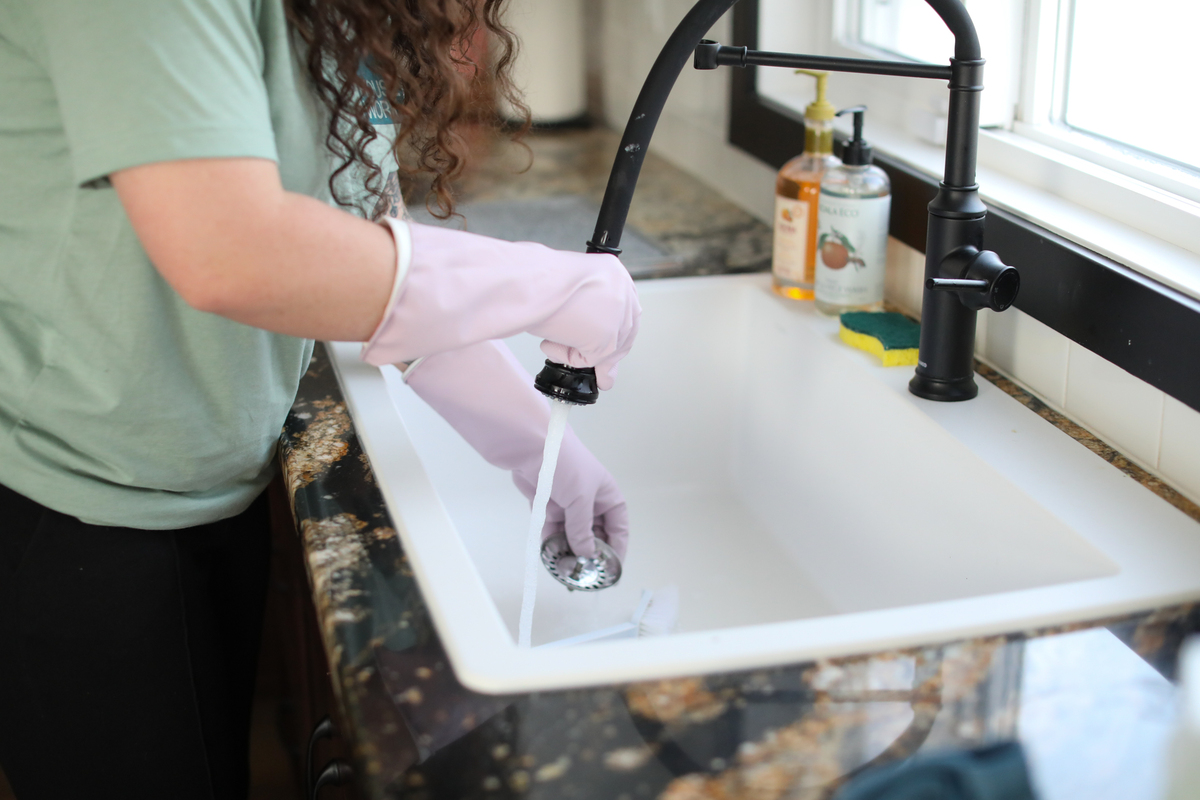
Before cleaning, wear gloves to protect your hands. Open windows for fresh air. Remove dishes and debris from the sink. Use warm water to rinse the sink well.
Choose a safe cleaner like white vinegar, baking soda, or lemon juice. These are natural and work well without harsh chemicals.
- Sprinkle baking soda over the wet sink surface.
- Pour vinegar slowly; it will fizz and help remove grime.
- Let the mixture sit for a few minutes.
- Use a soft brush or sponge to scrub gently in circles.
- Pay extra attention to the drain and edges.
- Rinse thoroughly with warm water to wash away residue.
Dry the sink with a clean towel to avoid water spots. Repeat cleaning weekly to keep the sink fresh and clean.
Using Essential Oils
Essential oils like tea tree and lemon have natural antibacterial properties. Mix a few drops with water to spray and clean your kitchen sink safely. This method kills germs without harsh chemicals or bleach.
Antibacterial Properties
Essential oils have natural antibacterial properties. They can kill many types of germs and bacteria. These oils work by breaking down the outer layers of bacteria cells. This helps to clean and disinfectwithout harsh chemicals. Using essential oils is a gentle way to keep your kitchen sink safe and clean. Their fresh scents also leave the sink smelling good.
Best Oils For Cleaning
- Tea Tree Oil: Strong antibacterial and antifungal effects.
- Lemon Oil: Cuts through grease and has a fresh scent.
- Lavender Oil: Kills germs and smells calming.
- Eucalyptus Oil: Fights bacteria and leaves a clean aroma.

Credit: www.express.co.uk
Maintaining A Germ-free Sink
Keeping your kitchen sink clean every dayhelps stop germs from growing. Use a soft sponge with warm, soapy water to wipe the sink surface after each use. Rinse with clean water to wash away any food bits or soap.
Let the sink air dry or dry it with a clean cloth to stop moisture build-up. Avoid leaving wet sponges or cloths in the sink because they can breed bacteria.
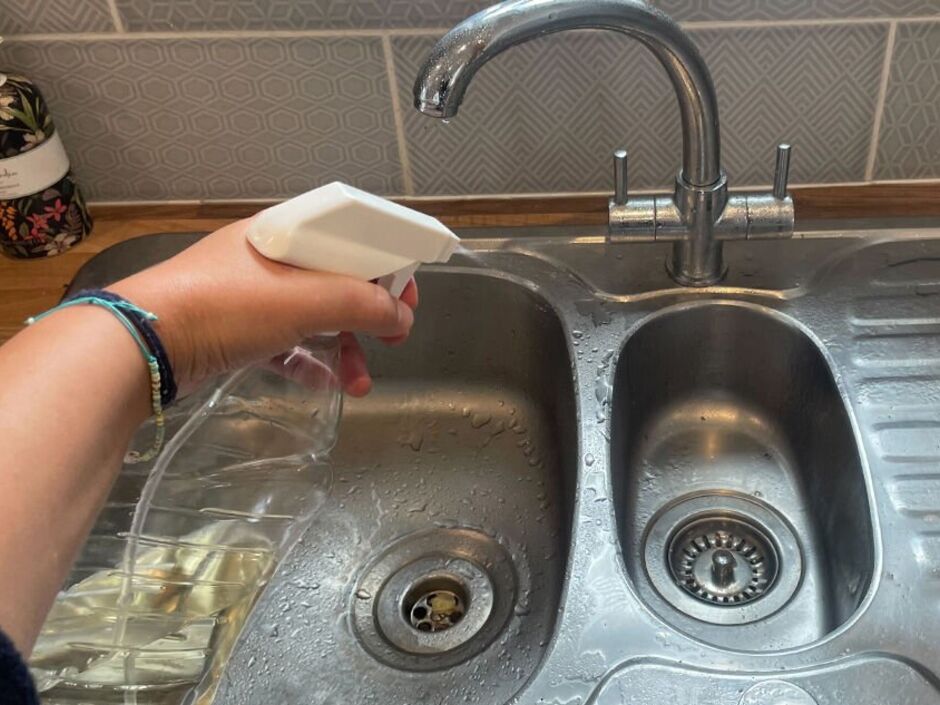
For deep cleaning, try natural disinfectantslike white vinegar or lemon juice. Spray or pour them on the sink and let sit for a few minutes. Scrub gently with a brush, then rinse well with water.
Use baking soda to scrub tough stains or stuck-on grime. It acts as a mild abrasive and deodorizer. Repeat deep cleaning once a week to keep the sink fresh and safe.
Avoiding Common Mistakes
Avoid using harsh chemicals like ammonia or bleach alternatives. These can damage your sink’s surface. Avoid abrasive scrubbers that scratch the sink. Soft cloths or sponges work best for cleaning.
For tough stains, try natural solutions like baking soda and vinegar. Make a paste with baking soda and water. Apply it on the stain and let it sit for 10-15 minutes. Then, scrub gently with a soft brush or sponge.
Rinse well with warm water. Repeat if needed. Never mix cleaning products; this can cause harmful fumes.
Frequently Asked Questions
How Can I Disinfect My Kitchen Sink Without Bleach?
Use natural cleaners like vinegar and baking soda to kill germs safely and effectively.
What Household Items Disinfect Kitchen Sinks Safely?
Vinegar, baking soda, lemon juice, and hydrogen peroxide are great for cleaning and disinfecting.
How Often Should I Disinfect My Kitchen Sink?
Disinfect your sink at least once a day to keep it clean and germ-free.
Conclusion
Disinfecting your kitchen sink without bleach is simple and safe. Natural cleaners like vinegar and baking soda work well. They kill germs and remove odors effectively. Using these methods keeps your sink clean and healthy. No harsh chemicals needed. Regular cleaning helps prevent bacteria buildup.
Your kitchen stays fresh and inviting. Try these easy tips to maintain a clean sink every day. Clean habits make a big difference. Keep your kitchen safe for your family.