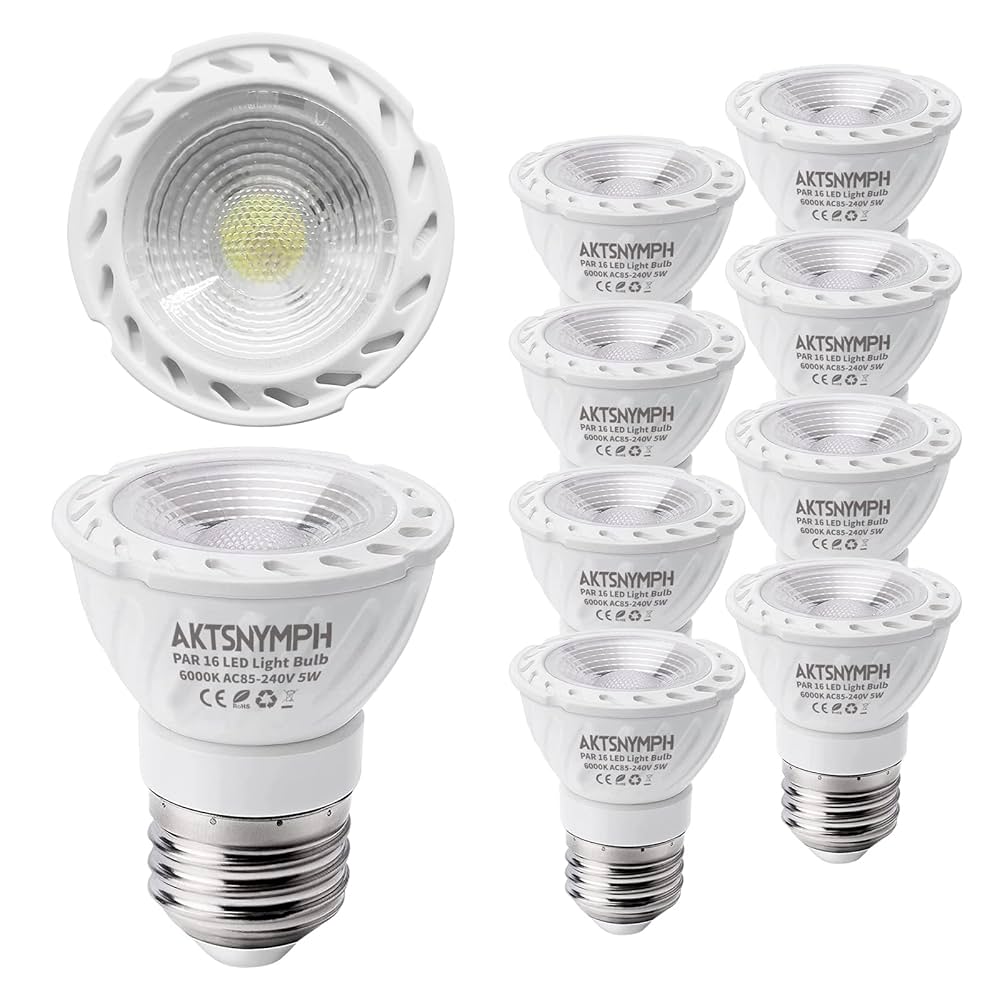
Choosing the right wattage bulb for your kitchen can make a bigger difference than you might think. You want bright, clear light to see every detail while cooking, but too much glare or harshness can feel uncomfortable.
What if you could find the perfect balance that makes your kitchen both inviting and practical? You’ll discover exactly how to pick the ideal bulb wattage to brighten your space just right—no guesswork, no wasted energy. Keep reading to transform your kitchen lighting and make every meal prep a breeze.
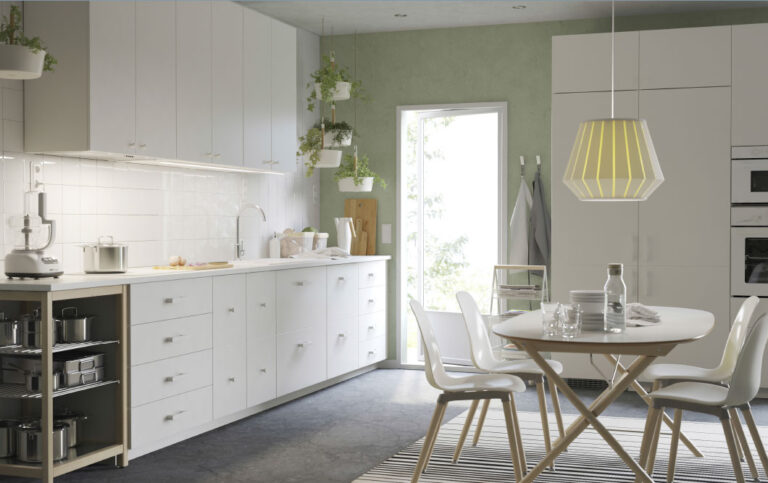
Credit: hlled.com
Choosing The Right Bulb Wattage
Choosing the right bulb wattage depends on the size and use of your kitchen. A 60 to 75 wattbulb is usually enough for general lighting. For task areas like the sink or stove, brighter light of about 75 to 100 wattsis better.
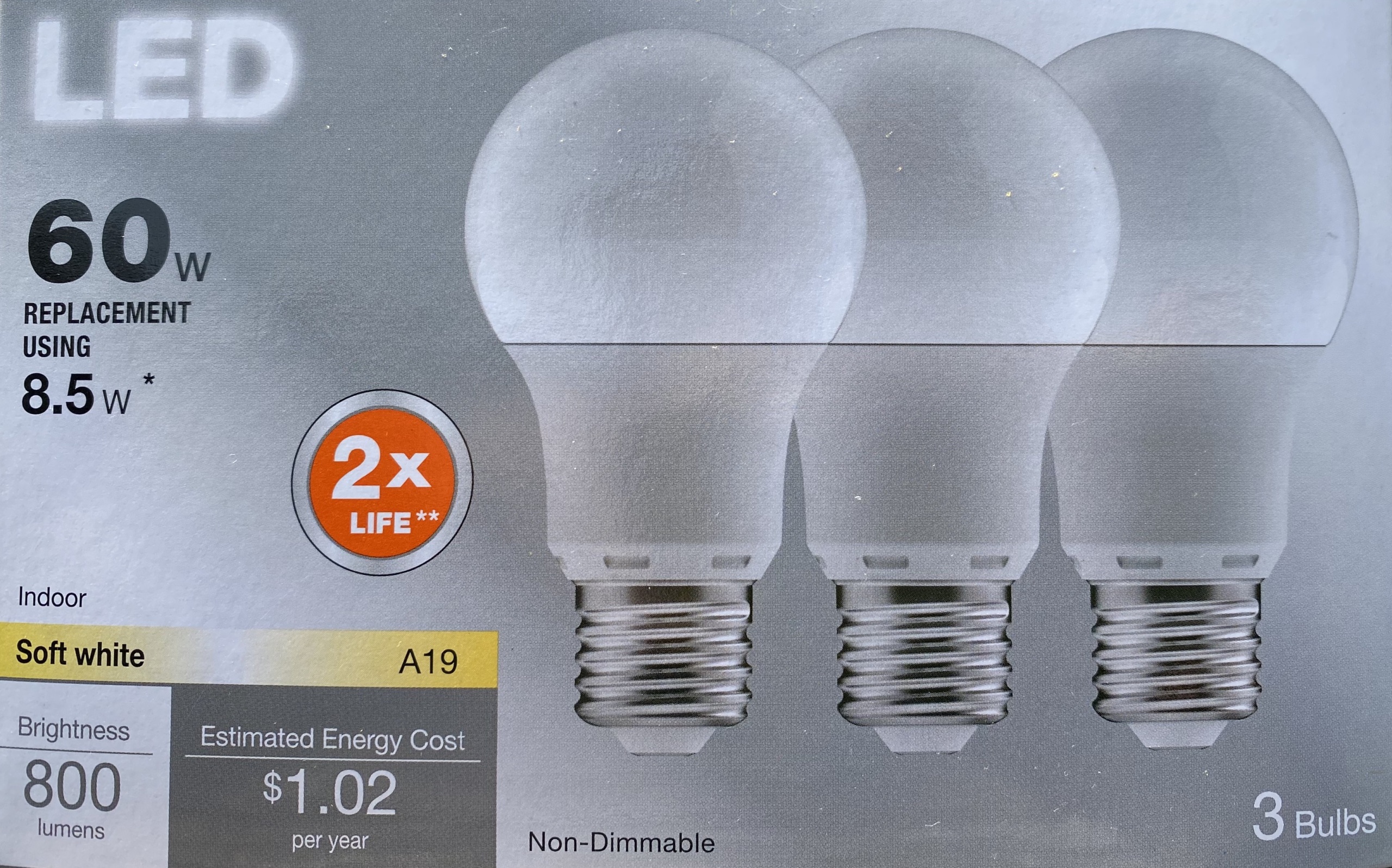
Energy-saving options like LED bulbs use less wattage but give the same brightness. For example, a 10-watt LED can replace a 60-watt bulb. This saves money and energy.
| Area | Recommended Wattage | Notes |
|---|---|---|
| General Lighting | 60-75 watts | Good for main ceiling lights |
| Task Lighting | 75-100 watts | Use near counters and cooking areas |
| LED Bulbs | 8-15 watts | Energy-saving and bright |
Credit: environmentamerica.org
Factors Affecting Kitchen Lighting Needs
Several factors affect kitchen lighting needs. The size of the kitchen is important. Larger kitchens need brighter bulbs to light the entire space well. The color of walls and cabinets also matters. Dark colors absorb light, so bulbs with higher wattage may be needed.
The type of kitchen tasks influences lighting too. Cooking and reading recipes require focused, bright light. Ambient lighting creates a soft, general glow. Task lighting helps with detailed work.
Natural light changes the needs. Kitchens with many windows need less artificial light during the day. The style of fixtures affects light spread and brightness.
- Kitchen size
- Wall and cabinet color
- Type of kitchen tasks
- Natural light availability
- Fixture style and placement
Comparing Bulb Types And Wattage
Choosing the right wattage bulb for the kitchen depends on the space size and brightness needed. LED bulbs offer energy savings, while incandescent bulbs provide warm light. Comparing types helps find the perfect balance between brightness and energy use.
- Incandescent bulbsuse more energy and get very hot.
- LED bulbssave energy and last much longer.
- CFL bulbsuse less power than incandescent but contain small amounts of mercury.
- For kitchens, bright light is important for safety and cooking.
- A kitchen usually needs bulbs with 800 to 1100 lumens, about 60 to 75 watts for incandescent.
- LED bulbs need 10 to 15 wattsto give the same brightness.
- Choose bulbs with a color temperatureof 2700K to 4000K for warm to neutral light.
Energy Efficiency And Brightness
Choosing the right wattagebulb for the kitchen is key for both energy savingsand brightness. A bulb with 60 to 75 wattsusually lights a kitchen well. Too low wattage means the kitchen looks dim. Too high wattage wastes energy and can feel too bright.
LED bulbs use less energy but give the same brightness as higher wattage bulbs. They last longer and cut electricity bills. For kitchens, bulbs with about 800 lumensbrightness work best. This level helps you see clearly while cooking and cleaning.
- Choose LED bulbs for better energy use.
- Look for bulbs with 800 lumens for good light.
- Stay between 60-75 watts for balanced brightness.
- Use soft white or daylight bulbs for a natural look.
Tips For Optimal Kitchen Lighting
Choosing the right wattage bulbfor the kitchen helps create a bright and safe space. A bulb between 60 to 100 wattsis ideal for general lighting. Lower watt bulbs can be used in areas where less light is needed, such as near cabinets or for accent lighting.
Cool white or daylight bulbs with a color temperature of 4000K to 5000Kmake the kitchen look clean and fresh. Avoid bulbs that are too warm, as they can make the kitchen feel dim.
- Use bright bulbsnear cooking and prep areas.
- Install dimmable bulbsto adjust lighting based on time of day.
- Combine overhead lightswith task lighting under cabinets.
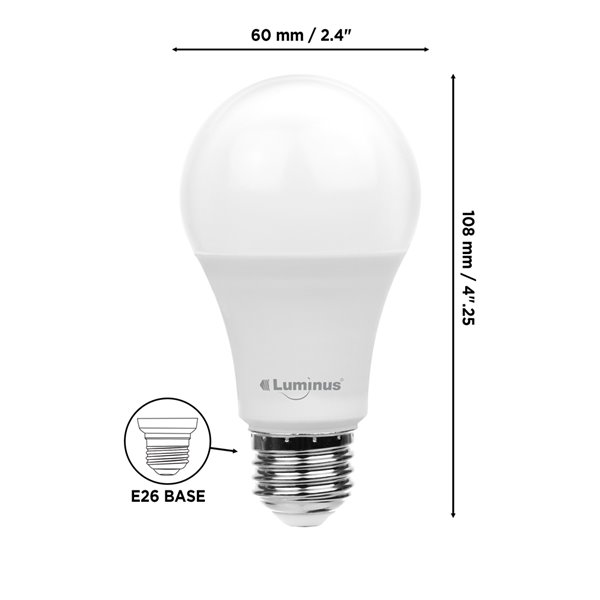
Credit: www.rona.ca
Frequently Asked Questions
What Wattage Bulb Is Best For Kitchen Lighting?
A 60 to 100-watt equivalent LED bulb works well for bright, clear kitchen lighting.
Can Low Wattage Bulbs Work In Kitchen Areas?
Low wattage bulbs may not provide enough light for cooking or cleaning tasks.
How Does Wattage Affect Kitchen Bulb Brightness?
Higher wattage bulbs offer brighter light, helping you see better while working in the kitchen.
Conclusion
Choosing the right wattage bulb makes kitchen tasks easier and safer. Bright, clear light helps you see food and utensils well. Too bright can hurt your eyes. Too dim can cause mistakes. Aim for bulbs between 60 to 100 watts for most kitchens.
This range balances brightness and comfort. Also, consider energy-saving LED bulbs to lower bills. Good lighting creates a pleasant cooking space. Remember, the right bulb wattage improves both function and mood in your kitchen. Simple changes make a big difference.