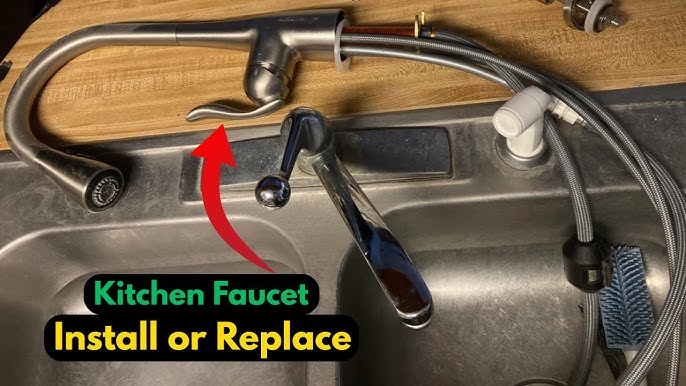
Are you tired of dealing with a leaky or outdated kitchen faucet? Replacing it might seem like a big job, but what if you could do it yourself quickly and easily?
Imagine turning on your kitchen tap and enjoying a fresh, stylish faucet that works perfectly every time. In this guide, you’ll discover simple steps to replace your kitchen faucet without stress or confusion. Ready to upgrade your kitchen and save money?
Keep reading—your new faucet is just a few easy steps away.

Credit: www.youtube.com
Tools And Materials Needed
To replace a kitchen faucet, gather these tools and materialsfirst. A adjustable wrenchhelps loosen nuts. Use a basin wrenchfor hard-to-reach spots. A screwdriveris needed to remove screws. Have a bucketready to catch water drips.
Materials include the new faucet, plumber’s tape to seal joints, and plumber’s putty to stop leaks. Also, keep a clean clothhandy to wipe spills. Check that the new faucet fits your sink.
- Adjustable wrench
- Basin wrench
- Screwdriver (flathead and Phillips)
- Bucket
- New faucet
- Plumber’s tape
- Plumber’s putty
- Clean cloth
Shutting Off Water Supply
Turn off the main water valve before starting. This stops water flow to the faucet. Find the valve under the sink or near the water meter. Use a wrench if the valve is tight. Open the faucet to drain any water left in pipes. Check that water has stopped before loosening any parts. This prevents spills and damage. Keep a bucket or towel handy to catch drips. Safety first. Double-check that no water is running. This step makes the replacement easier and cleaner.
Removing The Old Faucet
Turn off the water supply to avoid leaks. Use a wrench to disconnect the supply lines under the sink. Place a bucket below to catch any water that may spill.
Loosen the nuts holding the faucet in place. Sometimes, these nuts can be tight or hard to reach. Use a basin wrench for better access.
Once the nuts are removed, carefully lift the old faucet out from the sink. Clean the area around the faucet hole to remove any dirt or old sealant.
Installing The New Faucet
Start by placing the new faucet onto the sink holes. Make sure the gasket or putty is under the faucet base. This prevents water leaks. Tighten the mounting nuts under the sink. Use a basin wrench for hard-to-reach places. Connect the water supply lines to the faucet’s inlets. Hand-tighten first, then use a wrench gently. Avoid overtightening to prevent damage.
Turn on the water supply slowly. Check for leaks around connections. Tighten any loose fittings if needed. Run both hot and cold water to clear air from pipes. Test the faucet handles to ensure smooth operation. Clean the area around the faucet to remove excess putty or debris.
Testing For Leaks And Final Adjustments
Turn on the water supply slowly and watch carefully for leaks. Check all connections under the sink for any drips or wet spots. Tighten nuts or fittings gently if you see water escaping. Open both hot and cold taps to ensure smooth water flow. Let the water run for a minute to clear air from the pipes.
Test the faucet handle movement. It should turn easily without wobbling or resistance. Make any small adjustments to the handle or spout alignment. Wipe away any water to see if new leaks appear. A dry area means the installation is secure and complete.

Credit: www.youtube.com

Credit: www.youtube.com
Frequently Asked Questions
How Do I Turn Off Water Before Replacing A Faucet?
Locate the shut-off valves under the sink and turn them clockwise to stop water flow.
What Tools Do I Need To Replace A Kitchen Faucet?
You need an adjustable wrench, basin wrench, screwdriver, and plumber’s tape for faucet replacement.
How Long Does It Take To Replace A Kitchen Faucet?
Most replacements take about 1 to 2 hours, depending on experience and faucet type.
Conclusion
Replacing a kitchen faucet can be easier than it seems. Follow the steps carefully and take your time. Make sure to turn off the water before starting. Use basic tools and check for leaks after installation. A new faucet can improve your kitchen’s look and function.
Small repairs like this save money and build confidence. Enjoy your updated kitchen with fresh water flow. Simple tasks like these make a big difference. Keep your workspace clean and stay safe. You can handle this project without help.