Does your kitchen sink drain take forever to empty, or is there a lingering odor that just won’t go away? You’re not alone.
Keeping your kitchen sink drain clean is a small, often overlooked task that can make a world of difference in your kitchen’s functionality and freshness. Imagine the satisfaction of a sink that not only drains quickly but also smells fresh and looks spotless.
In this guide, you’ll discover simple, effective methods to clean your kitchen sink drain without breaking a sweat. We’ll walk you through easy steps to ensure your kitchen remains a pleasant and efficient space. Don’t let a clogged or smelly drain disrupt your cooking haven any longer. Read on to learn how to tackle this common household issue with confidence and ease.

Credit: www.youtube.com
Materials And Tools Needed
Gather all necessary materials before starting. You will need a plunger. A bucket is also important. Ensure you have rubber gloves to keep hands clean. White vinegar helps break down grime. Baking soda is also useful for cleaning. A pipe wrench can be handy for tight spots.
Dish soap is needed to remove grease. Hot water helps to dissolve clogs. A scrub brush will clean surfaces well. Old towels can soak up spills. Wire hanger might help dislodge debris. Flashlight helps you see in dark areas.
Keep a small container for tiny parts. Screwdriver is useful for unscrewing drains. Drain snake can reach deep clogs. Make sure to have trash bags for waste. Mask can protect from odors.
Safety Precautions
Ensure the area is well-ventilated by opening windows or turning on a fan. Wear gloves to protect your skin from cleaning agents. Keep cleaning products away from children and pets.
- Always wear gloves to protect your hands.
- Use goggles to shield your eyes from splashes.
- Ensure the area is well-lit for visibility.
- Make sure the sink is empty before you start.
- Keep children and pets away from cleaning products.
- Open windows for ventilation to avoid fumes.
- Read product labels before use.
- Store chemicals out of reach.
Removing Debris
Cleaning kitchen sink drains involves removing debris to ensure smooth water flow. Start by clearing the sink of dishes and food scraps. Use a mixture of baking soda and vinegar to dissolve grease and grime.
Using A Plunger
Use a plunger to clear the kitchen sink drain. Fill the sink halfway with warm water. Place the plunger over the drain opening. Push down firmly and then pull up quickly. Repeat this several times. Listen for the sound of water draining. If water drains slowly, try again. This method can remove small clogs easily.
Manual Removal Techniques
Sometimes debris needs manual removal. Use a flashlight to check the drain. Pull out visible debris with gloved hands. A wire hanger can help reach deeper clogs. Straighten the hanger and bend one end into a hook. Carefully pull out any trapped food or debris. Be gentle to avoid damaging pipes. This can help clear stubborn blockages.
Cleaning With Baking Soda And Vinegar
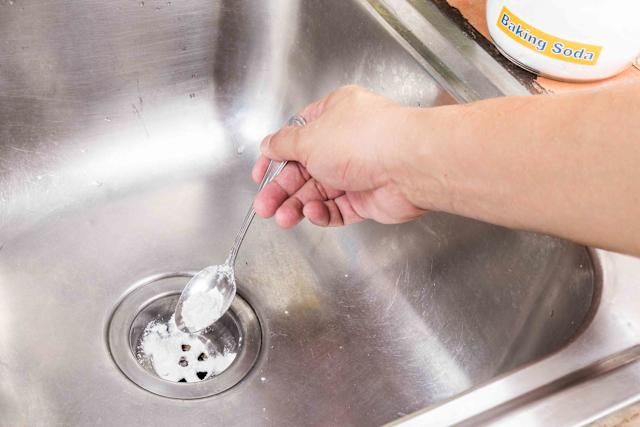
Cleaning the kitchen sink drain is easy with baking soda and vinegar. Pour half a cup of baking soda, then add a cup of vinegar. Wait for the fizzing to stop, then rinse with hot water. This natural method clears clogs and removes odors effectively.
Preparing The Solution
Mixing baking soda and vinegar is easy. First, measure one cup of baking soda. Then, get one cup of vinegar. White vinegar works best. Pour the baking soda into the sink drain. Now, slowly add the vinegar. It will fizz and bubble. This means it’s working. Let it sit for 15 minutes. This helps break down dirt.Application Process
After 15 minutes, boil some water. Pour the hot water down the drain. This rinses away the mixture. Check if the drain is clear. If not, repeat the steps. This method is safe and natural. It keeps your sink drain clean. Always keep these items handy. They are useful and effective. Keep your sink smelling fresh. `Boiling Water Method
Pour a kettle of boiling waterdown the sink drain. This helps in dissolving grease and food particles. Let the water sit for a few minutes. Repeat the process a second time. It will further clear the drain. If needed, use a plunger to clear any remaining blockage. Ensure the sink is empty before starting. Always handle boiling water with care to avoid burns.
Use the boiling water method once a week. This keeps the drain clear and free-flowing. Regular use prevents buildup of debris. It is a simple and effective methodfor maintaining your kitchen sink drain. Consistent care can prolong the life of your plumbing.
Using Chemical Drain Cleaners
Chemical drain cleaners can effectively unclog kitchen sink drains. Pour the cleaner down the drain and wait. Rinse with hot water to clear the blockage.
Choosing The Right Product
Choose a cleaner that suits your drain type. Avoid harsh chemicals for older drains. Read labels carefully before buying. Find products safe for kitchen use. Choose environmentally friendly options when possible.
Application Tips
- Wear gloves to protect your skin.
- Open windows for fresh air.
- Follow instructions on the label.
- Pour the cleaner slowly into the drain.
- Let it sit for the recommended time.
- Rinse with hot water after use.
- Repeat if the drain is still clogged.
Preventive Maintenance Tips
Regularly flush the drain with hot water to dissolve grease and residue. Use baking soda and vinegar to break down clogs naturally. A soft brush can help remove stuck particles, keeping the drain clear and odor-free.
Regular Cleaning Schedule
Cleaning the kitchen sink drain often is important. It keeps it clean and fresh. Use warm water and soap regularly. Rinse the drain after washing dishes. This helps remove small food particles. Baking soda and vinegar can help too. They break down grime and grease. Try this once a week for best results.
Avoiding Common Blockages
Blockages happen from food bits and grease. Avoid pouring grease down the sink. Grease hardens and clogs pipes. Use a strainer to catch food scraps. Throw these scraps in the trash. Do not let them go down the drain. Coffee grounds and eggshells can cause clogs too. Keep these out of the sink to prevent problems.

Credit: www.youtube.com

Credit: katieskottage.com
Frequently Asked Questions
How Often Should I Clean My Kitchen Sink Drain?
You should clean your kitchen sink drain once a week. Regular cleaning prevents clogs and eliminates odors. Use natural cleaners like baking soda and vinegar. This keeps your drain fresh and functioning efficiently.
What Tools Do I Need To Clean The Drain?
Basic tools include a plunger and a drain snake. You may also need baking soda, vinegar, and hot water. These simple tools help effectively clear clogs and maintain a clean drain.
Can I Use Baking Soda And Vinegar?
Yes, baking soda and vinegar are excellent for cleaning drains. Pour baking soda into the drain, followed by vinegar. Let the mixture fizz for a few minutes, then flush with hot water. This natural method effectively clears minor clogs and freshens the drain.
Why Is My Kitchen Sink Drain Smelly?
A smelly drain is often due to trapped food particles. Regular cleaning can prevent odors. Use a mixture of baking soda and vinegar weekly. This helps eliminate bacteria and keeps your drain smelling fresh.
Conclusion
Cleaning your kitchen sink drain can be simple. Regular maintenance prevents clogs. Use baking soda and vinegar to break down buildup. Hot water rinses away debris. A clean sink smells fresh, too. Remember to check the pipes beneath. Tighten any loose connections.
Keep tools handy for quick fixes. Take care of your sink weekly. A clean drain keeps the kitchen running smoothly. Enjoy a hassle-free cooking space. Your efforts lead to a tidy kitchen. Clean habits make life easier. A well-maintained sink means less stress.
Practice these tips for a cleaner home. Happy cleaning!