Have you ever found yourself staring at that old set of kitchen knives, wondering what to do with them? Tossing them in the trash feels wasteful, and you’re right—there’s a better way.
Recycling your kitchen knives not only declutters your space but also contributes to a healthier environment. Imagine transforming those dull blades into something new and useful, giving them a second life. Intrigued? You should be! This guide will show you step-by-step how to recycle your kitchen knives effectively, safely, and responsibly.
By the end of this article, you’ll feel empowered, knowing you’ve made a smart choice for your home and the planet. Let’s dive in and turn what was once a kitchen conundrum into a simple, eco-friendly solution.
Kitchen Knife Recycling Options
Recycling kitchen knives involves donating them to local charities or participating in metal recycling programs. Many community recycling centers accept metal items, including knives, ensuring proper disposal. Consider contacting knife manufacturers for take-back programs that facilitate responsible recycling.
Local Recycling Programs
Many cities offer local recycling programsfor kitchen knives. You can find these programs at community centers. They often have specific drop-off locationsfor metals. Check your city’s website for more information. Some programs may require you to wrap knives safely. This keeps everyone safe during collection. Always follow the guidelines provided by the program.
Mail-in Recycling Services
Mail-in services are a convenient wayto recycle knives. Companies send you a box. You pack your knives and mail them back. These services handle the recycling process for you. They ensure knives are disposed of properly. Look for companies online that offer mail-in recycling. This option works well for people who can’t reach local facilities.
Knife Exchange Events
Knife exchange eventsare held in various locations. These events allow you to trade old knives for new ones. Many stores and organizations host them. They provide a safe way to dispose of old kitchen knives. You can get a new knife in return. Always check event details before attending. Some events may have specific rules or requirements.
Preparing Knives For Recycling
Wash each knife with warm, soapy water. Use a sponge or brush to scrub. Rinse thoroughly and remove all soap. Sanitize the blades with vinegar or alcohol. Let the knives air dry completely. This ensures no bacteria remain.
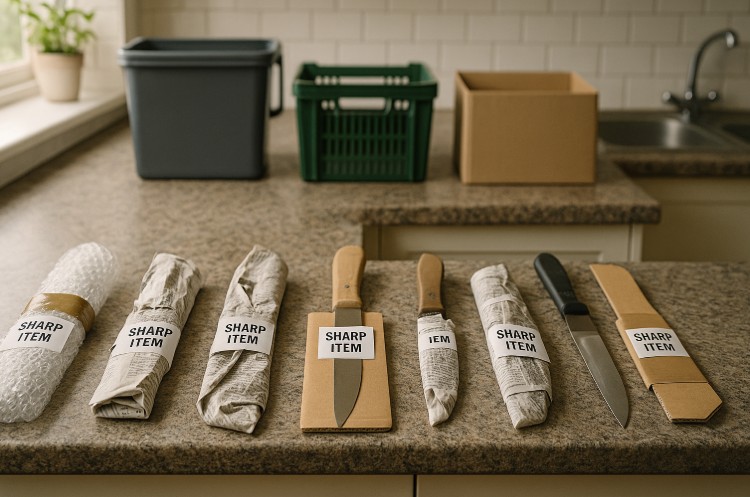
Wrap each knife in newspaper or bubble wrap. Secure with tape to prevent slipping. Place wrapped knives in a sturdy box. Fill empty spaces with crumpled paper. This stops knives from moving.
Always wear gloves when handling knives. Keep children away during the process. Label the box with “Sharp Objects”. This warns recyclers of the contents. Handle the box with care at all times.
Repurposing Old Knives
Old kitchen knives can find new life through creative recycling. Transform them into garden tools, unique art pieces, or decorative handles. Simple projects breathe new purpose into these often discarded items.
Crafting And Diy Projects
Old knives can become useful tools for crafting. They can be reshaped into unique pieces. Try creating custom handles for better grip. Use paints to add color and design. Sand down the blade for smooth edges. Create wall art by arranging blades creatively. Always ensure safety measures are in place.
Garden Tools Conversion
Turn knives into garden tools. Shorten blades for planting seeds. Use blades for cutting weeds. Attach handles for easy use. Convert knives into soil diggers. They can help in small gardens efficiently. Always wear gloves for protection. Ensure tools are well maintained.
Artistic Creations
Old knives can inspire artistic creations. Use them to carve wood. Create metal sculptures using blades. Arrange blades in creative designs. Paint handles for visual appeal. Display them as art pieces. Experiment with different shapes and sizes. Always handle with care.

Credit: www.facebook.com
Donating Usable Knives
Donating usable knives can help reduce waste and support those in need. Ensure blades are clean and undamaged before donating. Many local charities and thrift stores accept kitchen knife donations for community kitchens and cooking classes.
Local Charities And Shelters
Local charities often need kitchen tools. They help families who need support. Usable knives can be donated to these places. Always check first if they need donations. This ensures your knives find a good home.
Community Kitchens
Community kitchens serve many people. They cook meals for those in need. Kitchen knives are essential for their work. Donating knives here makes a big difference. Contact them to know what they accept.
International Aid Programs
Some aid programs send tools overseas. Knives can help communities in other countries. They use them for cooking and teaching. Research programs that need kitchen items. Donating can help people far away.
Environmental Impact
Recycling kitchen knives reduces waste and conserves resources. Donate usable knives to local charities or shelters. For broken knives, check if your local recycling center accepts metal.
Reducing Landfill Waste
Old kitchen knives can harm the environment. They take up space in landfills. This waste can be reduced. Recycle your knives instead. Recycling helps keep landfills smaller. It also saves natural resources. Choose recycling to protect our planet.
Sustainable Metal Recovery
Kitchen knives contain valuable metals. These metals can be used again. Recycling helps recover these metals. This process uses less energy. It also reduces the need for new materials. Sustainable metal recovery is important for a healthy Earth.
Promoting Circular Economy
A circular economy means less waste. Recycling kitchen knives supports this idea. It keeps materials in use longer. Old knives become new products. This reduces the need for new resources. Promoting a circular economy helps save our planet.

Credit: www.facebook.com
Legal And Safety Considerations
Before recycling kitchen knives, check local rules. Some places have specific guidelines for knife disposal. Find out if they accept metal recycling. Not all centers take sharp objects. You might need to call and ask. Knowing the rules helps keep you safe. It also ensures the knives are recycled properly.
Always transport knives safely. Wrap them in thick paper or cloth. This prevents accidents during transport. Use tape to secure the wrapping. Place knives in a sturdy box. Label the box clearly as “sharp objects.” This warns others to handle with care. Safe transport keeps everyone protected.
Recycling knives involves some risk. Improper disposal can lead to injuries. You could be responsible for any harm caused. Ensure knives are secure before disposal. Follow all local rules to avoid problems. Taking these steps reduces your liability. It keeps everyone safe and worry-free.

Credit: www.rubbishremoval.uk
Frequently Asked Questions
Can Kitchen Knives Be Recycled?
Yes, kitchen knives can be recycled, but not with regular curbside recycling. Instead, take them to a scrap metal recycling center. Alternatively, check if your local waste management facility accepts them. Proper disposal ensures safety and environmental sustainability.
Where Can I Recycle Old Kitchen Knives?
You can recycle old kitchen knives at a scrap metal recycling center. Some local waste management facilities also accept them. Always contact the center first to confirm they handle sharp objects. This ensures safe and responsible recycling of your old knives.
Are There Eco-friendly Ways To Dispose Of Knives?
Yes, donating or repurposing knives is eco-friendly. Many charities accept kitchen tools in good condition. Alternatively, you can repurpose knives for gardening or crafting. This reduces waste and gives your knives a new life.
How Should I Prepare Knives For Recycling?
Before recycling, wrap knives in cardboard or bubble wrap for safety. Secure them with tape to avoid injury during transport. Label the package as “Sharp Objects” to alert recycling center staff. This ensures safe handling and disposal.
Conclusion
Recycling kitchen knives is simple and eco-friendly. First, check local recycling rules. Some places accept metal, some don’t. Donate knives in good condition to charities. Broken knives can become art or tools. Creative reuse prevents waste. Selling knives online is another option.
Someone might need them. Recycling protects the planet. It saves resources and reduces landfill waste. Every small action counts. Start today, make a difference. Your efforts help the environment. Keep learning about recycling. Share tips with friends and family. Together, we build a cleaner world.