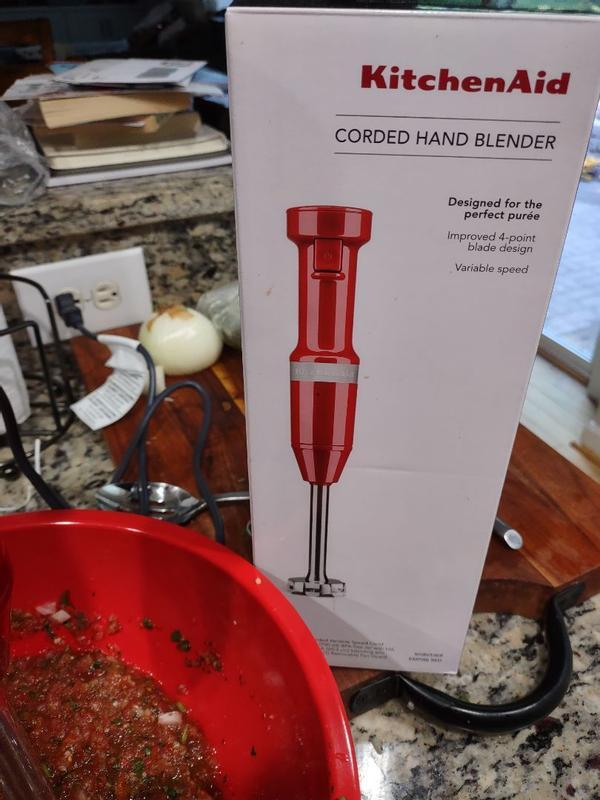
Are you tired of messy blenders and countless dishes piling up after every meal? Your KitchenAid Immersion Blender is here to change that.
This handy tool makes blending, pureeing, and mixing quick and easy—right in the pot or bowl. But if you’re not sure how to get the most out of it, you might be missing out on some serious kitchen magic. Keep reading, and you’ll discover simple steps and insider tips to use your KitchenAid Immersion Blender like a pro, saving you time and effort every day.
Credit: www.kitchenaid.com
Getting Started With Your Immersion Blender
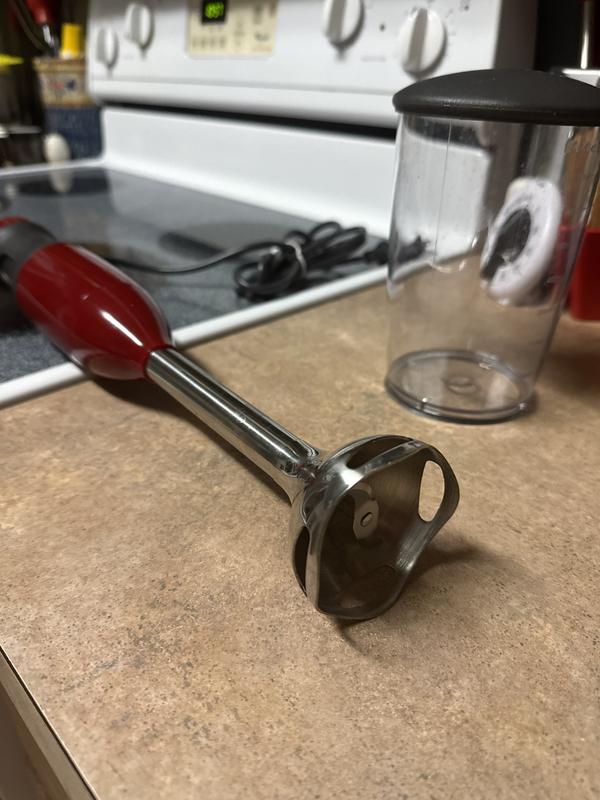
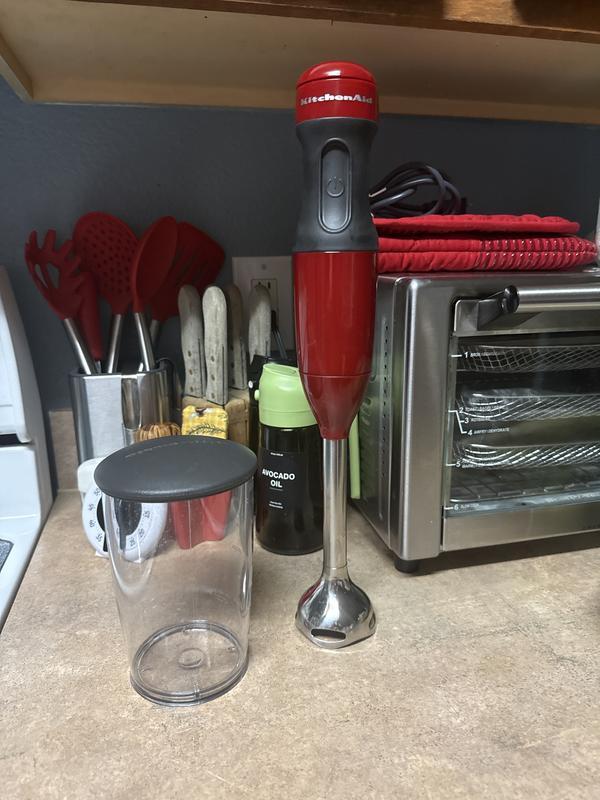
Unboxing your Kitchenaid immersion blenderreveals a few key parts. These include the motor body, blending arm, and various attachments like a whisk or chopper. Each piece fits together easily for quick setup.
Safety is important. Always keep the blender unplugged when attaching parts. Avoid touching blades with your hands. Use the blender only in suitable containers to prevent splashes.
The blender runs on power cords or rechargeable batteries depending on the model. Plug the cord firmly into the socket before use. For cordless versions, charge the battery fully. A light usually shows when charging is complete.
Credit: www.kitchenaid.com
Setting Up For Blending
Attach the blender wand firmly to the motor body. Align the parts and twist gently until you hear a click. This ensures a secure fit and prevents leaks during blending.
Choose a container that fits the wand comfortably. Use tall, narrow containers for less splatter. Avoid shallow or wide bowls to keep the mess contained.
| Speed Setting | Best For |
|---|---|
| Low | Light blending like smoothies or sauces |
| Medium | Mixing thicker ingredients or soups |
| High | Pureeing or chopping hard vegetables |
Adjust speed based on the texture you want. Start slow, then increase speed if needed. This helps avoid splashing and gives better control.
Blending Techniques
Using a KitchenAid immersion blender allows smooth and even mixing directly in pots or bowls. Move the blender slowly up and down for consistent texture. Blending small amounts works best for sauces, soups, and smoothies.
Pureeing Soups And Sauces
Use the immersion blender in your pot. Move it around for smooth blending. Avoid splashes by keeping the blender submerged. Check if the soup is creamy. Add more liquid if it’s too thick.Making Smoothies And Shakes
Place fruits and milk in a tall container. Submerge the blender fully for best results. Blend until the mixture is even. Taste to ensure it’s sweet enough. Add more fruit if needed.Whipping Cream And Eggs
Pour cream into a bowl. Use the blender on medium speed. Blend until soft peaks form. For eggs, blend until mixed well. This technique works for fluffy textures. `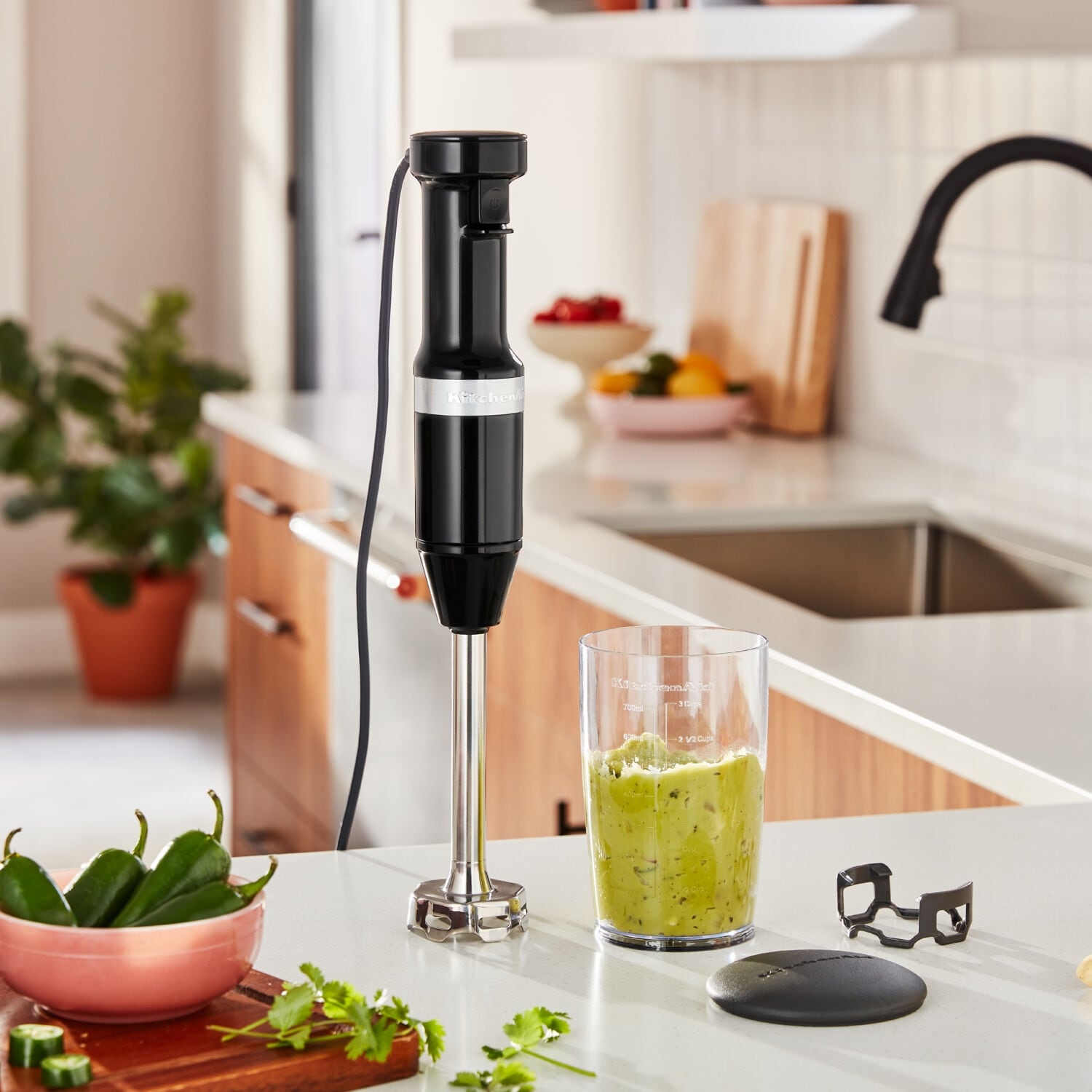
Credit: www.bedbathandbeyond.com
Cleaning And Maintenance
The detachable partsof the immersion blender make cleaning easy. Remove the blending arm before washing. Use warm, soapy water to clean the blade and arm. Avoid submerging the motor part in water. Wipe the motor with a damp cloth only.
Prevent damage by handling blades carefully. Avoid using abrasive cleaners or scouring pads. Do not immerse the motor in water or other liquids. Clean the blender soon after use to stop food from drying on it.
Store the blender in a dry place to keep it safe. Keep all parts together to avoid losing pieces. Use the original box or a storage bag if possible. Make sure the blender is completely dry before storing.
Troubleshooting Common Issues
Blender Not Starting:Check if the blender is properly plugged in. Make sure the power button is pressed firmly. Sometimes the safety lock is on. Try unplugging and plugging it back in to reset the motor. Inspect the cord for any damage.
Unusual Noises:Strange sounds may mean something is stuck in the blades. Turn off the blender and unplug it before checking. Clean the blade area carefully. If the noise continues, the motor might be worn out and need service.
Uneven Blending:Stir the ingredients during blending. Avoid overfilling the container to allow better movement. Use the blender at different speeds to get a smooth mix. Make sure blades are sharp and not bent.
Tips For Best Results
Choose soft fruits and vegetables for smoother blending. Avoid very hard or frozen ingredients as they can strain the blender.
Cut ingredients into small pieces. This helps the blender work faster and better.
| Type of Food | Blending Time |
|---|---|
| Soft fruits (bananas, berries) | 20-30 seconds |
| Cooked vegetables | 30-40 seconds |
| Soups or liquids | 15-25 seconds |
- Use a tall container for less mess and better control.
- Keep the blender deep in the bowl to avoid splashes.
- Pulse the blender for thick mixtures to prevent overheating.
- Clean the blade quickly after use to keep it sharp.
Frequently Asked Questions
How Do I Assemble A Kitchenaid Immersion Blender?
To assemble, attach the blending arm securely to the motor body. Ensure it clicks into place before use. Check the blade guard is properly positioned for safety.
What Ingredients Work Best With This Immersion Blender?
It blends soups, smoothies, sauces, and purees efficiently. Soft fruits, cooked vegetables, and liquids yield the best results. Avoid hard or frozen items without cutting them first.
How Do I Clean The Kitchenaid Immersion Blender?
Detach the blending arm and rinse it immediately after use. Wash with warm, soapy water and dry thoroughly. Never submerge the motor part in water.
Can I Use The Immersion Blender For Hot Soups?
Yes, it is designed for hot liquids. Blend gently to avoid splashing. Use a deep pot to prevent spills and burns.
Conclusion
Using a KitchenAid immersion blender saves time and effort in the kitchen. It blends soups, sauces, and smoothies quickly. Cleaning is easy and takes just minutes. This tool fits well in small kitchens too. Practice a few times to gain confidence.
Soon, you will enjoy making meals faster. Keep safety in mind while blending. Try different recipes to see its full use. This blender is a helpful addition for simple cooking tasks. Enjoy the convenience it brings every day.