Imagine transforming your kitchen into a space where efficiency meets elegance with one simple upgrade: a kitchen sink sprayer. This handy tool is not just a modern convenience; it’s a game-changer for your daily chores, making tasks like rinsing fruits and cleaning dishes faster and easier.
But how do you install one? If you’re worried about complicated plumbing or expensive professional help, take a deep breath. You can do it yourself with just a few tools and a bit of patience. In this guide, you’ll discover the straightforward steps to installing a kitchen sink sprayer, turning what might seem like a daunting task into an enjoyable project.
Ready to make your kitchen tasks smoother and add that touch of practicality you’ve been dreaming of? Let’s dive in and get started!

Credit: www.amazon.ca
Tools And Materials Needed
Installing a kitchen sink sprayer requires specific tools. Here is a list to guide you:
- Adjustable wrench: Useful for tightening connections.
- Pliers: Handy for gripping and turning.
- Screwdriver: Helps in removing or securing screws.
- Teflon tape: Prevents leaks at threaded joints.
- Sprayer kit: Contains all necessary parts.
- Bucket: Catches water during installation.
Ensure all materials are within reach. This makes the job easier. Double-check the sprayer kit contents. Missing parts can cause delays. Keep a towel nearby. It helps to wipe spills quickly.
Preparing The Workspace
Preparing the Workspace Clear the kitchen area and ensure all tools are nearby. Turn off the water supply to the sink. Remove any items under the sink to provide ample working space.
Clearing The Area
Ensure the kitchen countertop is free from clutter. Remove all items around the sink. This makes room for easy installation. Check under the sink for obstacles. Move cleaning supplies or garbage bins away. A clear space helps you work better. It also keeps items safe from water spills.
Shutting Off Water Supply
Locate the water valves under the sink. Turn each valve clockwise to stop water flow. This prevents any leaks during installation. Double-check by turning the faucet on. No water should come out. If water still flows, check the main valve. Ensure it is also turned off. Safety first!
Removing The Old Sprayer
Disconnect the water supply first. Turn off the valves under the sink. Use a wrench to loosen the hose. Pull the hose gently from the fixture. Make sure not to damage the fittings. Place a bucket under the sink to catch water.
Hold the sprayer head firmly. Turn it counterclockwise to unscrew. Use pliers if the sprayer head is tight. Remove the sprayer head completely. Check for any remaining washers or seals. Keep the area clean and dry.
Installing The New Sprayer
First, find the hole under the sink. Push the hose through this hole. Connect the hose to the water supply. Tighten the connection by hand. Make sure it’s very tight. Use a wrench if needed. This keeps the hose from leaking. Check the connection twice. It should not move or drip.
Attach the sprayer head to the hose. Twist it clockwise to tighten. Make sure it’s snug and secure. Hold the sprayer head in one hand. Use the other hand to twist the hose. This ensures a strong connection. Test the sprayer by turning on the water. Ensure it sprays properly without leaks. Adjust if necessary.
Testing The Installation
Ensure water flows smoothly by testing the newly installed kitchen sink sprayer. Check for leaks and adjust connections as needed.
Turning On Water Supply
Turn the water supply back on gently. Listen for any unusual sounds. Water should flow smoothly. If the water is not flowing, check the connections. Ensure they are tight and secure. Proper water flow indicates correct installation.
Checking For Leaks
Examine all joints and connections for leaks. Use a dry cloth to wipe around connections. If you find any wet spots, tighten the fittings. Leaks can cause damage over time. A dry area means the installation is successful.
Ensuring Proper Functionality
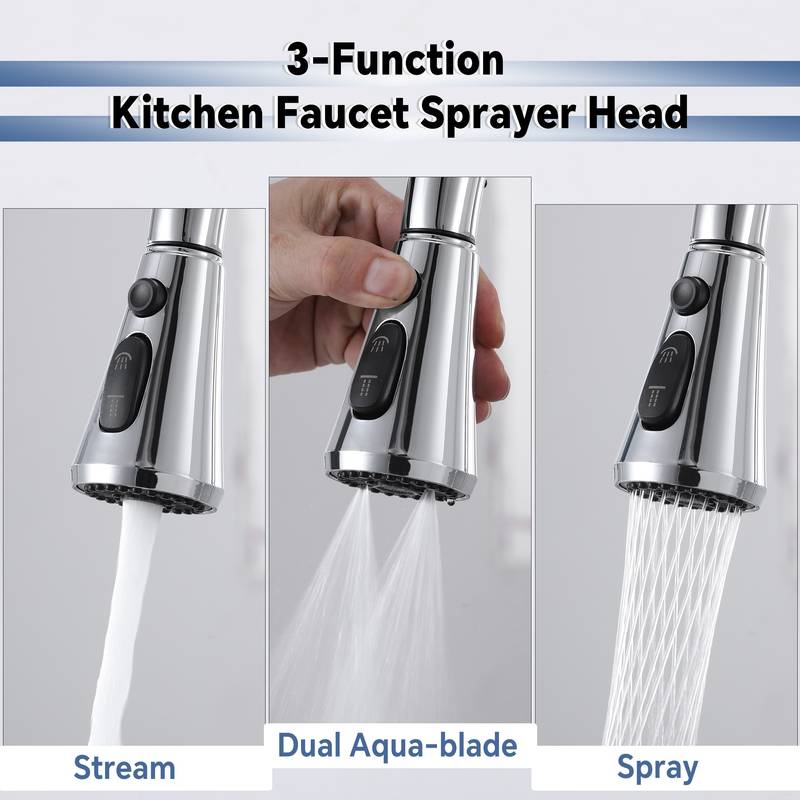
Test the sprayer by pulling the hose. Ensure it retracts smoothly without sticking. Spray water into the sink to check pressure. The sprayer should work with ease. Adjust if needed for smooth operation.
Credit: earthcube.co.nz
Troubleshooting Common Issues
Installing a kitchen sink sprayer can sometimes be tricky. First, ensure all parts are included in the package. Then, check for leaks in the connections and tighten them as needed.
Addressing Leaks
Leaks can cause a mess under your sink. Check the connections first. Ensure they are tight but not too tight. Use a wrench if needed. If the leak persists, inspect the hose. Look for cracks or holes. Replace the hose if damaged. A new washer might be needed for the faucet. Turn off the water first. Then, remove the faucet handle. Swap the old washer with a new one. This often stops leaks.
Fixing Low Water Pressure
Low water pressure can be annoying. Check the aerator on the sprayer. It may be clogged. Unscrew it and rinse under water. Use a brush for stubborn dirt. If the pressure is still low, inspect the hose. It might be kinked or bent. Straighten the hose carefully. If the issue continues, check the water supply valve. Make sure it’s fully open. Sometimes, debris clogs the valve. Clean it gently to restore pressure.
Maintenance Tips
Installing a kitchen sink sprayer involves attaching it to the faucet and connecting the hose to the water supply. Check for leaks and ensure the connections are tight. Regular maintenance helps keep the sprayer functioning smoothly.
Cleaning The Sprayer
Keep the sprayer clean for smooth water flow. Use a soft cloth and mild soap. Gently wipe the sprayer nozzle and hose. Avoid harsh cleaners or scrub brushes. Check for any dirt or grime build-up. Rinse thoroughly with water after cleaning. Ensure all soap residue is removed.
Regular Inspections
Inspect the sprayer often to catch leaks early. Check the hose and connections. Look for cracks or wear in the materials. Tighten any loose fittings with care. Replace damaged parts promptly. Listen for unusual sounds when the sprayer is used. Regular checks help prevent bigger problems.

Credit: www.leoalmanac.org
Frequently Asked Questions
How Do I Connect A Sink Sprayer Hose?
To connect a sink sprayer hose, first, turn off the water supply. Then, attach the hose to the sprayer head and faucet. Ensure tight connections to prevent leaks. Test the sprayer by turning the water back on and checking for proper function and any leaks.
Can I Install A Sprayer Without A Plumber?
Yes, you can install a kitchen sink sprayer without a plumber. Follow the manufacturer’s instructions carefully and ensure you have all necessary tools. With basic plumbing knowledge, you can complete the installation. Always remember to turn off the water supply before starting the process.
What Tools Are Needed For Installation?
For installing a kitchen sink sprayer, you’ll need an adjustable wrench, plumber’s tape, and possibly a screwdriver. Check the manufacturer’s instructions for any specific tools required. Having these tools handy ensures a smooth installation process. Proper preparation helps avoid potential problems during installation.
How Long Does Installation Take?
Installing a kitchen sink sprayer typically takes around one to two hours. This depends on your experience and the complexity of your sink setup. Ensure you have all tools ready and follow the instructions carefully. Take your time for a thorough installation and test the sprayer afterward.
Conclusion
Installing a kitchen sink sprayer is a straightforward task. Follow the steps carefully. Ensure all tools are ready before starting. Double-check connections to prevent leaks. Test the sprayer to confirm proper function. This small addition can make kitchen tasks easier.
Cleaning dishes becomes more efficient. Plus, it adds convenience to your daily routine. Remember, patience is key during installation. If challenges arise, consult the manual or a professional. With the right approach, your new sink sprayer will work perfectly. Enjoy the benefits and improved functionality in your kitchen.
Happy installing!