Are you tired of cluttered countertops and limited kitchen space? Transform your cooking area into a more organized and efficient space by learning how to hang cabinets in your kitchen.
Imagine having a place for everything, where your pots, pans, and spices are neatly stored and easily accessible. This guide will walk you through the process step by step, ensuring you have all the knowledge and confidence to tackle this rewarding project.
Whether you’re a DIY enthusiast or someone looking to save money on renovations, mastering the art of cabinet installation can revolutionize your kitchen experience. Stick with us as we unveil the secrets to achieving a tidy, stylish, and functional kitchen that will make you proud every time you step into it. Your dream kitchen is just a few steps away.

Credit: www.create-enjoy.com
Preparation Steps
Gather necessary tools like a drill, level, and measuring tape. Ensure walls are sturdy for cabinet support. Mark precise locations for screws and brackets before drilling.
Gather Necessary Tools
Start by collecting all the tools you’ll need. You need a drill, level, and screwdriver. Don’t forget a measuring tape and pencil. These tools will help you work efficiently. Make sure they are in good condition.
Measure Space Accurately
First, check the space where the cabinets will go. Use the measuring tape for accurate results. Write down the measurements clearly. Double-check to avoid mistakes. Accurate measurements help cabinets fit perfectly.
Mark Wall Studs
Use a stud finder to locate wall studs. Wall studs are strong and support the cabinets. Mark them with a pencil. Draw straight lines to show stud positions. This ensures your cabinets hang securely.
Cabinet Positioning
Choosing the right layout is important. Think about how you use your kitchen. Consider where you want cabinets to be. Measure the space for each cabinet. Plan for easy access. Draw a simple sketch. This helps you see the plan clearly.
A level tool is key. It makes sure cabinets are straight. Place the level on top of the cabinet. Adjust until the bubble is centered. Do this for every cabinet. Straight cabinets look better. They also work better.
Cabinets should be easy to reach. Height matters for comfort. Measure from the floor up. Most cabinets start at 54 inches. Make sure all cabinets are the same height. This keeps the kitchen looking neat.
Securing Cabinets
Securing cabinets in the kitchen involves precise measurements and sturdy wall mounts. Use a level to ensure alignment. Secure brackets tightly to support the weight.
Attach Ledger Board
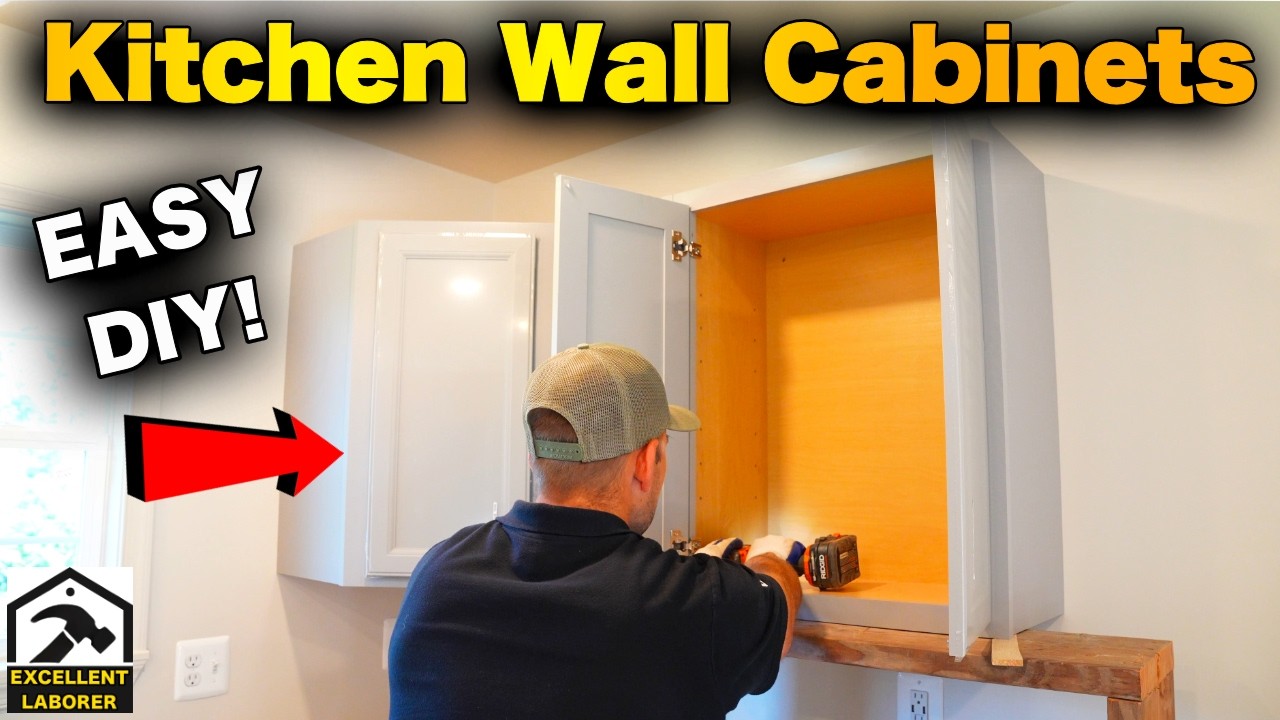
A ledger board helps keep cabinets straight. Place it below the spot where cabinets go. Use screws to secure it tightly to the wall. Make sure it is level with a spirit level.
Drill Pilot Holes
Pilot holes prevent wood from splitting. Use a drill to make small holes in cabinets. Make sure to drill into the studs in the wall. This will give strong support.
Secure Cabinets To Wall
Use screws to attach cabinets. Tighten them firmly into the pilot holes. Make sure each cabinet is level. Check alignment with the ledger board. Ensure all cabinets are steady and secure.
Connecting Cabinets
Secure the wall studs first for a sturdy base. Use a level to mark precise spots for cabinet placement. Attach the cabinets securely, ensuring they align perfectly for a seamless kitchen look.
Align Adjacent Cabinets
Make sure the cabinets are straight. Use a level to check. Adjust if needed. This helps them look nice together. Proper alignment is important for stability.
Clamp Cabinets Together
Use clamps to hold the cabinets. Make sure they are tight. This keeps them steady while you work. Clamps prevent them from moving.
Fasten Cabinets With Screws
Use screws to attach the cabinets. Choose the right size for strength. Screw through the frame, not the thin parts. This makes them secure and durable.
Final Adjustments
Make final adjustments to ensure cabinets are level and aligned. Check door hinges for smooth operation. Securely fasten all screws and brackets for stability.
Check Door Alignment
Ensure all cabinet doors align perfectly. Adjust the hinges for a better fit. Use a screwdriver to tweak the screws. Doors should open and close smoothly. Listen for any strange noises.
Install Cabinet Hardware
Choose handles and knobs that match your style. Mark where each handle goes. Drill holes carefully in the right spots. Attach the handles tightly with screws. Check if they feel secure in your hand.
Inspect For Stability
Push on the cabinets gently to test stability. They should not wobble or move. Tighten any loose screws you find. Make sure shelves inside are level. Check the wall brackets for any gaps.

Credit: www.youtube.com
Safety Tips
Ensure the wall is strong enough to support cabinets. Use a stud finder to locate studs for secure installation. Measure and mark accurately before drilling to prevent errors and accidents.
Use Proper Safety Gear
Always wear gloves to protect your hands. Use safety goggles to keep your eyes safe. A helmet can shield your head from unexpected bumps. Make sure your shoes have a good grip. This helps prevent slips and falls.
Handle Heavy Lifting Carefully
Bend your knees when lifting. Keep your back straight. Use both hands to hold the cabinet. Ask someone to help if the cabinet is too heavy. Never rush while lifting. It’s better to take your time.
Verify Wall Support
Check the wall before hanging cabinets. Tap the wall to listen for hollow sounds. Use a stud finder to locate wall studs. Make sure the studs are strong enough. Weak walls can cause accidents. Double-check everything before hanging.
Credit: www.tiktok.com
Frequently Asked Questions
How Do I Measure Space For Kitchen Cabinets?
Start by measuring the width, height, and depth of the available space. Ensure you account for doors and appliances. Use a tape measure for accuracy. Create a detailed sketch of your kitchen layout. This will help you determine the exact size and number of cabinets needed.
What Tools Do I Need To Hang Cabinets?
You’ll need a drill, level, stud finder, and measuring tape. Additionally, gather screws, a screwdriver, and a pencil for marking. Having a helper can also be beneficial. Ensure all tools are in good working condition before starting the installation process.
How High Should Kitchen Cabinets Be Installed?
Standard cabinets are usually hung 18 inches above the countertop. This height allows for easy access and adequate workspace. Ensure the top cabinets align with the ceiling or soffit. Adjust height according to personal preference and specific kitchen design.
Can I Hang Cabinets Alone?
It’s possible but challenging to hang cabinets alone. Having a helper is highly recommended for safety and accuracy. If working solo, consider using a cabinet jack or temporary supports. Always ensure cabinets are level and securely attached to the wall studs.
Conclusion
Hanging kitchen cabinets can seem challenging at first. But it’s doable with patience and the right tools. Start by measuring carefully. Then, mark the wall for accurate placement. Use a stud finder for secure mounting. Having a helper makes the process smoother.
Always double-check alignment. This ensures your cabinets look straight and neat. With practice, you’ll gain confidence. Soon, you’ll transform your kitchen space efficiently. Remember, taking small steps helps achieve big results. Enjoy your newly organized kitchen!