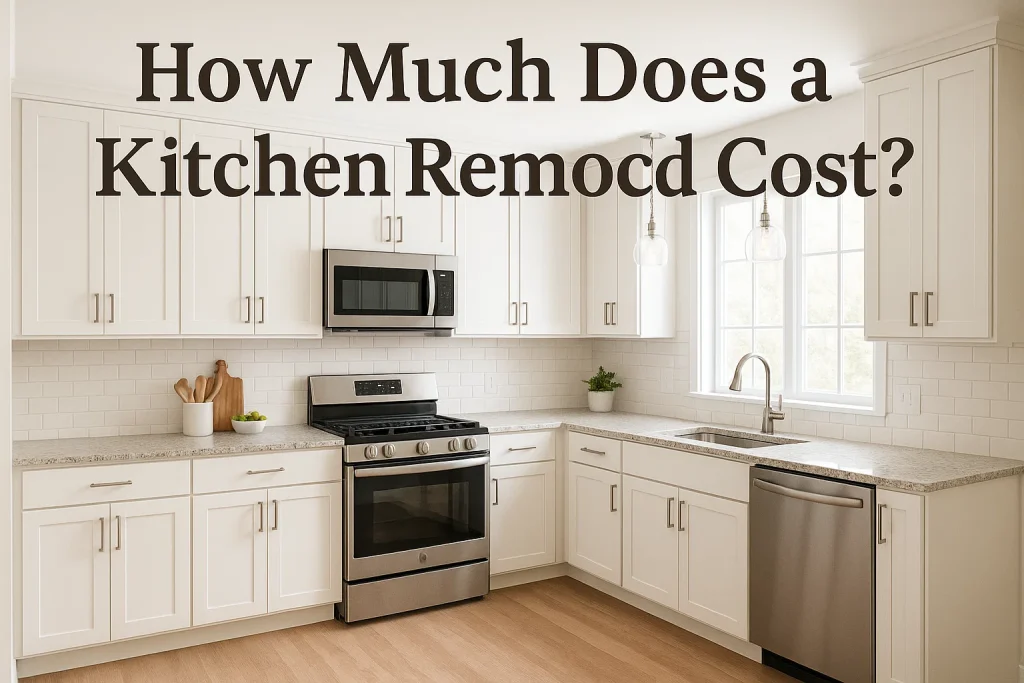
Are you dreaming of a kitchen makeover but worried about the cost? You’re not alone.
Remodeling a kitchen is an exciting yet daunting task, and the price tag can often be a major concern. But don’t let fear hold you back. Understanding the costs involved in transforming your kitchen can empower you to make informed decisions.
Imagine walking into a space that’s not only functional but also reflects your style and taste. It’s possible, and it might be more affordable than you think. Stick with us as we break down the expenses and help you create a budget that turns your vision into reality. You’ll discover the secrets to achieving your dream kitchen without breaking the bank. Ready to dive in? Let’s uncover how much it will really cost to remodel your kitchen.
Factors Affecting Kitchen Remodel Costs
Kitchen remodel costs depend on factors like size, materials, and labor. High-end appliances and finishes increase expenses. Planning and budgeting help manage costs effectively.
Size And Layout
The size of the kitchen matters. Bigger kitchens cost more to remodel. Layout changes can add to the expense. Moving walls or plumbing increases costs.
Materials And Finishes
Materials can vary greatly in price. Granite countertops are more costly than laminate. Custom cabinets add to the cost. Choices in flooring impact the budget.
Appliances And Fixtures
High-end appliances cost more. Energy-efficient models can save money long-term. Lighting fixtures and faucets also affect the total price.
Labor And Contractor Fees
Hiring a contractor is a big expense. Skilled labor charges vary. Experienced workers may cost more. Permits and inspections add to the fees.
Budgeting For A Kitchen Remodel
A kitchen remodel can be exciting but also costly. It’s important to set a realistic budget. Start by listing what you want to change. Consider appliances, cabinets, and countertops. Prioritize what is most important to you. This helps avoid overspending. Get quotes from different contractors. Compare their prices. Always add 10% extra for unexpected costs. This helps cover surprises during the remodel.
Efficient fund allocation is key to a successful remodel. Divide your budget into categories. Allocate more funds to essential items. These include plumbing and electrical work. Less crucial items can get smaller portions. Research average costs in your area. This will help you plan better. Adjust your budget if needed. Ensure every dollar is spent wisely.
- Reuse existing cabinets if they are in good condition.
- Shop for discounts on appliances and materials.
- Do some work yourself, like painting.
- Choose cost-effective materials that look good.
- Plan your remodel during off-peak times for better deals.
Cost Breakdown By Kitchen Components
Understanding the cost breakdown by kitchen components is key to planning a remodel. Cabinets, countertops, and appliances are major expenses. Flooring, lighting, and plumbing also contribute to overall costs.
Cabinets And Countertops
Cabinets can be the most expensivepart of a kitchen remodel. Prices vary by material and design. Basic cabinets start at $100 per unit. Custom options can exceed $500 per unit. Countertops range from $20 to $200 per square foot. Granite and quartz are popular but pricier choices. Laminate is cheaper but less durable.
Flooring Options
Flooring choices impact total cost significantly. Tile and hardwood cost more but last longer. Vinyl and laminate are budget-friendlyoptions. Prices range from $2 to $15 per square foot. Installation costs vary by material. DIY can save money but requires skill.
Lighting And Electrical Work
Lighting can change the feel of your kitchen. Basic fixtures start at $50. High-end options may cost hundreds. Electrical work requires professional help. Costs depend on the complexity of the job. Budget for $500 to $2,000.
Plumbing And Water Systems
Plumbing updates can be necessary in older kitchens. Simple tasks may cost $200 to $500. Complex jobs involving sinks or dishwashers cost more. Expect to pay up to $2,000. Always hire a licensed plumber for safety.
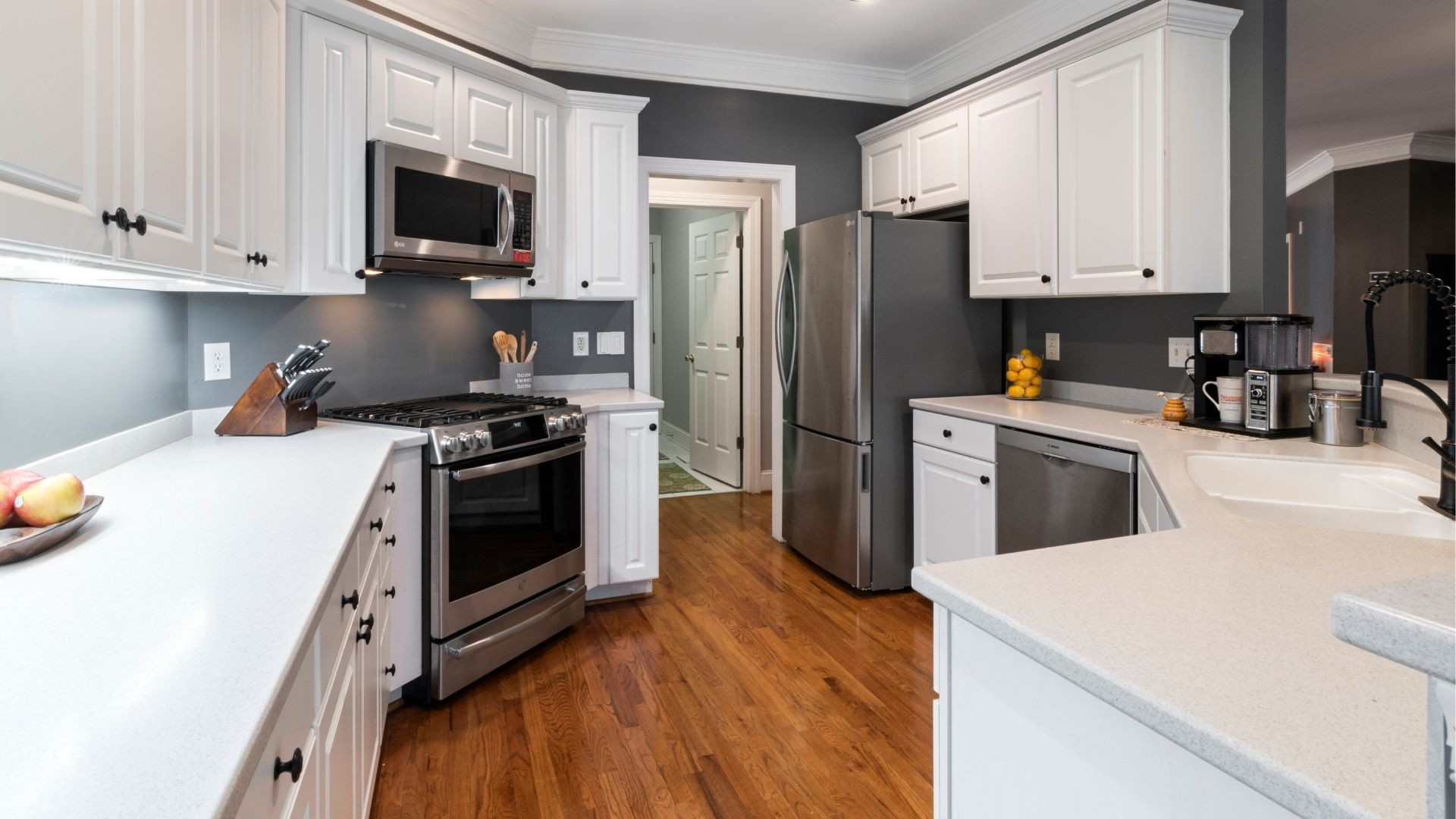
Credit: megakitchenandbath.com
Regional Cost Variations
Kitchen remodeling costs vary across regions due to labor rates and material prices. Metropolitan areas often face higher expenses compared to rural locations. Geographic factors significantly impact overall project budgets.
Urban Vs. Rural Pricing
Urban areas often have higher costs for kitchen remodeling. Labor and materials are more expensive. City permits can add extra fees. In rural areas, costs may be lower. Fewer regulations mean fewer fees. However, travel costs for contractors might be higher.
Local Market Influences
Local market conditions play a big role in pricing. Areas with strong housing demand might see higher costs. More projects mean busier contractors. This can lead to higher quotes. In slower markets, remodeling might cost less. Contractors may offer discounts to win work.
Diy Vs. Professional Remodeling
Choosing between DIY and professional remodeling impacts kitchen renovation costs. DIY can be cheaper but time-consuming and risky. Hiring professionals ensures quality but is more expensive.
Pros And Cons Of Diy
DIY remodeling can save money. You learn new skills and feel proud. But, it takes a lot of time and effort. Mistakes can be expensive. Tools and materials might cost more than expected. Safety is also a big concern. Without proper knowledge, you can get hurt.
When To Hire Professionals
Hire professionals for complex tasks. They have the right skills and tools. Professionals ensure safety and quality. They finish work faster than DIY projects. Costs might be higher, but results are better. For big kitchen changes, a pro is the best choice. They handle problems smoothly and give peace of mind.
Financing Your Kitchen Remodel
Determining kitchen remodel costs involves various factors. Cabinets, appliances, and countertops significantly influence the budget. Expect expenses to range from $10,000 to $50,000, depending on choices and kitchen size.
Loan Options
Loans help pay for kitchen remodels. Banks offer personal loans. These loans are quick but may have high interest. Home equity loansare another choice. They use your home’s value. Interest rates are often lower.
Savings And Payment Plans
Saving money is smart for remodeling. Set aside small amounts monthly. Some stores offer payment plans. You pay bit by bit instead of all at once. This makes big purchases easier.
Government Incentives
Governments sometimes give incentivesfor green remodels. These help save energy. You might get tax credits. This lowers costs. Check local programs for more info.
Trends In Kitchen Remodeling Costs
Kitchen remodeling costs vary widely based on size and materials. High-end renovations can exceed $50,000, while basic updates may start around $10,000. Trends now include sustainable materials and smart technology, influencing overall expenses.
Eco-friendly Materials
Using eco-friendly materialscan save money in the long run. These materials are often more durable. They help in lowering energy bills. Bamboo and recycled glass are popular choices. They are both sustainable and stylish. Choosing these materials reduces your carbon footprint. It’s a win for you and the planet.
Smart Technology Integration
Integrating smart technologyinto your kitchen can be pricey. Yet, it offers great convenience. Smart fridges and ovens make cooking easier. They can be controlled with your phone. Smart lights save energy and set the mood. These gadgets make kitchens modern and efficient. Investing in them can increase your home’s value.

Credit: rrbuilddesign.com

Credit: kriskonstruction.com
Frequently Asked Questions
How Much Does A Kitchen Remodel Cost?
The cost of a kitchen remodel varies based on size and materials. A basic remodel may start around $10,000, while high-end renovations can exceed $50,000. Factors like labor, appliances, and design complexity influence the final price. It’s essential to plan your budget carefully and consult professionals for accurate estimates.
What Factors Affect Kitchen Remodeling Costs?
Several factors influence kitchen remodeling costs, including the size of the kitchen, materials chosen, and labor expenses. Custom cabinetry, high-end appliances, and intricate designs increase costs. Additionally, location and contractor rates can impact your budget. Always get multiple quotes and consider your needs and preferences for the best value.
Is It Cheaper To Remodel A Small Kitchen?
Remodeling a small kitchen is often more affordable due to less space and materials needed. However, costs can still vary depending on the quality of finishes and appliances selected. Efficient space utilization and smart design choices can help maximize functionality while keeping expenses in check.
Consulting a professional designer can provide valuable insights.
How Can I Save Money On Kitchen Remodels?
To save money on kitchen remodels, consider refacing cabinets instead of replacing them. Choose affordable yet durable materials and shop around for deals on appliances. DIY tasks, like painting, can also cut costs. Planning and prioritizing essential upgrades will help you stay within budget without sacrificing quality.
Conclusion
Remodeling a kitchen involves careful budgeting. Costs can vary widely. Consider materials, labor, and design choices. Prioritize essential upgrades first. This helps manage expenses. Consult with experts to get accurate estimates. Plan for unexpected costs too. Set a budget that suits your financial situation.
A well-planned remodel can add value to your home. It enhances functionality and style. Remember, a beautiful kitchen doesn’t always mean expensive. Smart decisions make a big impact. Research thoroughly and plan wisely. This ensures a successful kitchen transformation within your budget.
Enjoy your newly remodeled kitchen!