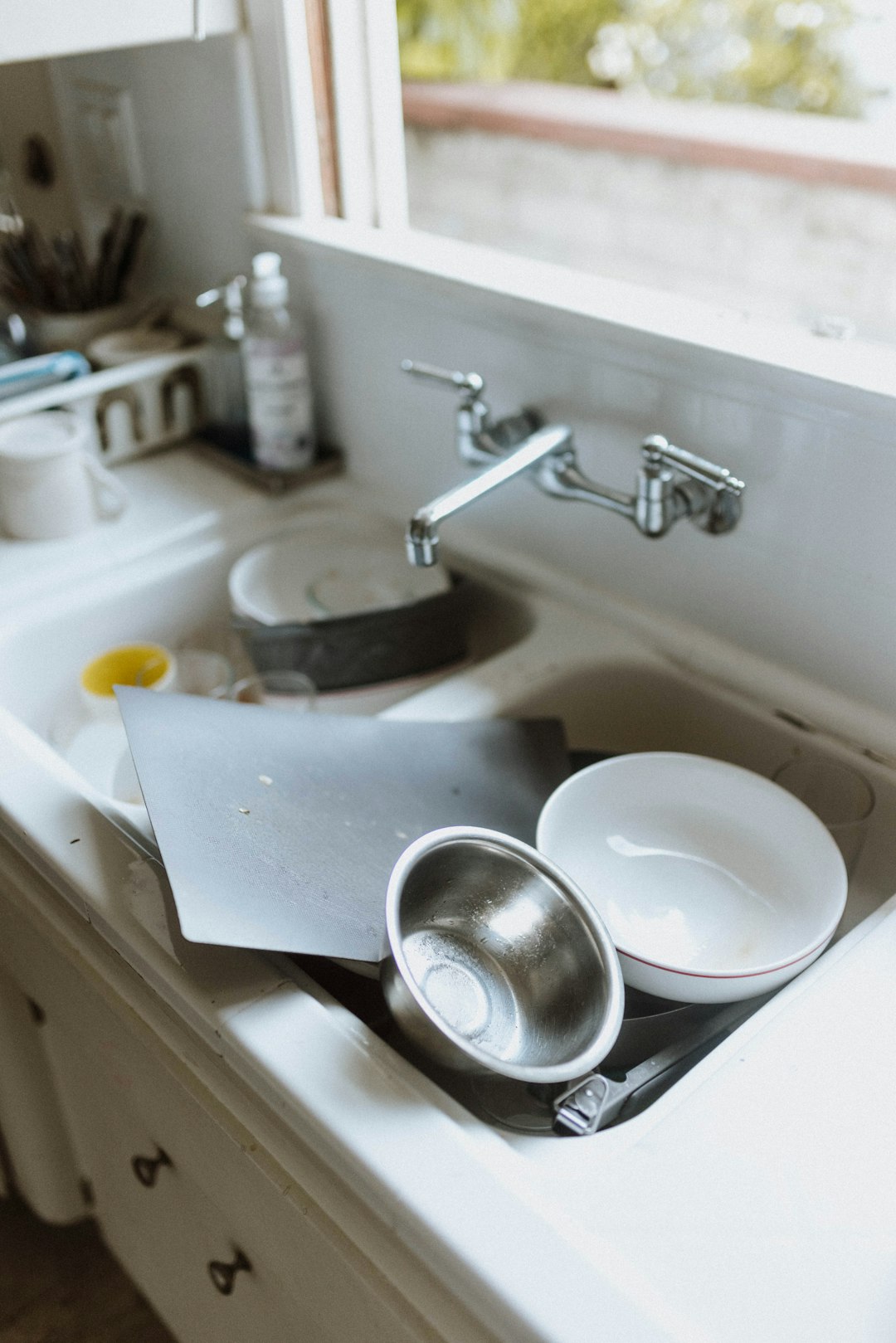
Imagine you’re in the middle of cooking dinner, and suddenly, your kitchen sink decides to stop cooperating. Water is pooling, food particles are floating, and a foul smell is starting to creep in.
It’s a frustrating scenario, isn’t it? But don’t worry, you’re not alone, and there’s a simple solution to this common household problem. You’ll discover practical, step-by-step methods to unclog your kitchen sink without breaking a sweat or calling in the professionals.
With a few everyday items and a bit of know-how, you’ll have your sink running smoothly again in no time. Let’s dive into the secrets of a hassle-free kitchen sink fix, so you can get back to cooking with peace of mind.
Common Causes Of Clogged Sinks
Food scraps, grease, and soap residue are frequent culprits behind a clogged kitchen sink. Clearing these blockages often requires simple tools like a plunger or drain snake. Regular cleaning can prevent buildup and keep your sink flowing smoothly.
Food Particles
Food particles are a common cause of clogs. Small bits can build up. They stick together and block the pipes. Scraps like rice, pasta, and coffee grounds are troublemakers. They swell and grow in water. It’s important to scrape plates before washing.
Grease Build-up
Grease is another problem. It coats the pipes. Over time, it hardens and traps other debris. Pouring hot grease down the sink is risky. It cools and turns solid fast. Use a container for old grease. Dispose of it in the trash.
Soap Residue
Soap residue can clog too. Soap mixes with minerals in water. This forms a sticky film inside the pipes. Hard water makes it worse. It creates more soap scum. Regular cleaning helps to keep pipes clear.
Foreign Objects
Foreign objects can block the sink. Sometimes small items fall in. Rings, buttons, or small toys can cause clogs. These block water flow. Always check the sink after cleaning or washing.
Essential Tools And Materials
To unclog your kitchen sink, gather some essential tools and materials. A plungeris the first tool you will need. It helps to push the clog away. Next, have a plumber’s snake. This tool can reach deep into pipes. Use it to remove stubborn clogs.
You will also need a baking sodaand vinegarmix. This creates a natural cleaning solution. Keep a buckethandy. It will catch any water or debris. A clean clothwill help wipe any spills. Finally, have a pair of rubber gloves. These will keep your hands clean and safe.
Gather these items before you start. It will make the job easier. Stay prepared and unclogging will be simple.
Using A Plunger
Using a plunger is an effective way to unclog your kitchen sink. Place the plunger over the drain, ensuring a tight seal, and pump vigorously. This action forces air and water to dislodge the blockage, clearing the sink.
Selecting The Right Plunger
A cup plunger is best for kitchen sinks. This plunger has a flat end. The rubber cup should be in good shape. Make sure the handle is strong. Avoid plungers with cracks or tears. A good grip is important. Choose a plunger that fits the sink size. Check the plunger for flexibility. It should bend easily. This helps in creating a good seal.
Proper Plunging Technique
Seal the sink overflow hole with a damp cloth. Place the plunger over the sink drain. Push down firmly to create suction. Pull up slowly for pressure release. Repeat this up and down motion. Check for water movement in the sink. If not, try again. Keep plunging until the clog clears. Be patient; it might take time.
Applying Baking Soda And Vinegar
Pour a cup of baking soda into the clogged kitchen sink. Follow with a cup of vinegar. Let the fizzing reaction work for 15 minutes, then flush with hot water. This simple method helps remove blockages.
Preparing The Mixture
Gather baking soda and white vinegar. Measure half a cup of baking soda. Pour it into the sink drain. Next, measure one cup of white vinegar. Have a small rag or stopper ready. This will keep the mixture in the drain.
Pouring And Waiting
Pour vinegar into the drain slowly. Be careful, it will fizz. Cover the drain with a rag or stopper. Wait for about 15 minutes. This gives time for the bubbles to work. They help break down the clog. After waiting, run hot water. This washes away any loosened grime. Now, your sink should drain smoothly.
Using A Drain Snake
Insert the snake into the sink drain slowly. Push it gently down the pipe. You might feel resistance. That’s the blockage. Turn the handle to twist the snake. This helps it move further. Keep pushing until you feel it go smoothly.
Once the snake is in deep, start pulling it back. Twist it while pulling. This helps grab debris. Pull it out completely. Check the snake for debris. Clean the snake if needed. Repeat if the sink is still clogged. This process may need patience.
Cleaning The P-trap
Cleaning the P-trap is a simple way to unclog your kitchen sink. First, place a bucket underneath to catch water. Then, unscrew the P-trap and clear out any debris.
Removing The P-trap
Turn off the water supply first. Place a bucket under the sink. Unscrew the nuts holding the P-trap. This helps catch any water. Pull the P-trap down gently. It may be dirty or smelly. Wear gloves to protect your hands.
Cleaning And Reinstalling
Rinse the P-trap with warm water. Use a brush to scrub inside. Remove all debris and dirt. Check for cracks or leaks. Replace it if damaged. Align the trap back in place. Tighten the nuts securely. Turn the water back on. Check for leaks after installation.
Preventative Measures
Regularly clean the sink drain to prevent clogs. Use a mixture of baking soda and vinegar monthly to maintain flow. Dispose of grease and food scraps properly to avoid blockages.
Regular Maintenance Tips
Keep your sink running smoothly with these easy tips. Use a strainer to catch food bits. This prevents clogs. Pour hot water down the drain weekly. It helps clear grease. Clean the strainer daily. Remove all trapped debris. Avoid pouring grease and oils into the sink. These can harden and block pipes. Use baking soda and vinegar monthly. Pour them down the drain to break up buildup. Regular checks can save you from big problems later.
Avoiding Common Mistakes
Never force large food scraps down the drain. This can block pipes. Do not use chemical drain cleaners often. They can damage pipes over time. Always use cold water when using the garbage disposal. It helps solidify any fats or oils. Avoid overloading the disposal. Feed it small amounts at a time. Keep utensils and hard items out of the sink. They can cause clogs or damage. Be mindful of what goes down the drain.
When To Call A Professional
Sometimes fixing the sink can be tough. If water won’t drain, it might be time for help. Smelly water coming back up can mean a big problem. Hearing odd sounds from the pipes is another sign. It’s smart to get help if these things happen.
Using a plunger or snake didn’t work? Professionals have strong tools that can fix it. They know how to keep pipes safe, too. If the clog is deep, it’s hard to reach by yourself. Experts can find and fix hidden problems.
Feeling unsure or worried about pipes? That’s a good reason to call. It’s better to be safe than sorry. Professionals can fix it right and fast. This keeps your kitchen running smoothly.
Frequently Asked Questions
What Causes A Kitchen Sink To Clog?
Food scraps, grease, and soap can block pipes. Over time, these build up and cause clogs.
Can I Use Baking Soda To Unclog A Sink?
Yes. Pour baking soda and vinegar down the drain. Let it fizz, then rinse with hot water.
Is Boiling Water Effective For Unclogging?
Yes. Pour boiling water slowly into the drain. It can help dissolve minor grease clogs.
How Often Should I Clean My Sink Drain?
Clean monthly to prevent clogs. Regular maintenance keeps pipes clear and functioning well.
Are Chemical Drain Cleaners Safe To Use?
Use with caution. They can damage pipes if overused. Natural methods are safer and eco-friendly.
When Should I Call A Plumber?
If clogs persist or worsen. Professional help ensures no damage to pipes or fixtures.
Conclusion
Unclogging your kitchen sink doesn’t have to be stressful. With these simple steps, you can tackle minor clogs with ease. Always keep basic tools handy, like a plunger and baking soda. Regular maintenance prevents future blockages. Remember, not all clogs need professional help.
Try these methods first. If the problem persists, consult a plumber. Safety is key. Wear gloves and protect your eyes. A clean sink means a healthy kitchen. Enjoy cooking without worries. Keep your sink flowing smoothly. Follow these tips and maintain a clog-free kitchen.
Happy cleaning!