Is that drip, drip, drip from your kitchen faucet driving you crazy? A leaky faucet isn’t just annoying—it can waste a surprising amount of water and increase your bills.
But before you call a plumber, there’s good news: you can fix it yourself. You’ll learn simple, step-by-step ways to stop that leak for good. Keep reading, and you’ll save money, protect your home, and enjoy a quiet, drip-free kitchen again.
Identify The Leak Source
Check around the faucet base, handles, and spout for any dripping or wet spots. Pinpointing the exact leak source helps fix the problem faster. Understanding where water escapes saves time and effort during repairs.
Check Faucet Handles
Turn the handles to see if water leaks. A worn-out seal may cause leaks. Tighten any loose screws. If the handle drips, replace the gasket. Make sure to shut off the water supply first. This helps avoid a bigger mess.
Inspect Spout And Base
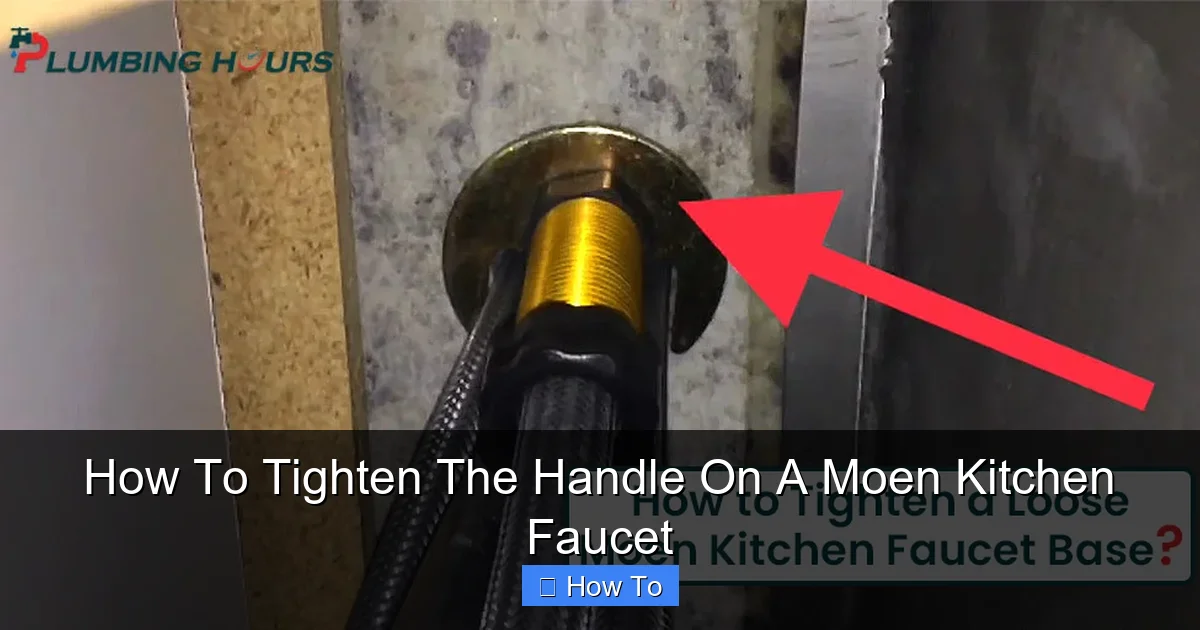
Check the spout for drips. A cracked spout can leak water. Inspect the base for pooling water. Water may seep from a loose connection. Tighten the spout or base if needed. Use a wrench carefully to avoid damage.
Look For Drips Under Sink
Check under the sink with a flashlight. Look for wet spots or drips. Leaks can come from pipes or connections. Tighten loose connections with pliers. Replace worn-out washers to stop leaks. Be careful, some pipes might be fragile.

Credit: www.youtube.com
Gather Essential Tools
Essential tools help fix a leaky kitchen faucetfast. Wrenches and screwdrivers are key. A pipe wrenchor adjustable wrench fits most nuts and bolts. A flathead and Phillips screwdriver helps remove screws easily.
Replacement parts like washers, O-rings, and cartridgesstop leaks. These parts wear out and cause drips. Keep some common sizes handy for quick fixes.
Sealants and tape create tight seals. Plumber’s tapewraps around threads to stop water leaks. Silicone sealant fills gaps and cracks. Both protect against water damage.
Turn Off Water Supply
Locate the shutoff valvesbeneath the sink. These valves control water flow to the faucet. Turn them clockwiseto close and stop water. If no individual valves exist, turn off the main water supply.
Open the faucet handles to drain remaining water. This step prevents water from spilling when fixing the faucet. Keep the faucet open until no water flows out.
Fix Common Faucet Types
Compression faucets stop leaks by tightening the valve seat. Use a wrench to remove the faucet handle. Then, replace the worn-out rubber washers inside. Tighten all parts back carefully to avoid damage.
Cartridge faucets need a new cartridge to fix leaks. Start by turning off the water supply. Remove the handle and pull out the cartridge. Replace it with a new one matching the model. Reassemble and test for leaks.
Handle ball faucets have several small parts inside. Check the springs, cam, and ball for wear or damage. Replace worn parts to stop drips. Apply plumber’s grease to smooth movement. Tighten all screws firmly.
Ceramic disk faucets are durable but can leak too. Remove the top handle and unscrew the ceramic disk cylinder. Clean any debris or mineral buildup. Replace seals if damaged. Reassemble the faucet carefully to ensure a tight fit.
Replace Worn-out Parts
A leaky kitchen faucet often needs worn-out partsreplaced. Start by changing the washers and O-rings. These small pieces stop water from leaking around the handle and spout. Old washers can become hard or cracked over time.
Cartridges control water flow inside the faucet. Swapping out a damaged cartridgecan fix leaks and improve water flow. Make sure to buy the right cartridge for your faucet model.
Upgrading faucet components can also help. Newer parts may last longer and work better. This is a good option if your faucet is old or parts are hard to find.
- Turn off water supply before starting repairs.
- Use the right tools to avoid damage.
- Keep parts organized during replacement.
Credit: handy-vibes.com
Test For Leaks After Repair
Turn the water supply back on slowly to avoid pressure shocks. Open the faucet fully and watch for any leaks. Tighten any loose connections using a wrench or pliers. Check under the sink and around the faucet base carefully. Use a dry cloth to spot small drips that may be hard to see. Let the water run for a few minutes to ensure no leaks appear. If you find a drip, tighten fittings or replace worn parts immediately. Test all handles and spray hoses as well. Confirm that no water pools or drips after repair. This simple check saves water and prevents damage.
Prevent Future Leaks
Regular checks help catch leaks early. Tighten loose parts and clean faucet areas often. Use a soft cloth to avoid scratches.
Hard water can cause buildup and damage. Installing a water softener helps reduce this problem. Wiping faucets dry after use also stops mineral deposits.
Choosing strong, durable parts matters. Rubber washers and O-rings wear out quickly. Replace them with high-quality materials for longer life. Quality parts save time and money in repairs.

Credit: www.tiktok.com
Frequently Asked Questions
How Do I Fix A Leaking Kitchen Faucet Quickly?
First, turn off the water supply. Then, replace worn-out washers or O-rings. Tighten loose parts carefully. Test for leaks after reassembly. This simple fix often stops drips fast and prevents water waste.
What Causes A Kitchen Faucet To Leak?
Leaking usually results from damaged washers, O-rings, or seals. Mineral buildup can also cause leaks. Worn-out cartridges or loose parts contribute too. Regular maintenance helps avoid these issues and extends faucet life.
Can I Fix A Kitchen Faucet Leak Myself?
Yes, many leaks are DIY-friendly. Basic tools like wrenches and screwdrivers are needed. Follow step-by-step guides for your faucet type. If unsure, consult a plumber to avoid damage or costly repairs.
When Should I Replace A Leaking Kitchen Faucet?
Replace if leaks persist after repairs or faucet is old. Frequent leaks waste water and increase bills. New faucets offer improved efficiency and style. Consider replacement for long-term savings and convenience.
Conclusion
Fixing a leaky kitchen faucet saves water and money. Small drips can cause big problems over time. Tighten parts or replace worn washers to stop leaks. Regular checks keep your faucet working well. Simple steps prevent costly repairs later. Taking action now helps your home stay efficient.
Don’t let a drip turn into a flood. A working faucet makes daily tasks easier. Keep your kitchen dry and quiet with these tips.