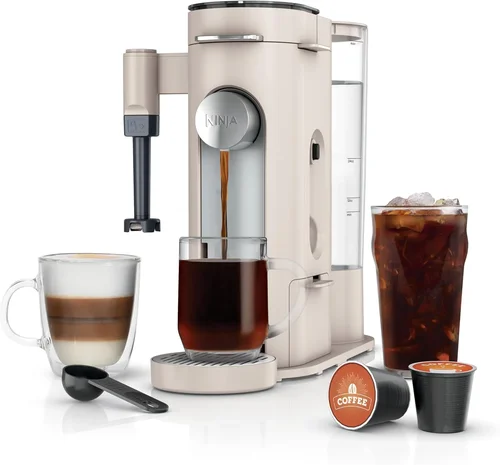
Welcome, fellow coffee lovers! There’s an undeniable magic in the aroma of freshly brewed coffee, a daily ritual that elevates mornings and fuels afternoons. For many, the journey to that perfect cup begins with ground coffee. While the market is saturated with options – from whole bean grinders to pod-based systems – the humble ground coffee machine remains a cornerstone for convenience, quality, and consistency.
Choosing the best ground coffee machine, however, is far from a simple task. The sheer variety can be overwhelming, with countless models boasting different features, brewing methods, and price tags. This comprehensive buying guide is your compass through the complex world of coffee makers, designed to equip you with the knowledge and confidence needed to select a machine that perfectly suits your preferences, lifestyle, and budget.
In this guide, we’ll peel back the layers of marketing jargon and delve into the critical factors that truly define a great ground coffee machine. You’ll learn about various brewing technologies, essential features, common pitfalls to avoid, and how to allocate your budget wisely. By the end, you’ll be an expert, ready to make an informed decision and brew delightful coffee for years to come.

What to Look for When Buying Buying Guide
Navigating the world of ground coffee machines requires understanding the core elements that contribute to a superior brewing experience. Here’s what truly matters:
1. Brewing Technology & Performance
The heart of any ground coffee machine lies in its brewing technology. This encompasses how water is heated, dispersed, and how effectively it extracts flavor from your ground coffee. For automatic drip machines, look for models with a precise heating element that can reach and maintain the optimal brewing temperature (typically between 195°F and 205°F or 90°C and 96°C). Uniform water dispersion, often achieved through a multi-stream showerhead, is crucial for saturating all coffee grounds evenly, ensuring a balanced extraction without over or under-brewing. Espresso machines, on the other hand, rely on high-pressure pumps (9-15 bars) to force hot water through finely ground coffee, producing a concentrated shot. Understanding the specific mechanism will give you insight into the quality and consistency of the final brew.
2. Capacity & Serving Needs
Consider how much coffee you typically consume and how many people you’re brewing for. Ground coffee machines come in a wide range of capacities, from single-serve personal brewers to large 14-cup pots. A single-serve machine is ideal for individuals or those who prefer variety in their daily cup. A 4-6 cup machine is often suitable for couples or small households. Larger 10-14 cup models are perfect for families, entertaining guests, or offices. Over-sizing can lead to wasted coffee and energy, while under-sizing means constant re-brewing. Think about your busiest mornings and social habits to gauge the right capacity for your lifestyle.
3. Build Quality & Materials
A ground coffee machine is an investment, and its longevity largely depends on its build quality and the materials used. Stainless steel components, durable plastics, and thick glass or insulated thermal carafes signify a well-made machine. Flimsy plastic housing or lightweight components can indicate a shorter lifespan and potential for issues. Pay attention to how the buttons feel, the solidity of the carafe handle, and the fit of removable parts. High-quality materials not only enhance durability but also contribute to better thermal retention and easier cleaning, ultimately improving your overall ownership experience.
4. Features & Customization
Modern ground coffee machines offer a plethora of features designed to enhance convenience and customize your brew. Programmable timers are invaluable for waking up to a fresh pot. Brew strength selectors allow you to adjust the intensity of your coffee, from mild to bold. Automatic shut-off features are crucial for safety and energy saving. Integrated water filters can improve taste by reducing impurities. Keep warm functions are standard on most drip machines but vary in duration and effectiveness. For espresso machines, features like steam wands for milk frothing, integrated grinders (though we’re focusing on ground coffee, some can do both), and PID temperature control offer significant customization. Prioritize features that genuinely add value to your daily routine, rather than getting swayed by gimmicks you won’t use.
5. Ease of Use & Cleaning
A ground coffee machine should simplify your routine, not complicate it. Look for intuitive controls, clearly marked buttons, and easy-to-fill water reservoirs and coffee baskets. Removable parts that are dishwasher-safe significantly simplify the cleaning process. Descaling alerts or self-cleaning cycles are also highly beneficial for maintaining your machine’s performance and extending its life. An accessible water tank and a wide-mouth carafe make daily refills and cleaning less of a chore. If a machine looks overly complex or difficult to disassemble for cleaning, it might lead to frustration and neglected maintenance down the line.
6. Budget & Value Proposition
Your budget will naturally guide your choices, but it’s essential to think about value, not just price. A cheaper ground coffee machine might save you money upfront but could disappoint with inconsistent brewing, poor durability, or a lack of desired features. Conversely, the most expensive model isn’t always the best fit if its advanced capabilities go unused. Determine what features are non-negotiable for you and seek out machines that offer those at a fair price point for their quality and brand reputation. Consider the long-term cost of ownership, including filter replacements or potential repairs, when evaluating the overall value.
7. Brand Reputation & Support
A reputable brand often translates to reliable products, better customer service, and readily available spare parts. Established names in the coffee industry have built their reputation on consistent quality and support. Research brands known for their ground coffee machines and read reviews not just on product performance, but also on their warranty claims and customer service experiences. A strong warranty indicates the manufacturer’s confidence in their product. Knowing that a company stands behind its products can provide significant peace of mind, especially for higher-investment machines.
Different Types of Buying Guide
The world of ground coffee machines is diverse, each type offering a unique brewing experience tailored to different preferences. Understanding these categories is key to finding your perfect match.

Common Buying Mistakes to Avoid
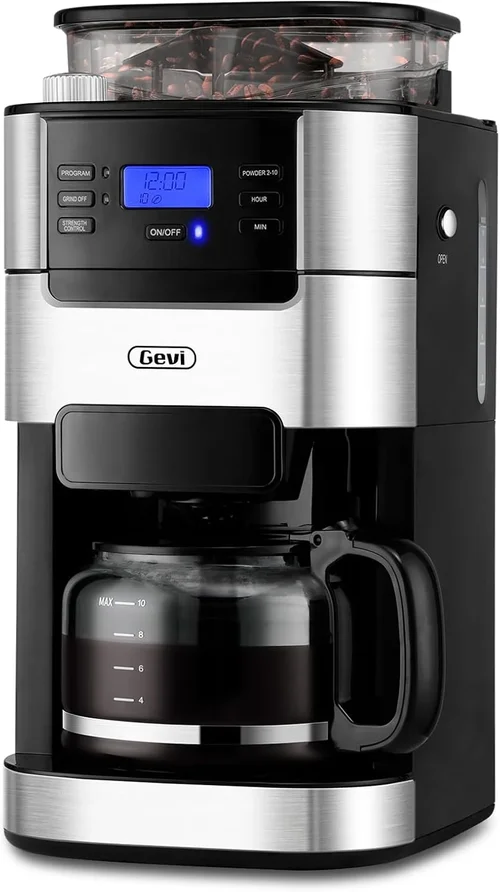
Making an informed decision about your next ground coffee machine means being aware of the common missteps buyers often make. Avoiding these can save you money, frustration, and ensure a more satisfying brewing experience.
❌ Mistake: Prioritizing Price Over Quality
Why it’s bad: While a low price tag can be tempting, extremely cheap ground coffee machines often cut corners on heating elements, showerhead design, and material quality. This can lead to inconsistent brewing temperatures, uneven extraction, and a coffee that tastes weak or bitter. Moreover, cheaper plastics can degrade over time, affecting flavor and durability.
What to do instead: View your ground coffee machine as an investment in your daily happiness. Set a realistic budget and focus on finding the best quality within that range. Look for features like precise temperature control, even water dispersion, and durable materials, even if it means spending a little more upfront. A quality machine will pay for itself in consistent, delicious coffee and longevity.
❌ Mistake: Ignoring Your Actual Coffee Consumption Habits
Why it’s bad: Buying a massive 14-cup ground coffee maker when you live alone and only drink one cup a day leads to wasted coffee and unnecessary counter space. Conversely, a single-serve machine for a family of four can be inefficient and frustrating, requiring constant refills and repetitive brewing cycles.
What to do instead: Be honest about your daily and weekly coffee needs. Consider how many cups you drink, how many people in your household drink coffee, and if you frequently entertain guests. Match the capacity of the machine to your lifestyle. If you’re single but occasionally host, a 6-8 cup machine might be a versatile compromise.
❌ Mistake: Overlooking Cleaning and Maintenance Requirements
Why it’s bad: All ground coffee machines require regular cleaning and descaling to perform optimally and prevent mold or mineral buildup. If a machine is difficult to clean with intricate parts or hard-to-reach areas, you’re less likely to do it regularly. This can lead to decreased performance, poor coffee taste, and a shorter lifespan for your machine.
What to do instead: During your research, pay close attention to reviews mentioning ease of cleaning. Look for machines with removable, dishwasher-safe components, wide-mouth carafes, and accessible water reservoirs. Features like descaling alerts or self-cleaning functions can be a huge bonus. Prioritize convenience in maintenance to ensure your machine stays in top condition.
❌ Mistake: Neglecting Water Quality
Why it’s bad: Coffee is 98% water. Using tap water directly from the faucet, especially if it’s hard or chlorinated, can significantly impact the taste of your coffee and lead to mineral buildup in your machine. Hard water scale can clog heating elements and reduce efficiency over time.
What to do instead: Invest in a water filter or use filtered water with your ground coffee machine. Many higher-end machines come with integrated water filters. If yours doesn’t, a simple Brita pitcher or faucet filter can make a dramatic difference in the taste of your coffee and extend your machine’s life. Always consult your machine’s manual for descaling instructions and perform it regularly.
❌ Mistake: Falling for Unnecessary Gimmicks
Why it’s bad: Manufacturers often add numerous features to ground coffee machines that sound appealing but may not genuinely enhance your brewing experience or are simply redundant. For instance, an overly complex touchscreen interface might be less user-friendly than simple buttons, or a “specialty brew” setting might just be a glorified strong brew option.
What to do instead: Identify the core features you absolutely need (e.g., programmable timer, auto shut-off, strength control) and don’t get swayed by features you’ll rarely use. Focus on machines that excel at their primary function: brewing excellent coffee. Prioritize reliable performance and ease of use over a long list of seldom-used extras.
❌ Mistake: Not Reading User Reviews and Expert Opinions
Why it’s bad: Relying solely on manufacturer descriptions can be misleading. User reviews offer real-world insights into a ground coffee machine’s performance, durability, and any quirks or common issues it might have. Expert reviews, meanwhile, provide a technical perspective and comparative analysis.
What to do instead: Before making a purchase, spend time reading a variety of user reviews on multiple retail sites. Look for recurring themes, both positive and negative. Also, consult reputable coffee-focused websites or consumer reports for expert opinions. A balanced perspective from both users and experts will give you the most accurate picture of a machine’s true strengths and weaknesses.
Budget Guidelines: How Much Should You Spend?
The price range for ground coffee machines is incredibly vast, from budget-friendly models to luxurious, professional-grade systems. Understanding what to expect at different price tiers can help you set a realistic budget and find the best value for your money.
Entry-Level ($30 – $80)
What to expect: In this range, you’ll primarily find basic automatic drip coffee makers, often with glass carafes and minimal features. Expect simple on/off switches, a basic hot plate, and possibly a brew pause function. While they get the job done, temperature consistency and even water dispersion might not be their strong suits, potentially leading to less-than-optimal flavor extraction. Build quality is usually functional plastic.
Mid-Range ($80 – $250)
Sweet spot for most buyers: This is where you start seeing significant improvements in performance and features for ground coffee machines. You’ll find SCA-certified drip coffee makers that ensure optimal brewing temperature and consistency. Programmable timers, brew strength selectors, and thermal carafes (which keep coffee hot longer without scorching) become common. You’ll also encounter entry-level single-serve machines with reusable pod options and some basic semi-automatic espresso machines. Build quality improves with more stainless steel accents and sturdier plastics.
Premium ($250 – $600)
For enthusiasts and professionals: At this level, you’re investing in superior brewing technology, robust build quality, and a wider array of advanced features. Expect PID temperature control for precise heat management, bloom cycles (pre-infusion) for better extraction, and high-quality thermal carafes. Semi-automatic espresso machines in this range offer better pumps, steam wands, and durability. Automatic pour-over brewers that meticulously mimic manual methods also fall here. Materials like brushed stainless steel are prevalent, and design aesthetics are often a focus.
Luxury ($600+)
Top-tier features and performance: This category is for true coffee connoisseurs and those who demand the absolute best in home brewing. You’ll find fully automatic espresso machines that grind beans, tamp, brew, and even froth milk at the touch of a button. High-end semi-automatic espresso machines with dual boilers, professional-grade steam wands, and exceptional customization options are also here. Expect commercial-grade components, sophisticated electronics, and often sleek, minimalist designs. These machines offer unparalleled consistency, durability, and a truly elevated coffee experience.
Expert Tips for Getting the Best Deal
Finding the perfect ground coffee machine doesn’t just mean selecting the right model; it also involves smart shopping to ensure you get the best value for your investment. Here are some expert tips to help you navigate the retail landscape.
1. Timing Your Purchase for Seasonal Sales
The retail calendar is full of opportunities to snag a ground coffee machine at a discount. Major sales events like Black Friday, Cyber Monday, Prime Day, and post-holiday clearances (January) are excellent times to buy. Keep an eye out for discounts around specific gift-giving holidays like Mother’s Day or Father’s Day, as coffee makers are popular presents. Mid-summer sales can also yield unexpected deals as retailers clear inventory.
2. Comparing Online vs. In-Store Retailers
Online retailers (Amazon, Wayfair, manufacturer websites) often offer a wider selection and competitive pricing, sometimes including free shipping. However, in-store shopping (department stores, specialty kitchen stores) allows you to physically inspect the ground coffee machine, assess its build quality, and often speak with knowledgeable sales associates. Some stores might offer price matching for online deals. Use a combination: research online, then visit a store if possible to get a hands-on feel, and finally, purchase from wherever the best deal is.
3. Utilizing Price Tracking Tools
Before you commit to a purchase, use online price tracking tools (like CamelCamelCamel for Amazon or various browser extensions) to monitor the price history of your desired ground coffee machine. This can help you identify genuine sales versus inflated “discounts” and predict when a better price might emerge. Set up price alerts so you’re notified immediately when the price drops.
4. Understanding Warranty and Extended Protection
Always review the manufacturer’s warranty carefully. A standard warranty for ground coffee machines typically ranges from one to three years. Understand what it covers (parts, labor) and what voids it. Be wary of aggressively pushed extended warranties from retailers; often, your credit card might offer similar purchase protection benefits for free. Assess the cost versus the likelihood of needing repairs based on reliability reviews.
5. Checking Return Policies Thoroughly
Even with thorough research, sometimes a ground coffee machine isn’t the right fit once you get it home. Familiarize yourself with the retailer’s return policy, especially for larger appliances. Look for details on return windows, restocking fees, and whether returns are accepted if the product has been used. A generous return policy can provide peace of mind in case the machine doesn’t meet your expectations.
6. Reading Beyond the Hype: Critical Review Analysis
Don’t just skim reviews; read them critically. Pay attention to reviews from verified purchasers and look for common themes. Does multiple feedback mention a specific flaw (e.g., leaky carafe, inconsistent temperature)? Balance positive reviews with negative ones to get a comprehensive understanding. Also, consider the reviewer’s experience level; a coffee enthusiast’s perspective might differ from a casual user’s.

Frequently Asked Questions
As you embark on your journey to find the perfect ground coffee machine, you’re bound to have questions. Here are some of the most common inquiries, answered comprehensively to help you make an informed decision.
Q: What’s the ideal temperature for brewing ground coffee?
A: For optimal extraction of flavor from ground coffee, the water temperature should be between 195°F and 205°F (90°C and 96°C). Water that is too cool will result in under-extracted, weak, and sour coffee, while water that is too hot can lead to over-extracted, bitter, and burnt-tasting coffee. Many high-quality automatic drip ground coffee machines are designed to meet this “golden cup” standard set by the Specialty Coffee Association (SCA).
Q: How often should I clean and descale my ground coffee machine?
A: Cleaning should be done daily or after each use for components that come into contact with coffee (carafe, filter basket). Descaling, which removes mineral buildup from the heating elements and water lines, should be done every 1-3 months, depending on your water hardness and how frequently you use the machine. Neglecting descaling can significantly impact the machine’s performance, shorten its lifespan, and degrade the taste of your coffee. Most manufacturers recommend using a vinegar-water solution or a commercial descaling agent.
Q: Can I use pre-ground coffee in an espresso machine?
A: While you technically can, using pre-ground coffee in an espresso machine is generally not recommended for optimal results. Espresso requires a very fine, consistent grind, and pre-ground coffee is often too coarse or inconsistent for proper extraction. Using unsuitable grounds can lead to a watery shot, poor crema, and can even clog your machine. For the best espresso, it’s ideal to grind whole beans just before brewing, or choose an espresso machine with an integrated grinder if you prioritize convenience.
Q: What’s the difference between a glass carafe and a thermal carafe?
A: A glass carafe typically sits on a heated warming plate, which keeps the coffee hot but can continue to “cook” the coffee, potentially leading to a burnt taste over time. A thermal carafe, usually made of double-walled stainless steel, insulates the coffee, keeping it hot for several hours without an external heat source. This method preserves the coffee’s flavor profile much better. For taste preservation and energy efficiency, a thermal carafe is generally preferred, especially if you plan to enjoy your coffee over an extended period.
Q: Are single-serve ground coffee machines environmentally friendly?
A: Traditional single-serve pod systems generate a significant amount of plastic waste. However, many ground coffee machines in the single-serve category now offer reusable filter cups or baskets. These allow you to use your own preferred ground coffee, reducing waste and often saving money in the long run. When considering a single-serve machine, prioritize models that are compatible with reusable filters to minimize your environmental footprint.
Q: Does a more expensive ground coffee machine always make better coffee?
A: Not necessarily. While higher-priced machines often boast superior components, more precise controls, and advanced features, simply spending more doesn’t guarantee a perfect cup. A well-maintained mid-range ground coffee machine, paired with quality fresh ground coffee and good water, can produce excellent results. The key is to match the machine’s capabilities with your specific needs and preferences, and ensure it offers the fundamental brewing elements (correct temperature, even saturation) that contribute to good coffee, regardless of price.
Q: How does water filtration impact the taste of my coffee?
A: Water makes up about 98% of your coffee, so its quality profoundly affects the final taste. Chlorine and other impurities in tap water can impart off-flavors, masking the delicate nuances of your coffee beans. Additionally, hard water contains minerals that can create scale buildup in your machine. Using filtered water eliminates these contaminants, allowing the true flavor of your ground coffee to shine through, resulting in a cleaner, more vibrant, and better-tasting brew.
Q: What’s the benefit of a “bloom” or “pre-infusion” feature?
A: A bloom or pre-infusion feature on a ground coffee machine wets the grounds with a small amount of hot water just before the main brewing cycle begins, then pauses briefly. This allows the coffee grounds to degas (release trapped CO2), leading to a more even saturation and a fuller, more complete extraction of flavors. It’s particularly beneficial for fresh ground coffee and can significantly enhance the complexity and aroma of your final cup, similar to manual pour-over techniques.
Our Final Recommendations
Choosing the ultimate ground coffee machine involves a blend of personal preference, practical needs, and budget considerations. Based on our comprehensive analysis, here are our final recommendations tailored to different user profiles:
Best for Budget-Conscious Buyers:
Look for a well-reviewed basic automatic drip coffee maker with a manual on/off switch and a simple glass carafe. Brands like Black+Decker or Hamilton Beach often offer reliable, no-frills models that consistently deliver a decent cup without breaking the bank. Prioritize one that’s easy to clean and has a decent showerhead for even water distribution. While it won’t have all the bells and whistles, it will reliably make a pot of coffee for your daily routine.
Best Overall Value:
The sweet spot for most users is an SCA-certified automatic drip ground coffee machine with a thermal carafe, a programmable timer, and a brew strength selector. Models from brands like Bonavita, Cuisinart (higher-end models), or Technivorm Moccamaster (though approaching premium price) offer excellent temperature control, even extraction, and maintain coffee quality for hours. This combination provides both convenience and consistently delicious coffee, making it a sound long-term investment.
Best Premium Option:
For those seeking superior performance and durability, a high-end automatic pour-over brewer or a sophisticated semi-automatic espresso machine is ideal. For drip, models that precisely mimic manual pour-over methods, ensuring bloom cycles and exact temperature, deliver unparalleled clarity of flavor. If espresso is your passion, a semi-automatic machine with a durable portafilter, quality steam wand, and PID temperature control provides exceptional control and delicious shots, inviting you into the art of espresso making.
Best for Beginners:
A straightforward 8-10 cup automatic drip coffee maker with a simple interface and a “brew pause” feature is perfect for beginners. Machines from brands like Proctor Silex, Mr. Coffee, or basic Cuisinart models are typically user-friendly, forgiving, and require minimal technical knowledge. Focus on models that are easy to fill, brew quickly, and have clearly marked settings. This simplicity allows new users to enjoy their coffee without feeling overwhelmed by complex features.
Best for Advanced Users:
Advanced users will appreciate the control offered by a semi-automatic espresso machine with a single or dual boiler, professional-grade steam wand, and potentially customizable pressure profiles. These machines allow for deep experimentation with grind size, tamp pressure, extraction time, and milk frothing techniques, pushing the boundaries of home coffee crafting. Brands like Breville (Pro series), Gaggia, or Rancilio are popular choices in this category, offering robust build and extensive customization for the true coffee enthusiast.
Conclusion: Making the Right Choice
The journey to finding your ideal ground coffee machine, while detailed, ultimately boils down to aligning a machine’s capabilities with your personal coffee preferences and lifestyle. We’ve explored the critical factors, diverse machine types, common pitfalls, and budget considerations, all designed to empower you with expert-level knowledge.
Remember, the “best” ground coffee machine isn’t a universal answer; it’s the one that consistently brews coffee to your taste, fits seamlessly into your daily routine, and offers the features you truly value. Prioritize brewing technology, capacity, and ease of cleaning, and don’t hesitate to invest a little more for quality that will pay dividends in delicious cups of coffee for years to come.
Armed with this guide, you are now well-equipped to navigate the market with confidence. Take your time, weigh your options, and soon you’ll be enjoying that perfect cup, brewed exactly the way you like it, right in the comfort of your own home. Happy brewing!