Imagine transforming your kitchen with a simple upgrade. Picture the satisfaction of seeing a sleek new faucet gleaming in your sink, elevating the whole room’s aesthetic.
If the thought of installing a new kitchen sink faucet seems daunting, you’re not alone. But here’s the secret: you can do it yourself, and it’s easier than you might think. With just a few tools and a bit of guidance, you can replace your old faucet and give your kitchen a fresh look.
This guide will walk you through each step, ensuring you have the confidence to tackle this project without any professional help. Ready to roll up your sleeves and make a change that truly stands out? Let’s dive in and get your kitchen faucet installed perfectly.
Credit: www.fontanashowers.com
Choosing The Right Faucet
Selecting the perfect faucet can be fun and important. First, consider the styleof your kitchen. Does it have a modern or classic look? Choose a faucet that matches. Next, think about the finish. Popular choices include chrome, stainless steel, or bronze. Each has its unique charm.
Functionalityis also key. Some faucets have single handles, while others have two. Single handles are easier to use. Two handles give more control over water temperature. Finally, check the heightand reachof the faucet. Ensure it fits well with your sink. A high arc faucet is good for filling big pots.
Remember, the right faucet makes your kitchen look great. It also makes cooking and cleaning easier. Choose wisely!
Gathering Necessary Tools
Before starting, gather all the tools needed. This makes the job easy. A wrench is a must-have tool. It helps to tighten and loosen nuts. A screwdriver is useful for removing screws. A basin wrench can reach tricky spots. Plumber’s tape prevents leaks. It seals the threads well. Towels keep the area dry and clean. A bucket catches any water spill. Check if you have the right faucet parts. This includes washers and nuts. Having everything ready saves time.
- Wrench– Tighten and loosen nuts.
- Screwdriver– Remove screws.
- Basin Wrench– Reach tricky spots.
- Plumber’s Tape– Prevent leaks.
- Towels– Keep area dry.
- Bucket– Catch water spills.
- Faucet Parts– Includes washers and nuts.
Removing The Old Faucet
First, turn off the water supplyto the sink. This prevents any leaks. Check under the sink for shut-off valves. Turn them to close the water.
Next, use a wrench to loosen the nutsholding the faucet. These nuts are usually located underneath the sink. Make sure to wear gloves for safety.
Once the nuts are loose, pull the faucetup. Be careful not to damage the sink. If the faucet is stuck, use a knife to carefully cut any sealant.
Finally, clean the area where the old faucet was. Remove any leftover sealantor debris. This ensures a smooth surface for the new faucet.

Credit: www.youtube.com
Preparing The Sink Area
First, turn off the water supply. This stops leaks. Check both hot and cold lines. Use a wrench to make sure valves are tight. Next, clear the area under the sink. Remove any cleaning supplies or bins. This gives you room to work. Cover the drain with a cloth. This keeps small parts from falling in. Gather the necessary tools. You need a wrench, tape, and a basin wrench. Place them nearby for easy access. Now, remove the old faucet. Loosen the nuts holding it in place. Lift it out carefully. This might be a bit tricky. Have patience.
Inspect the sink holes. Make sure they are clean and free of rust. If needed, use a brush to clean them. Finally, read the instructions for your new faucet. Each model is a little different. Knowing the steps helps the process go smoothly.
Installing The New Faucet
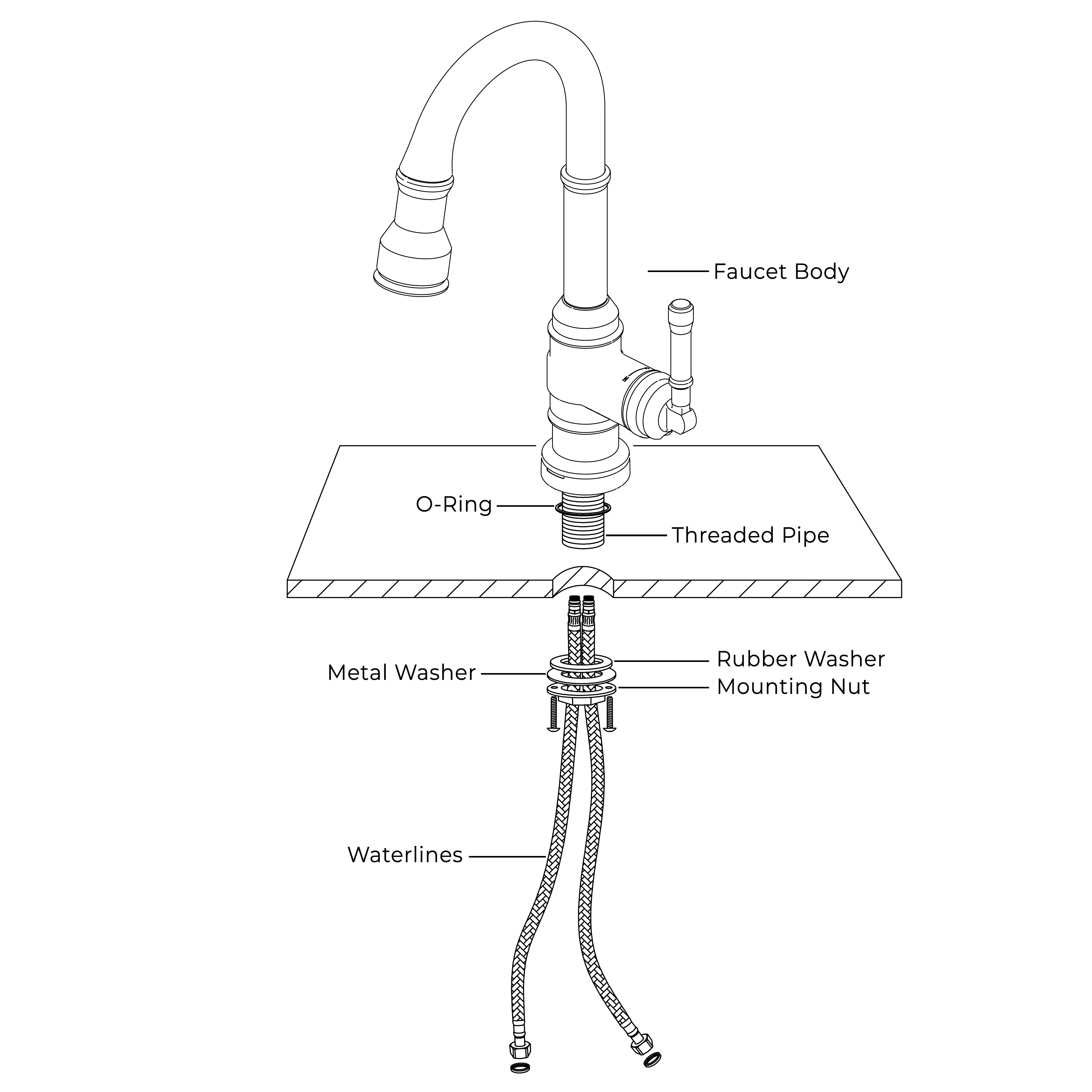
Start by placing the faucet in the sink hole. Ensure it’s aligned properly. Secure it with nuts underneath the sink. Use a wrench to tighten the nuts. Be careful not to overtighten them. This could damage the sink or faucet.
Connect the water supply lines. Make sure they fit tightly. Use plumbers tape on the threads. This helps prevent leaks. Turn on the water and check for leaks. Make adjustments if needed.
Attach the faucet handles securely. Check that they turn smoothly. If they feel tight, loosen them slightly. Test the faucet by running water. Ensure water flows well from both hot and cold sides.
Finally, clean up the area. Remove any tools and debris. Your sink faucet is now ready to use!
Testing And Final Adjustments
Turn on the water carefully. Check for any leaks around the faucet. Tighten connections if you see water dripping. Look for smooth water flow. Make sure hot and cold water work well. Adjust handles to feel comfortable. Test for easy movement. Ensure the sprayer works without splashes.
Inspect the base of the faucet. Look for gaps or uneven surfaces. Make sure it sits flat on the sink. Adjust the faucet to sit straight. Ensure the finish looks shiny and clean. Check the aerator for clogs. Clean it if needed.
Test the water temperature. Make sure it changes quickly. Listen for any strange noises. Adjust the faucet to reduce noise. Ensure the faucet works quietly. Check for any wobbly parts. Tighten them to make it sturdy.

Credit: www.tiktok.com
Frequently Asked Questions
How Do I Prepare For Faucet Installation?
Begin by gathering all necessary tools and materials. Turn off the water supply and clear the area under the sink. Ensure you have the right faucet and read the manufacturer’s instructions carefully. Preparing properly will streamline the installation process, making it easier and more efficient.
What Tools Are Needed For Installing A Faucet?
You’ll need adjustable wrenches, a basin wrench, plumber’s tape, and a screwdriver. These tools help secure the faucet, ensure proper fitting, and prevent leaks. Having these ready before starting will save time and reduce frustration during installation.
Can I Install A Faucet Without Professional Help?
Yes, you can install a faucet without professional help. Follow the manufacturer’s instructions and ensure you have the necessary tools. Many faucets come with detailed guides, making DIY installation straightforward for homeowners with basic plumbing skills.
How Do I Remove The Old Faucet?
First, turn off the water supply and disconnect the water lines. Use a wrench to loosen nuts and remove the old faucet. Ensure you clean the area thoroughly before installing the new faucet to ensure a smooth and secure fit.
Conclusion
Installing a new kitchen sink faucet is easier than you think. With simple tools, you can complete this task quickly. Remember to turn off the water supply first. Follow each step carefully for the best results. A new faucet can make your kitchen look fresh.
Enjoy the satisfaction of doing it yourself. If you face issues, consult the instruction manual. Now, your kitchen sink is ready for use. You’ve learned a handy skill today. Happy plumbing!