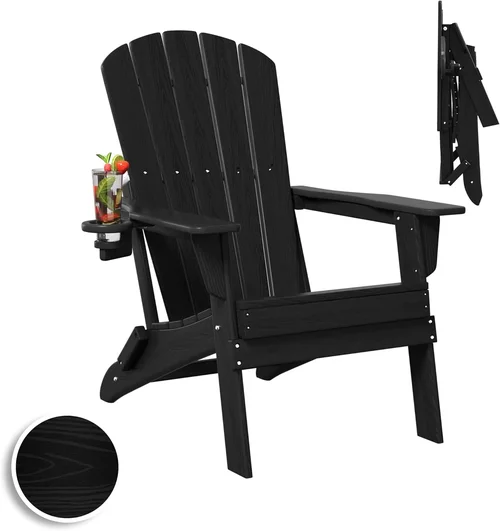
When you picture an Adirondack chair, what comes to mind? Is it the classic, rustic wooden design nestled on a sprawling porch, or perhaps a vibrant, weather-resistant version gracing a modern patio? These iconic chairs are synonymous with relaxation, offering a unique blend of comfort and timeless aesthetic. However, beneath their inviting silhouette lies a crucial decision point that significantly impacts their longevity, maintenance, and overall enjoyment: the material from which they are crafted. Choosing the right material for your Adirondack chair isn’t merely a matter of preference; it’s an investment in countless hours of outdoor serenity, a reflection of your lifestyle, and a testament to understanding what truly stands up to the elements.
This comprehensive guide is designed to navigate the often-overwhelming landscape of Adirondack chair materials. We understand that stepping into the world of outdoor furniture can feel like venturing into uncharted territory, with terms like “HDPE,” “cedar,” “teak,” and “cypress” vying for your attention. Our goal is to demystify these options, providing you with an expert-level understanding presented in a clear, conversational tone. By the end of this article, you’ll be equipped with the knowledge to confidently select an Adirondack chair that not only looks beautiful but also performs flawlessly for years to come, perfectly aligning with your specific needs, climate, and aesthetic vision.
From understanding the nuances of different wood types to exploring the innovative benefits of recycled plastics and metals, we will delve deep into each material’s strengths and weaknesses. We’ll cover everything from initial cost and long-term maintenance to environmental impact and how each material holds up against varying weather conditions. Whether you’re seeking a chair that requires minimal fuss, one that develops a beautiful patina over time, or an eco-friendly option, this guide will illuminate the path to making an informed decision, ensuring your chosen Adirondack chair becomes a beloved fixture in your outdoor oasis.

Key Factors When Choosing Your Adirondack Chair Material
Choosing the ideal material for your Adirondack chair goes beyond just looks. It involves weighing several practical aspects that will influence your ownership experience. Think of it like buying a car; you wouldn’t just pick one based on color, would you? The same thoughtful consideration applies here. Here are the key factors you should meticulously evaluate before making your purchase.
1. Durability & Longevity
Detailed explanation of this factor, why it matters, what to look for: Durability refers to a material’s ability to withstand wear, pressure, or damage over time, while longevity speaks to how long the product can reasonably be expected to last. For outdoor furniture like Adirondack chairs, durability is paramount because they are constantly exposed to the elements – sun, rain, snow, wind, and fluctuating temperatures. A highly durable material will resist cracking, warping, rotting, fading, and insect infestations. Why does this matter? Simply put, a more durable material means a longer lifespan for your chair and fewer replacement costs down the line. When evaluating materials, look for inherent resistance to UV rays, moisture, and pests. For woods, density often correlates with durability. For plastics, look for virgin versus recycled content (though high-quality recycled plastics are excellent) and UV stabilizers. Always consider how the material holds up to heavy use, especially if your chairs will see frequent action.
2. Maintenance Requirements
Detailed explanation of this factor, why it matters, what to look for: This factor refers to the effort, time, and resources needed to keep your Adirondack chair in good condition. Some materials are practically “set it and forget it,” while others demand regular attention to maintain their appearance and structural integrity. Why does this matter? Your free time is valuable. If you prefer to spend weekends relaxing rather than sanding, staining, or oiling furniture, a low-maintenance material will be a better fit. Conversely, if you enjoy the hands-on aspect of woodworking and find satisfaction in preserving natural wood, a higher-maintenance option might appeal. When assessing, ask yourself: Does it need regular cleaning? Does it require sealing, painting, or oiling annually? Is it prone to mildew or staining that needs special treatment? Materials like HDPE or aluminum typically require minimal maintenance (just soap and water), while natural woods often demand more rigorous care.
3. Aesthetic Appeal & Style
Detailed explanation of this factor, why it matters, what to look for: The look and feel of your Adirondack chair are critical to how it integrates into your outdoor living space. Different materials offer distinct visual textures, colors, and overall vibes. Why does this matter? Your outdoor furniture should complement your home’s architecture, existing decor, and personal taste. A rustic cabin might call for the warmth of natural cedar, while a modern minimalist patio could benefit from the sleek lines and consistent color of HDPE. Consider whether you prefer a natural, weathered look, a vibrant pop of color, or a classic, understated elegance. Also, think about how the material will age; some woods develop a beautiful silver-gray patina, while plastics retain their color. The style of the chair itself—whether it’s a traditional wide-plank design or a more contemporary interpretation—will also be influenced by the material choices available.
4. Comfort & Ergonomics
Detailed explanation of this factor, why it matters, what to look for: While the iconic Adirondack design is inherently comfortable for most, the material itself can influence the seating experience. Factors like surface temperature, flexibility, and smoothness play a role. Why does this matter? The whole point of an Adirondack chair is relaxation! You want to sit in it for extended periods without discomfort. Some materials, particularly metals, can become very hot in direct sunlight, or surprisingly cold in chillier weather. Woods offer a more neutral temperature but can develop splinters if not well-maintained. HDPE tends to maintain a more moderate temperature. Also, consider the feel against the skin—some materials are smoother than others. While the design largely dictates ergonomics, the material contributes to the tactile and thermal comfort, influencing how enjoyable your lounging experience truly is.
5. Environmental Impact & Sustainability
Detailed explanation of this factor, why it matters, what to look for: For many discerning buyers today, the environmental footprint of a product is a significant concern. This factor involves evaluating where the material comes from, how it’s processed, and what happens to it at the end of its life. Why does this matter? Choosing sustainable options contributes to responsible consumption and reduces your impact on the planet. Look for materials that are sustainably sourced (e.g., FSC-certified wood), made from recycled content (like HDPE plastic), or are inherently recyclable themselves. Consider the manufacturing process—does it involve harmful chemicals or excessive energy consumption? And importantly, think about the product’s end-of-life: can it be recycled, repurposed, or will it simply end up in a landfill? Opting for materials that have a lower environmental impact throughout their lifecycle can be a powerful purchasing driver.
6. Budget & Price Range
Detailed explanation of this factor, why it matters, what to look for: The initial purchase price is often a primary consideration for many buyers. Different materials fall into vastly different price brackets, from budget-friendly options to premium investments. Why does this matter? Everyone has a budget, and understanding what you get for your money is crucial for making a smart financial decision. While it might be tempting to opt for the cheapest chair, remember that a low upfront cost can sometimes lead to higher long-term expenses due to premature replacement or intensive maintenance. Conversely, a higher initial investment in a durable, low-maintenance material can save money and effort over time. Look beyond just the sticker price; consider the total cost of ownership, including potential maintenance supplies, covers, and expected lifespan. Balance your immediate financial constraints with the value and longevity you desire.
7. Climate & Weather Resistance
Detailed explanation of this factor, why it matters, what to look for: The specific climate where your Adirondack chair will reside is a critical, often overlooked, factor. Materials react differently to various environmental conditions. Why does this matter? A material that thrives in a dry, arid climate might quickly deteriorate in a humid, coastal environment, and vice-versa. Consider your local weather patterns: Is there intense sun exposure? High humidity? Frequent rain? Freezing temperatures and snow? Salt spray from the ocean? Look for materials explicitly rated for outdoor use in your specific conditions. For example, some woods are naturally resistant to rot and insects, making them ideal for humid climates. HDPE is excellent for all-weather conditions due to its impermeability and UV stability. Metals need proper coating to prevent rust in wet environments. Matching the material to your climate ensures maximum lifespan and minimal hassle.
8. Weight & Portability
Detailed explanation of this factor, why it matters, what to look for: This factor considers how heavy the chair is and, consequently, how easy it is to move, store, or rearrange. Why does this matter? If you plan to frequently reconfigure your outdoor space, move chairs for storage during winter, or take them to different locations (e.g., from patio to lawn), then a lighter, more portable material will be highly advantageous. Heavy materials, while often signifying robustness, can make moving difficult, requiring more effort or even multiple people. For stationary setups, weight might be less of a concern and could even be a benefit, offering stability against strong winds. Look for the chair’s weight specification and consider if it’s manageable for your needs. Materials like aluminum are very light, while some hardwoods and HDPE can be quite substantial.
Comparing Adirondack Chair Materials: A Detailed Look

Each material category brings its own unique set of advantages and considerations to the table, influencing everything from the initial purchase to the long-term upkeep and overall aesthetic contribution to your outdoor space. Let’s delve a bit deeper into some of the most popular choices.
Natural Wood: This is the quintessential Adirondack chair material. Woods like Western Red Cedar and Cypress are highly favored for their natural resistance to rot, decay, and insect infestation, primarily due to their intrinsic oils. They possess a beautiful grain, a pleasant aroma, and develop a charming silvery-gray patina over time if left untreated. Pine is a more budget-friendly option but requires more maintenance, usually needing painting or staining and offering less natural resistance to the elements. For the ultimate in wooden outdoor furniture, Teak and Shorea are king. These tropical hardwoods are incredibly dense, rich in natural oils, and boast unparalleled resistance to all forms of weather, rot, and pests. They are a significant investment but can last for decades with minimal care, often outliving their owners. The primary trade-off with most natural woods is the need for some maintenance (sealing or oiling) to preserve their original color and prevent drying or cracking, or embracing their natural weathering process.
HDPE (High-Density Polyethylene): Often referred to as “recycled plastic lumber,” HDPE chairs are rapidly gaining popularity for their incredible durability and virtually zero maintenance. Made from post-consumer plastics like milk jugs and detergent bottles, these chairs are an eco-friendly choice. HDPE is impervious to moisture, does not rot, crack, chip, splinter, or absorb water. It’s highly resistant to UV fading, meaning its vibrant colors (which are integrated throughout the material) stay true for years. While the initial cost can be higher than some woods, the long-term savings on maintenance and replacement often make it a more economical choice. HDPE chairs are also heavier than many wood or resin alternatives, offering excellent stability even in windy conditions. They feel substantial and often mimic the look of painted wood.
Aluminum/Metal: While less traditional for the classic Adirondack design, metal chairs, particularly aluminum, offer a sleek, modern aesthetic and impressive durability. Aluminum is naturally rust-resistant and lightweight, making it easy to move. Often, these chairs are powder-coated, which provides an extra layer of protection against scratches and weather while allowing for a wide range of colors. Steel or wrought iron can also be used, offering immense strength and weight, but require more diligent rust prevention. The main consideration with metal is its thermal conductivity; it can get very hot in direct sun and quite cold in low temperatures, which might impact comfort unless cushions are used. They are generally very low maintenance, requiring only occasional cleaning.
Resin/Plastic (Injection Molded): These are typically the most budget-friendly Adirondack chairs. Made from virgin plastic through injection molding, they are lightweight, often stackable, and come in a wide array of colors. While highly affordable and requiring almost no maintenance, their durability and longevity are generally lower than HDPE or high-quality wood. They can become brittle over time due to UV exposure, leading to cracking or fading, and may not withstand strong winds as effectively. These are excellent for temporary setups, poolside use, or for those seeking an extremely economical option without long-term investment expectations.
Common Buying Mistakes to Avoid

Navigating the world of Adirondack chair materials can be tricky, and it’s easy to fall into common traps that lead to buyer’s remorse. By being aware of these pitfalls, you can make a more informed and satisfying decision.
❌ Mistake: Prioritizing Initial Price Over Long-Term Value
Why it’s bad: Many buyers are tempted by the lowest price tag, especially for something that seems as simple as a chair. However, a cheaper chair often translates to lower quality materials, less durable construction, and ultimately, a shorter lifespan. You might save money upfront, but if you have to replace the chair every few years, or spend significant time and money on constant repairs and maintenance, the true cost quickly escalates. This leads to frustration and can be more expensive in the long run than investing in a higher-quality product.
What to do instead: Look beyond the initial sticker price and consider the “total cost of ownership.” Factor in the material’s expected lifespan, maintenance requirements (time and cost of sealants, paints, cleaning supplies), and potential replacement frequency. A mid-range HDPE or quality wood chair might seem more expensive initially, but its minimal upkeep and decades-long lifespan often make it the more economical and satisfying choice over time.
❌ Mistake: Ignoring Your Local Climate and Weather Conditions
Why it’s bad: What works beautifully in a dry desert climate might warp and rot in a humid coastal environment, or crack in freezing temperatures. Failing to consider your specific weather patterns means you could choose a material ill-suited for its outdoor home, leading to rapid deterioration, aesthetic decline, and premature failure.
What to do instead: Research how different materials perform in your specific climate. If you live in a rainy, humid area, prioritize materials naturally resistant to rot and mildew like Teak, HDPE, or treated aluminum. For intense sun, focus on UV-resistant materials like HDPE or woods with natural UV stability (or those you commit to regularly treating). If temperatures fluctuate wildly, look for materials that are stable across a broad thermal range and won’t crack or become brittle.
❌ Mistake: Underestimating Maintenance Requirements (or Your Willingness to Perform Them)
Why it’s bad: Many attractive natural wood chairs require annual sealing, oiling, or painting to maintain their appearance and protect them from the elements. If you buy such a chair without realizing or accepting this commitment, you’ll either end up with weathered, deteriorating furniture or resent spending your precious free time on upkeep. This leads to dissatisfaction and a neglected outdoor space.
What to do instead: Be brutally honest with yourself about your tolerance for maintenance. If you prefer a “set it and forget it” approach, then HDPE or powder-coated aluminum are your best bets. If you enjoy hands-on projects and the ritual of caring for natural wood, then cedar, cypress, or teak might be perfect for you. Always read the manufacturer’s care instructions and factor that into your decision.
❌ Mistake: Not Checking the Build Quality and Hardware
Why it’s bad: Even if you choose a great material, poor construction can negate its benefits. Cheap hardware, flimsy joints, or inadequate fasteners will lead to wobbly, unsafe, and short-lived chairs. Screws might rust, joints might loosen, and the entire chair could collapse prematurely, regardless of whether it’s made of excellent wood or HDPE.
What to do instead: Pay close attention to how the chair is assembled. Look for sturdy construction, securely fastened joints (mortise and tenon are excellent for wood, robust screws and bolts for HDPE), and high-quality, corrosion-resistant hardware (like stainless steel). Read reviews about assembly difficulties and the chair’s stability. A well-built chair feels solid and secure, regardless of its material.
❌ Mistake: Buying Without Considering Comfort and Ergonomics (or Testing If Possible)
Why it’s bad: Adirondack chairs are designed for comfort, but variations in dimensions, back angles, and seat height exist. A chair might look perfect in a picture, but if it doesn’t fit your body type or preferred lounging style, it will quickly become an unused ornament. The material itself can also impact comfort (e.g., getting too hot).
What to do instead: If possible, sit in the actual chair or a similar model before buying. Pay attention to the seat depth, back angle, armrest height, and overall feel. Consider if the material will get too hot or cold in your climate. If buying online, read user reviews specifically mentioning comfort for various body types. Ensure the chair’s dimensions align with your expectations for comfortable relaxation.
Budget Guidelines: How Much Should You Spend?
Understanding the typical price ranges for Adirondack chairs based on their material can help set realistic expectations and guide your budget. Remember, these are general guidelines, and prices can fluctuate based on brand, design, features (like folding mechanisms), and current market conditions.
- Entry-Level ($50 – $150): What to expect…
At this price point, you’ll primarily find chairs made from injection-molded resin or pine wood. Expect basic designs and minimal features. Resin chairs will be lightweight, often stackable, and come in limited colors. While very affordable and easy to clean, they tend to be less durable against UV rays and physical wear, often fading or becoming brittle over time. Pine chairs will likely require significant assembly, ongoing maintenance (painting/staining), and are less resistant to rot and insects than higher-grade woods. These are best for occasional use, temporary setups, or if budget is the absolute primary constraint and you’re prepared for a shorter lifespan.
- Mid-Range ($150 – $400): Sweet spot for most buyers…
This category offers the best balance of quality, durability, and value for many consumers. You’ll find good quality cedar, cypress, or fir wood chairs here. These woods offer natural resistance to decay and pests, a beautiful aesthetic, and a reasonable lifespan with moderate maintenance. You’ll also start to see basic models of HDPE (recycled plastic) chairs in this range. These HDPE options provide excellent weather resistance and very low maintenance. At the higher end of this range, wood chairs will often feature better joinery and more robust construction. This is an excellent tier for those seeking a reliable, attractive chair that will last many years with appropriate care.
- Premium ($400 – $800): For enthusiasts and those seeking lasting quality…
Stepping into the premium segment brings you into the realm of higher-grade materials and superior craftsmanship. Here, you’ll find top-tier HDPE chairs with elaborate designs, thicker lumber, and more vibrant, fade-resistant colors. These chairs are incredibly durable, almost maintenance-free, and designed to withstand the harshest elements for decades. You’ll also encounter chairs made from exotic hardwoods like Shorea, which boasts impressive natural durability similar to teak but often at a slightly lower price point. Expect excellent stability, ergonomic design, and a significant warranty in this range. These chairs are for buyers who want an investment piece that truly endures.
- Luxury ($800+): Top-tier features, exquisite materials, and unparalleled longevity…
This is where you find the crème de la crème of Adirondack chairs. The primary material at this level is often Grade A Teak, renowned for its unparalleled natural durability, resistance to all weather, and beautiful aging process. Chairs in this range showcase exceptional craftsmanship, often with intricate joinery, custom designs, and superior comfort. You might also find highly specialized or designer HDPE models with unique features or exceptionally heavy-duty construction. These chairs are built to last a lifetime (or even generations) with minimal fuss, offering a truly heirloom-quality piece of outdoor furniture. Buyers at this level prioritize ultimate longevity, prestige, and a virtually maintenance-free, exquisite experience.
When setting your budget, remember to consider not just the upfront cost but the long-term value, maintenance commitment, and how often you’ll truly use and enjoy the chair. An investment in a higher-tier material often pays dividends in reduced hassle and extended lifespan.

Expert Tips for Getting the Best Deal
Finding the perfect Adirondack chair at the right price requires a bit of savvy and strategic timing. As an expert in outdoor furnishings, I’ve gathered some actionable tips to help you secure the best deal without compromising on quality.
- When to Buy: Seasonal Sales are Key.
The best time to buy outdoor furniture is typically at the end of the season. Think late summer (August-September) or early fall (October) when retailers are clearing out inventory to make way for indoor furniture or holiday items. You can often find significant discounts, sometimes 30-50% off. Alternatively, look for sales around major holidays like Memorial Day, Father’s Day, or the Fourth of July, though selection might be better, discounts usually aren’t as deep as end-of-season clearances. January and February can also offer deals as retailers anticipate spring stock but before demand peaks.
- Where to Buy: Online vs. In-Store.
Online Retailers: Offer a vast selection, competitive pricing (due to lower overhead), and convenience. You can easily compare materials, read reviews, and find unique brands not available locally. However, you can’t physically inspect the chair or sit in it. Look for free shipping and generous return policies.
Specialty Outdoor Furniture Stores: Often have knowledgeable staff, allow you to see and touch materials, and test the comfort. They typically carry higher-quality brands and provide excellent customer service and assembly options. Prices might be slightly higher, but the experience and support can be invaluable.
Home Improvement Stores: Offer a mid-range selection, often with good seasonal sales. Quality can vary, so inspect carefully.
Direct from Manufacturer: Some high-end HDPE or specialty wood brands sell directly, which can sometimes cut out retail markups, but verify their return and warranty policies. - How to Spot Deals: Don’t Just Look for a Discount.
A “deal” isn’t just a lower price; it’s getting great value. Look for bundled offers (e.g., two chairs plus a side table), free shipping promotions, or clearance sections for floor models or slightly damaged items (inspect thoroughly!). Sign up for email newsletters from your favorite retailers; they often announce exclusive sales. Use price tracking tools or browser extensions to monitor price changes over time and alert you when a desired item hits your target price.
- Understand Warranty Considerations.
A strong warranty is a powerful indicator of a manufacturer’s confidence in their product. For durable materials like HDPE and high-quality wood, look for warranties of 10 years or more against material defects, fading, or structural integrity. A lifetime warranty on HDPE is not uncommon and signals exceptional quality. Understand what the warranty covers (e.g., fading, cracking, rust) and for how long. A good warranty protects your investment and provides peace of mind.
- Always Check Return Policies.
Especially when buying online, a clear and reasonable return policy is non-negotiable. What’s the return window? Is there a restocking fee? Who pays for return shipping? A lenient return policy allows you to evaluate the chair in your own space, ensuring it meets your expectations for comfort, aesthetics, and overall quality without financial risk.
- Test Before Buying (If Possible).
This cannot be stressed enough, particularly for comfort. If you’re buying a chair that you plan to spend hours in, try to sit in it! Feel the material, check the stability, and assess the ergonomics. Is the back angle comfortable? Are the armrests at the right height? Does it feel sturdy? If buying online, read reviews from people with similar body types to yours, and ensure the dimensions are clearly listed so you can measure your own space and even create a rough mock-up.
- Consider “Open Box” or Floor Models.
Some retailers offer discounts on open-box items or floor models. These can be great deals, but always inspect them thoroughly for any damage, missing parts, or excessive wear. Ask about the warranty – sometimes it might be reduced for these items.

Frequently Asked Questions
Q: What is the most durable material for an Adirondack chair?
A: High-Density Polyethylene (HDPE) is widely considered the most durable material for Adirondack chairs due to its extreme resistance to weathering, UV fading, moisture, rot, insects, and splintering. High-quality tropical hardwoods like Teak also offer exceptional durability and longevity, often lasting for decades with minimal maintenance, thanks to their natural oil content and density.
Q: Do Adirondack chairs made from recycled plastic (HDPE) get hot in the sun?
A: While all materials absorb some heat in direct sunlight, HDPE chairs generally maintain a more moderate surface temperature compared to dark-colored metals. Lighter colored HDPE chairs will reflect more sunlight and stay cooler than darker ones. They typically cool down very quickly once the sun is off them or with a slight breeze, making them comfortable for most conditions.
Q: How much maintenance do wooden Adirondack chairs require?
A: The level of maintenance varies significantly by wood type. Pine chairs usually require annual painting or staining to protect them. Cedar and Cypress offer better natural resistance but benefit from annual sealing or oiling to retain their original color and prevent drying/cracking; otherwise, they will weather to a silver-gray patina. Teak and Shorea require the least maintenance among woods; they can be left untreated to weather beautifully to a silver-gray without compromising their structural integrity, or they can be oiled annually to maintain their golden-brown color.
Q: Are wooden Adirondack chairs susceptible to rot or insect damage?
A: Yes, some woods are more susceptible than others. Softer woods like pine are vulnerable to rot and common wood-boring insects. However, premium woods like Western Red Cedar, Cypress, Teak, and Shorea contain natural oils and compounds that make them highly resistant to rot, decay, and insect infestation, making them excellent choices for outdoor use.
Q: Can I paint or stain an HDPE Adirondack chair?
A: It is generally not recommended to paint or stain HDPE Adirondack chairs. The color in HDPE is permeated throughout the material, meaning it won’t fade or require repainting. Additionally, traditional paints and stains often do not adhere well to the non-porous surface of HDPE and will likely peel or chip over time, compromising the material’s low-maintenance advantage.
Q: How do I clean my Adirondack chair, regardless of material?
A: For most materials (wood, HDPE, aluminum), a simple cleaning with mild soap and water, using a soft brush or cloth, is sufficient. Rinse thoroughly. For stubborn stains or mildew on wood, a diluted bleach solution or specialized outdoor furniture cleaner might be needed, followed by thorough rinsing. Always check the manufacturer’s specific cleaning recommendations for your chosen material to avoid damage.
Q: Are Adirondack chairs comfortable for everyone?
A: Adirondack chairs are known for their relaxed, reclined posture, which is comfortable for most. However, variations in design, seat depth, and back angle can affect comfort for different body types. Some find the low seat height challenging for getting in and out. If possible, test a chair before buying, or check dimensions carefully and read reviews from users of similar stature to ensure it fits your comfort preferences.
Q: What is the environmental impact of different Adirondack chair materials?
A: HDPE is considered very eco-friendly as it’s made from recycled plastics, diverting waste from landfills. Sustainably sourced woods (e.g., FSC-certified cedar or teak) are also good choices, ensuring responsible forestry. Aluminum is highly recyclable. Less sustainable options include virgin plastics or woods harvested without ethical practices. Consider the entire lifecycle, from sourcing to end-of-life recycling, when evaluating environmental impact.
Q: Can I leave my Adirondack chairs outside all year?
A: This depends heavily on the material and your climate. High-quality HDPE chairs are designed to be left outdoors year-round in most climates without issue. Teak and Shorea can also endure all seasons. Other woods like cedar or cypress can often withstand year-round exposure but will benefit greatly from covers or seasonal storage, especially in harsh winter conditions, to extend their lifespan and preserve their appearance. Metals with proper powder coating can also be left out, though cushions should be stored. Budget resin chairs are generally best stored during extreme weather.
Our Final Recommendations
Choosing the ideal Adirondack chair material is a deeply personal decision, influenced by your lifestyle, climate, budget, and aesthetic preferences. While there’s no single “best” material for everyone, we can guide you toward options that excel in specific scenarios, drawing on the comprehensive insights we’ve covered.
Best for Budget-Conscious Buyers: Pine or Resin
If your budget is a primary concern, pine wood or injection-molded resin chairs offer the most economical entry points. Pine provides a traditional look but requires more diligent maintenance and offers less inherent durability. Resin chairs are incredibly affordable and lightweight, perfect for casual use or temporary setups. Be prepared for a shorter lifespan and less weather resistance compared to premium options, but they serve their purpose admirably within a strict budget.
Best Overall Value: High-Quality HDPE (Recycled Plastic)
For most buyers seeking a fantastic balance of durability, low maintenance, and long-term value, high-quality HDPE is our top recommendation. While the initial investment is higher than basic woods or resin, HDPE chairs virtually eliminate maintenance costs and effort, standing up to all weather conditions for decades. They come in a vast array of fade-resistant colors, are often backed by substantial warranties (10+ years, sometimes lifetime), and offer an eco-friendly story. This is the “set it and forget it” champion that truly lasts.
Best Premium Option: Teak or Shorea Wood
If you desire the pinnacle of natural beauty, unparalleled durability, and an heirloom-quality piece of furniture, invest in Teak or Shorea. These tropical hardwoods are naturally rich in oils, making them incredibly resistant to rot, pests, and all weather conditions. They can be left untreated to develop a beautiful silver patina or oiled to retain their warm, golden hue. While the most expensive upfront, their longevity is unmatched, often lasting for 50 years or more with minimal fuss. They embody timeless elegance and robust performance.
Best for Classic Natural Wood Aesthetic: Western Red Cedar or Cypress
For those who love the authentic look, feel, and subtle scent of natural wood but perhaps don’t need the extreme durability of tropical hardwoods or the zero maintenance of HDPE, Western Red Cedar or Cypress are excellent choices. They offer good natural resistance to rot and insects, are lighter in weight than teak, and age beautifully. They do require moderate maintenance (sealing/oiling) if you want to preserve their original color, or you can embrace the elegant silvery-gray patina they naturally develop over time. They strike a lovely balance between rustic charm and practical outdoor performance.
Best for Modern Aesthetics & Portability: Aluminum
If your outdoor space leans more contemporary and you appreciate furniture that’s easy to move and maintain, consider powder-coated aluminum Adirondack chairs. They offer a sleek, clean look, are naturally rust-resistant (when properly coated), and are remarkably lightweight. While not the traditional Adirondack material, modern designs blend the classic form with this contemporary material, providing durable, low-maintenance seating perfect for rearranging or storing.
Conclusion: Making the Right Choice
Embarking on the journey to select the perfect Adirondack chair material can feel like a significant undertaking, but with the insights provided in this guide, you are now well-equipped to make an informed decision. We’ve dissected the critical factors, compared the leading material types, highlighted common pitfalls, and offered expert advice to help you navigate the market with confidence. From the timeless charm of natural wood to the robust resilience of recycled plastics and the sleek appeal of metals, each material brings its unique blend of advantages and considerations.
Ultimately, the “best” material is not a universal truth but rather a harmonious alignment with your personal priorities. Do you crave the rustic elegance and aroma of cedar, embracing the ritual of occasional maintenance? Or does the allure of a vibrant, “set it and forget it” HDPE chair, impervious to weather and wear, speak more to your lifestyle? Perhaps the unmatched longevity and prestige of teak, despite its premium price, resonate with your vision of an enduring outdoor sanctuary.
We encourage you to prioritize your needs above all else. Reflect on your local climate, your willingness to commit to maintenance, your aesthetic desires, and your budget. Revisit the “Key Factors to Consider” and our “Final Recommendations” to reinforce which material truly aligns with your outdoor living aspirations. By making a thoughtful, deliberate choice, you’re not just buying a chair; you’re investing in countless moments of serene relaxation and years of enjoyment in your own backyard haven. Choose wisely, and your Adirondack chair will become a cherished centerpiece, inviting you to unwind and savor the beauty of the outdoors for many seasons to come.