Welcome to the ultimate guide on how to effectively and safely unclog a kitchen sink drain. Few household dilemmas are as frustrating as a stubborn kitchen sink clog, bringing daily routines to a grinding halt. The good news is that with the right knowledge, tools, and techniques, many of these blockages can be tackled without the immediate need for a costly professional plumber. This guide is crafted to demystify the process, empower you with expert insights, and help you navigate the myriad of solutions available on the market.
In this comprehensive resource, we’ll delve into everything you need to know, from understanding the common culprits behind kitchen sink clogs to comparing various unclogging methods and products. Whether you’re dealing with a slow drain, a partial blockage, or a complete standstill, you’ll learn what to look for, what mistakes to avoid, and how to make an informed decision that saves you time, money, and hassle. We’ll cover everything from simple home remedies and manual tools to powerful chemical agents and when it’s truly time to call in the professionals.
The market for drain unclogging solutions is vast, ranging from basic plungers and enzymatic cleaners to advanced hydro-jetting systems and professional plumbing services. Our goal is to cut through the noise, providing a clear roadmap to the best approach for your specific situation. By the end of this guide, you’ll be equipped with the confidence and practical advice needed to choose the most effective and appropriate way to unclog your kitchen sink drain, ensuring your kitchen remains the heart of your home, not a source of drainage dread.
What to Look for When Buying Buying Guide
When faced with a clogged kitchen sink, the “buying guide” isn’t just about purchasing a product; it’s about choosing the right solution or method. This involves considering several critical factors to ensure effectiveness, safety, and long-term success. Making an informed decision can prevent further damage, save money, and ensure your drain stays clear.
1. Type of Clog and Severity
Understanding what’s causing the blockage is paramount. Kitchen sink clogs are typically due to grease buildup, food particles (especially starchy items like rice or pasta, and fibrous vegetables), coffee grounds, or occasionally small foreign objects. Hair is less common in kitchen sinks than bathroom drains but can contribute. A slow drain indicates a partial clog, while standing water means a full blockage. Different clog types respond to different methods; for instance, grease clogs might respond well to hot water and soap or enzymatic cleaners, whereas a solid food particle jam might require a mechanical tool. Assess if it’s a localized sink clog or if other drains in your house are also affected, which could indicate a main line issue.
2. Drain Pipe Material and Age
The material and age of your plumbing pipes significantly influence which unclogging methods are safe to use. Older homes, especially those with cast iron, galvanized steel, or PVC pipes installed decades ago, can be more susceptible to corrosion and damage. Strong chemical drain cleaners, particularly those containing harsh acids or lye, can corrode old metal pipes, melt PVC, or weaken seals, leading to leaks. Even hot water can sometimes worsen a grease clog by pushing it further down or potentially damaging weaker plastic pipes. Always identify your pipe material if possible, or err on the side of caution with gentler methods if you’re unsure, to avoid creating a bigger problem.
3. Ease of Use and Skill Level Required
Consider your comfort level and mechanical aptitude. Simple clogs often yield to a plunger or a baking soda and vinegar solution, requiring minimal skill. Hand augers or drain snakes require a bit more dexterity and patience to navigate the drain system without causing damage. Chemical drain cleaners are generally straightforward to pour but demand strict adherence to safety protocols. More advanced tools like hydro-jetters might be overkill or too complex for the average homeowner. Knowing your limits and being honest about your DIY skills can prevent frustration and potential pipe damage.
4. Environmental Impact and Safety
The environmental footprint and safety risks of your chosen solution are crucial. Chemical drain cleaners often contain powerful, corrosive substances that can harm aquatic life if they enter waterways and pose significant health risks (skin burns, respiratory irritation) if not handled properly. They also contribute to chemical waste. Enzymatic and biological cleaners, while slower, are generally safer for the environment, pipes, and people. Manual tools carry minimal environmental risk but require careful handling to avoid injury or pipe damage. Always prioritize methods that protect your health and the environment while still being effective.
5. Effectiveness and Power
You need a solution that matches the clog’s intensity. A simple plunger provides hydraulic pressure, often sufficient for minor clogs. Enzymatic cleaners work by slowly dissolving organic matter, ideal for preventative maintenance or very slow drains, but ineffective for severe blockages. Chemical cleaners offer powerful, rapid action but come with risks. Mechanical augers or snakes are effective for physically breaking through or pulling out solid obstructions, reaching deeper than plungers. For truly intractable clogs, or those deep within your main line, professional hydro-jetting offers the most powerful solution, but it’s a job for a pro. Match the power of the solution to the perceived power of the clog.
6. Versatility and Multi-Purpose Use
Some unclogging tools offer more versatility than others. A good quality plunger, for example, can often be used for sinks, toilets, and even showers, making it a valuable all-around household tool. A basic hand auger is typically designed for smaller drains but might struggle with larger or very long pipe runs. Some enzymatic cleaners can also be used as general drain maintenance products. If you’re investing in a tool, consider if it can address clogs in other areas of your home, maximizing its utility and providing better value for your money. Specialized tools, while highly effective for specific tasks, may have limited use otherwise.
7. Storage and Maintenance Requirements
Even a simple tool requires proper storage and occasional maintenance. Chemical cleaners need to be stored securely, out of reach of children and pets, in a cool, dry place. Manual drain snakes, especially longer ones, can be messy after use and need to be cleaned and stored carefully to prevent rust or tangles. Consider the space you have available and your willingness to maintain the tool. For instance, a small, compact plunger is easy to store, while a 25-foot hand auger requires more thought. Proper care ensures longevity and readiness for the next unexpected clog.
8. Price and Value
The cost of unclogging solutions varies widely, from a few dollars for baking soda and vinegar to hundreds for professional plumbing services. Assess the value proposition. A cheap chemical cleaner might seem like a bargain, but if it damages your pipes, the repair cost will far outweigh the initial savings. Investing in a quality plunger or hand auger can be a one-time cost that pays dividends over years of use. Consider not just the upfront price, but also the potential for repeat use, durability, and the risk of collateral damage. Sometimes, the most expensive option (e.g., a plumber) provides the best value by guaranteeing a permanent fix and preventing costly mistakes.
Different Types of Buying Guide
When addressing a clogged kitchen sink, you’re essentially choosing from a range of methods and products, each with its unique approach, strengths, and weaknesses. Understanding these categories is key to selecting the most appropriate solution for your specific clog. From traditional manual tools to chemical compounds and professional interventions, the options cater to different clog types, severities, and budgets.

Common Buying Mistakes to Avoid
Navigating the world of drain unclogging can be tricky, and it’s easy to fall into common pitfalls that can worsen your problem, damage your plumbing, or simply waste your money. Being aware of these mistakes will empower you to make smarter, safer choices.
❌ Mistake: Using the Wrong Type of Cleaner for the Clog
Why it’s bad: Not all clogs are created equal, and neither are all cleaners. Pouring a chemical drain cleaner designed for hair and grease into a sink clogged with a solid object (like a utensil or excessive food scraps) will not only be ineffective but can also create a dangerous chemical soup that a plumber will later have to deal with. Conversely, enzymatic cleaners are too slow for an emergency full blockage, and a plunger might not penetrate a hard, calcified buildup.
What to do instead: First, try to identify the nature of your clog. Is it slow drainage, suggesting organic buildup? Is there standing water, implying a complete blockage, possibly from food waste or grease? Or did something accidentally fall down the drain? Start with the least invasive methods (hot water, baking soda/vinegar, plunger) and only escalate to more specialized tools or chemicals once you have a better understanding of the problem. If you suspect a solid object, mechanical removal is usually the only option.
❌ Mistake: Ignoring Safety Precautions with Chemical Drain Cleaners
Why it’s bad: Chemical drain cleaners are powerful for a reason – they’re corrosive. Ignoring safety warnings like “wear gloves and eye protection,” “use in a well-ventilated area,” or “do not mix with other chemicals” can lead to severe chemical burns, respiratory issues from fumes, or even explosive reactions. Improper use can also damage your pipes, especially if they are old, weak, or made of certain plastics.
What to do instead: Always read and strictly follow the instructions on the product label. Ensure adequate ventilation by opening windows and turning on exhaust fans. Wear appropriate personal protective equipment (PPE), including chemical-resistant gloves and eye protection. Never mix different chemical drain cleaners, as this can produce dangerous gases or violent reactions. Keep children and pets away from the area during and after use.
❌ Mistake: Over-Reliance on Chemical Drain Cleaners
Why it’s bad: While convenient, frequent use of chemical drain cleaners can be detrimental. Many chemicals generate heat during their reaction, which can warp or melt PVC pipes over time. They can also corrode metal pipes, weaken seals, and potentially contribute to environmental pollution. Furthermore, if the chemical doesn’t completely clear the clog, it can sit in the pipe, making mechanical removal more hazardous for a plumber.
What to do instead: Treat chemical drain cleaners as a last resort for DIY attempts, especially for recurring clogs. For persistent issues, or if chemical cleaners don’t work after one attempt, it’s usually a sign that a mechanical solution (like an auger) or professional intervention is needed. Focus on preventative maintenance, like regular flushes with hot water, occasional baking soda/vinegar treatments, and using drain strainers, to reduce the need for harsh chemicals.
❌ Mistake: Not Identifying the Root Cause of Recurring Clogs
Why it’s bad: Simply clearing a clog without understanding why it formed is like putting a band-aid on a broken leg. If your kitchen sink keeps clogging, it’s not just bad luck; there’s an underlying issue. This could be a buildup of grease over time, improper waste disposal habits, a faulty garbage disposal, sagging pipes, or even a main sewer line problem. Repeatedly clearing the same clog will be a continuous source of frustration and expense.
What to do instead: If you experience frequent clogs, take a moment to investigate. Are you pouring grease down the drain? Are food scraps consistently overloading your garbage disposal? Is the drain slow even after clearing a clog? Consider installing better drain strainers. If the problem persists, it’s wise to consult a professional plumber. They have cameras and specialized tools to inspect the pipes and identify structural issues or deep-seated problems that DIY methods can’t address.
❌ Mistake: Ignoring Signs of a Deeper Plumbing Problem
Why it’s bad: A single clogged kitchen sink is one thing, but if multiple drains in your home (e.g., sink, toilet, shower) are backing up simultaneously, or if you hear gurgling noises from other drains when using the kitchen sink, it’s a strong indicator of a more serious main sewer line blockage. Attempting to clear these with household methods can push the problem further, exacerbate pressure issues, or cause raw sewage to back up into your home.
What to do instead: When faced with widespread drainage issues or unusual symptoms, stop all DIY efforts immediately. Turn off water to affected areas if possible. This is a clear sign to call a licensed plumber. They have the expertise and equipment (like sewer cameras and heavy-duty augers) to diagnose and fix main line blockages safely and effectively, preventing potentially costly and unsanitary raw sewage backups.
❌ Mistake: Using Excessive Force with Manual Tools
Why it’s bad: While plungers and drain snakes are excellent mechanical tools, using too much force can cause more harm than good. Aggressively plunging can dislodge pipes, especially older, weaker connections under the sink, leading to leaks. Forcing a drain snake can scratch or even puncture pipes, particularly PVC, or get stuck, turning a simple clog into a major plumbing emergency requiring professional intervention.
What to do instead: Use manual tools with a firm but controlled approach. When plunging, ensure a good seal over the drain and use consistent, rhythmic pushes and pulls. For drain snakes, feed the cable slowly and gently, rotating it to feel for the obstruction. If you meet significant resistance, avoid forcing it. Try pulling back slightly and re-angling, or consider that the clog might be beyond the reach or capability of your current tool. Patience and finesse are key with mechanical tools.
❌ Mistake: Not Properly Cleaning Tools After Use
Why it’s bad: Neglecting to clean and store your drain-clearing tools properly after use is not just unsanitary, but it can also shorten their lifespan. A drain snake caked with foul-smelling grease and debris, if stored improperly, can rust, become brittle, or harbor bacteria. A plunger left dirty can spread germs and odors around your home.
What to do instead: After clearing a clog, thoroughly rinse your drain snake or auger with hot water, preferably outdoors or in a utility sink. You can use a mild disinfectant or soap to clean off biological matter. Allow it to air dry completely to prevent rust before coiling it neatly for storage. Similarly, clean your plunger with a disinfectant and rinse it well. Proper maintenance ensures your tools are ready and hygienic for their next use.
Budget Guidelines: How Much Should You Spend?
The cost of unclogging a kitchen sink drain can range from virtually free to several hundred dollars, depending on the severity of the clog, the method chosen, and whether professional help is required. Understanding these budget tiers will help you allocate your resources effectively and avoid overspending or under-investing in a solution.
Entry-Level ($0 – $30): What to Expect
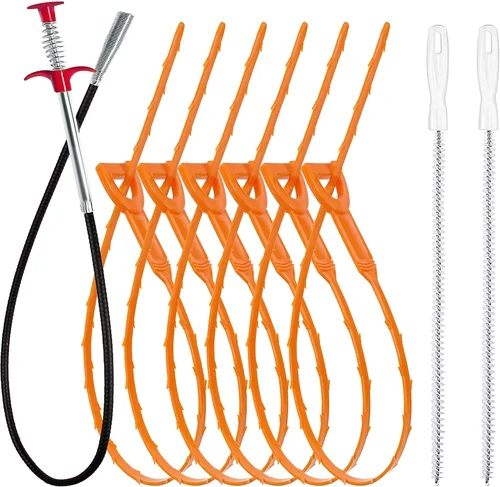
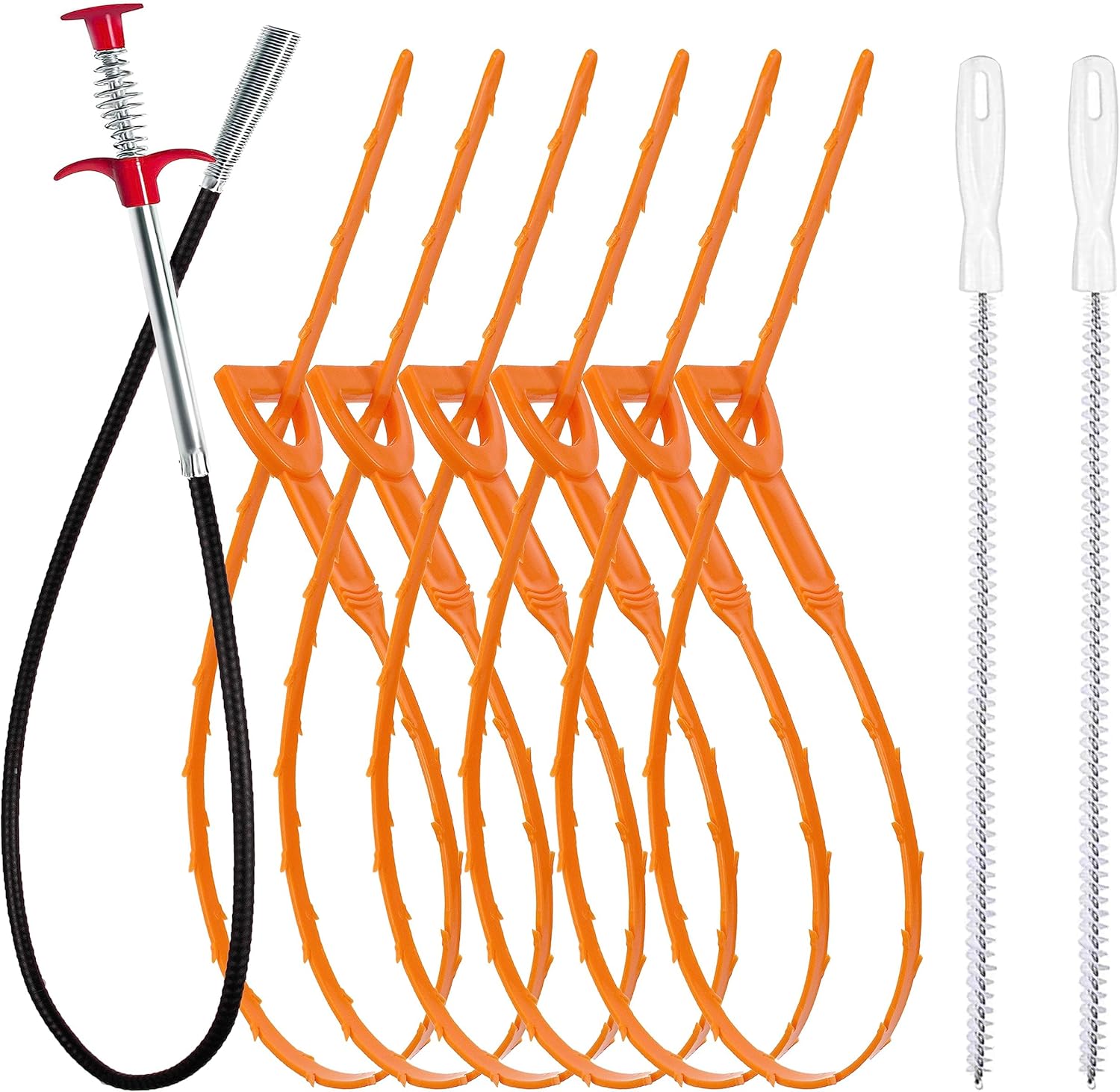
This tier primarily covers simple, DIY solutions that most homeowners can attempt. It includes common household items like baking soda and vinegar, hot water and dish soap, or a basic cup-style plunger. You might also find inexpensive drain “zip-it” tools or small hand augers in this range.
What to expect: These methods are best for minor, superficial clogs, often caused by easily dislodged food particles or light grease buildup near the drain opening. They are generally safe for all pipe types, environmentally friendly, and require minimal skill. However, their effectiveness is limited to smaller, less stubborn blockages. A good quality plunger is a must-have for every home and provides excellent value at this price point.
Mid-Range ($30 – $100): Sweet Spot for Most Buyers
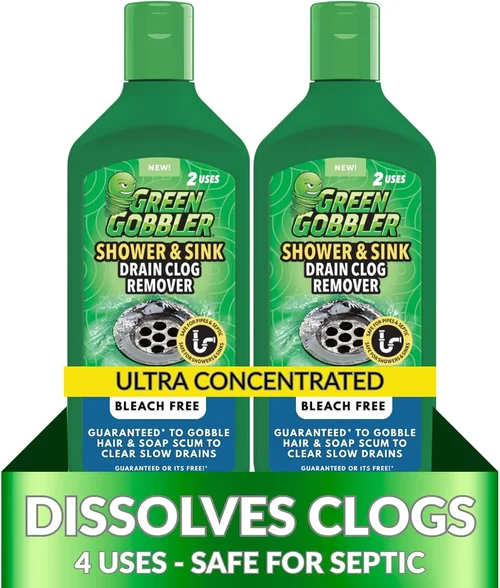
This tier includes more robust DIY tools and some specialized chemical or enzymatic treatments. Here you’ll find quality hand-crank drain augers (snakes) ranging from 15 to 25 feet, air-powered drain blasters, and higher-grade enzymatic drain cleaners designed for maintenance and slow drains.
What to expect: This is often the sweet spot for homeowners who want to be prepared for more significant clogs without resorting to professional help. A mid-range hand auger can reach deeper into the P-trap and beyond, effectively breaking up or retrieving more stubborn clogs. Air blasters offer a powerful burst of pressure. Enzymatic cleaners at this level are often more concentrated and effective for regular maintenance or addressing chronic slow drains. These tools offer a good balance of cost, effectiveness, and reusability for common household clogs.
Premium ($100 – $300): For Enthusiasts and Advanced DIYers
At this level, you’re looking at more professional-grade DIY tools, such as electric drain augers (often rented, or purchased for frequent, heavy-duty use) or higher-end specialized drain-clearing equipment. This category also borders on the lower end of professional service calls for very simple, quick fixes.
What to expect: This tier is for the dedicated DIYer who frequently deals with clogs or wants the most powerful tools available for home use. Electric augers make the job less strenuous and more effective for longer, tougher clogs. However, these tools require more skill and caution to prevent pipe damage. While renting an electric auger might be a one-time cost in this range, purchasing one is a significant investment. This budget might also cover a basic plumber visit if the issue is easily identifiable and fixable without extensive labor or parts.
Professional ($150 – $500+): For Intractable and Complex Issues
This budget tier is dedicated to engaging professional plumbing services. This includes a plumber’s service call, diagnosis, and the use of specialized equipment like heavy-duty power augers, hydro-jetting machines, or sewer cameras.
What to expect: When DIY methods have failed, or when you suspect a deep, complex, or recurring issue, professional help is invaluable. Plumbers bring expertise, powerful industrial-grade tools, and diagnostic capabilities (like camera inspections) that are beyond the scope of most homeowners. While it’s the most expensive option, it often provides the most reliable and long-lasting solution, especially for main line blockages, broken pipes, or clogs deep within the system. For peace of mind and guaranteed results, this is the ultimate solution.
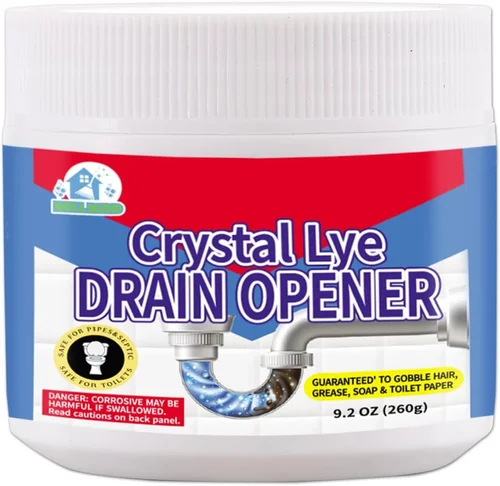
Expert Tips for Getting the Best Deal
Clearing a clogged kitchen sink can be an unexpected expense or hassle, but with some savvy strategies, you can manage the situation efficiently and cost-effectively. These expert tips will guide you in making smart decisions, whether you’re buying a tool or hiring a professional.
1. Prioritize Prevention Over Cure
The absolute best “deal” is to avoid clogs altogether. Invest in good drain strainers to catch food particles. Scrape plates into the trash before rinsing. Avoid pouring grease, oil, or coffee grounds down the drain. Flush your drain weekly with hot water and dish soap, or monthly with a baking soda and vinegar solution, to break down minor buildups before they become major clogs. This proactive approach will save you countless headaches and potential costs.
2. Start Simple and Escalating
Don’t jump straight to the most aggressive or expensive solution. Begin with the simplest and least invasive methods. Hot water and dish soap, followed by baking soda and vinegar, are virtually free and often effective for minor grease clogs. If that doesn’t work, move to a plunger. Only if these fail should you consider a hand auger, then possibly a mild enzymatic cleaner (for slow drains), and finally chemical drain cleaners or professional help. This tiered approach saves money and reduces the risk of pipe damage.
3. Understand Your Plumbing’s Limits
Before purchasing any powerful drain-clearing products or tools, try to understand your home’s plumbing system. What material are your pipes made of? How old are they? Using harsh chemicals on old, corroded, or fragile pipes can lead to leaks, burst pipes, and much more expensive repairs. If you live in an older home, err on the side of caution with gentler methods and manual tools, or consult a plumber.
4. Read Reviews and Watch Tutorials
For any DIY tool or product you’re considering, take the time to read user reviews. Look for feedback on effectiveness, ease of use, durability, and any reported pipe damage. For manual tools like drain snakes, watch a few online tutorial videos. Seeing how a tool is used properly can save you frustration, prevent damage, and help you gauge if you’re comfortable tackling the job yourself.
5. Consider Tool Rental for Seldom-Used Equipment
If you’re facing a stubborn clog that might require an electric drain auger or a hydro-jetter, but you don’t anticipate frequent use of such a tool, consider renting it from a home improvement store. Renting can be significantly cheaper than purchasing an expensive piece of equipment that will only gather dust in your garage. Ensure you understand the rental terms, safety instructions, and return policy.
6. Know When to Call a Professional (and How to Choose One)
There comes a point when DIY efforts are insufficient or too risky. If you have a severe, recurring, or multi-drain clog, or if you suspect a main line issue, it’s time to call a plumber. To get the “best deal” on professional services:
- Get Multiple Quotes: Don’t settle for the first plumber you call. Get at least two or three estimates for the job.
- Check Credentials: Ensure the plumber is licensed, insured, and has good reviews.
- Ask for a Detailed Explanation: A good plumber will explain the problem, the proposed solution, and the cost clearly.
- Inquire About Guarantees: Some plumbers offer warranties on their work, providing peace of mind.
7. Stock Up During Sales
For non-perishable items like plungers, smaller hand augers, or enzymatic cleaners, keep an eye out for seasonal sales or discounts at hardware stores or online retailers. Black Friday, Cyber Monday, or other holiday sales can be excellent times to pick up these essential tools at a lower price, ensuring you’re prepared for the inevitable.
8. Check Return Policies
If you purchase a tool that proves ineffective or unsuitable for your specific clog, a good return policy can save you money. Always check the retailer’s return policy before buying, especially for more expensive items. This allows you to try a solution with the confidence that you can return it if it doesn’t meet your needs.

Frequently Asked Questions
Q: Can I use baking soda and vinegar to unclog a kitchen sink drain?
A: Yes, baking soda and vinegar can be an effective, non-toxic, and eco-friendly method for minor clogs, especially those caused by grease and general organic buildup. The chemical reaction between baking soda (a base) and vinegar (an acid) creates a fizzing action that can help break down soft blockages. To use, pour about half a cup of baking soda down the drain, followed by half a cup of white vinegar. Let it sit for 30 minutes to an hour (or even overnight for stubborn clogs), then flush with very hot water. It’s excellent for maintenance but less effective for severe or solid clogs.
Q: Are chemical drain cleaners safe for all types of pipes?
A: No, chemical drain cleaners are not safe for all pipe types. While many are formulated to be “safe for most pipes,” prolonged or frequent use can be problematic. They generate heat and contain corrosive chemicals (like lye or sulfuric acid) that can damage older metal pipes (cast iron, galvanized steel) by accelerating corrosion, or soften/melt certain plastic pipes (especially older, weaker PVC or ABS). They can also erode rubber seals and gaskets, leading to leaks. Always check your pipe material if possible and use them sparingly and with caution, adhering strictly to product instructions.
Q: How often should I clean my kitchen sink drain as a preventative measure?
A: Ideally, you should perform some form of preventative maintenance on your kitchen sink drain regularly. A simple flush with hot water and a squirt of dish soap after doing dishes can help prevent grease buildup. For more thorough cleaning, consider a baking soda and vinegar treatment once a month, or use an enzymatic drain cleaner bi-monthly or quarterly, as per product instructions. Consistency is key to preventing major clogs.
Q: When should I call a professional plumber for a clogged kitchen sink?
A: You should call a professional plumber if:
- Your DIY attempts with plungers, augers, or mild cleaners have failed.
- You have used chemical drain cleaners, and the clog persists (as the standing chemicals pose a hazard).
- Multiple drains in your home (e.g., sink, toilet, shower) are clogged or slow, indicating a main line issue.
- You hear gurgling noises from other drains when using the kitchen sink.
- There’s sewage backing up into your sink or other fixtures.
- You suspect a broken pipe or a foreign object deeply lodged in the drain.
These are signs of a problem beyond typical DIY solutions.
Q: What’s the difference between a drain snake (or auger) and a plunger?
A: A plunger works by creating a vacuum seal over the drain and using hydraulic pressure (pushing and pulling water/air) to dislodge a clog. It’s effective for clogs near the drain opening. A drain snake (or auger) is a flexible coil of metal that you feed into the drain. It works by physically breaking apart the clog, hooking onto it to pull it out, or pushing it through the pipe. Snakes are designed to reach deeper clogs that a plunger cannot reach and are particularly useful for solid obstructions or tangled hair/grease.
Q: Can very hot water help unclog a drain?
A: Yes, very hot water, especially boiling water, can be effective for dissolving grease clogs in kitchen sinks. Grease tends to solidify as it cools, creating blockages. Hot water can melt and help flush the grease away. However, exercise caution: boiling water can potentially damage PVC pipes or older, weak pipe joints, especially if poured directly and repeatedly. It’s safer to use hot tap water or just-boiled water that has cooled slightly. For tougher clogs, adding a few drops of dish soap can enhance its grease-cutting ability.
Q: Are drain protectors or strainers truly effective?
A: Yes, drain protectors or strainers are highly effective as a preventative measure. They act as a physical barrier, catching food particles, coffee grounds, and other debris before they can enter and accumulate in your drain pipes. Regularly emptying and cleaning your drain strainer is a simple yet crucial step in preventing most kitchen sink clogs. They are an inexpensive investment that can save you from many future headaches and expenses.
Q: What should I do if my garbage disposal is clogged?
A: If your garbage disposal is clogged, first turn off the power to the disposal at the circuit breaker for safety. Never put your hand inside. Use an Allen wrench (typically provided with the disposal) to turn the flywheel from the bottom center opening, which can dislodge jams. If water still isn’t draining, and the disposal isn’t humming, press the reset button usually located on the bottom. If it hums but doesn’t spin, the jam needs to be cleared. If these steps don’t work, and water remains, you might need to use a plunger on the sink basin (plugging the other side of a double sink) or call a plumber, as the clog could be further down the drain line.
Q: How can I tell if a clog is in the P-trap or further down the line?
A: If the clog is in the P-trap (the U-shaped pipe directly under your sink), the water will drain very slowly or not at all, but only from that specific sink. You might also notice a localized odor. The P-trap is designed to catch debris, so it’s a common clog point. If the clog is further down the line, you might notice that water from that sink still backs up even after removing the P-trap and clearing it. Additionally, if other nearby drains (like a dishwasher or another sink on the same line) also experience drainage issues, or if you hear gurgling, it indicates a clog deeper in the main drain line.
Our Final Recommendations
Choosing the best way to unclog your kitchen sink drain depends heavily on the nature of your clog, your budget, and your comfort level with DIY solutions. Here are our top recommendations tailored to different needs:
Best for Budget-Conscious Buyers: A Quality Plunger and Baking Soda/Vinegar
For those looking for the most cost-effective and immediate solutions, a robust cup-style plunger is an indispensable tool. It’s effective for most minor to moderate clogs caused by food or grease. Complement this with the classic baking soda and vinegar method, which is virtually free, environmentally friendly, and works wonders on organic buildup and as a preventative measure. This combination offers excellent value without risking pipe damage or chemical exposure.
Best Overall Value: A High-Quality Hand Auger (Drain Snake)
When plungers aren’t enough, a good quality hand auger (15-25 feet) represents the best overall value. It can tackle deeper, more stubborn clogs, physically breaking through or retrieving obstructions that home remedies can’t touch. It’s reusable, safe for most pipes when used correctly, and empowers you to handle a wider range of clogs without needing professional help, making it a wise long-term investment for any homeowner.
Best Premium Option: Professional Plumbing Services (Hydro-Jetting)
For persistent, severe, or recurring clogs, especially those deep within the main line, a professional plumber utilizing hydro-jetting is the premium, gold-standard solution. While the most expensive upfront, hydro-jetting powerfully scours the entire pipe interior, removing accumulated grease, sludge, and debris, often providing a longer-lasting clear drain than traditional snaking. It’s an investment in peace of mind and the long-term health of your plumbing system.
Best for Beginners: Hot Water and Dish Soap + Enzymatic Cleaner
If you’re new to unclogging and want a gentle, safe approach, start with flushing the drain with very hot water and a squirt of dish soap to melt grease. Follow this with an enzymatic or biological drain cleaner used according to its instructions. These cleaners work slowly by breaking down organic matter, are safe for all pipes, and require minimal effort. They are ideal for slow drains and preventative maintenance, giving beginners a safe entry point into drain care.
Best for Advanced Users: Electric Drain Auger or DIY Hydro-Jetting Attachment
For the experienced DIYer who frequently encounters tough clogs or is comfortable with more powerful tools, an electric drain auger (rented or purchased) offers superior power and reach for stubborn blockages. Alternatively, a pressure washer attachment that converts it into a DIY hydro-jetting tool can be effective for thoroughly cleaning pipe walls. These options demand skill, caution, and a good understanding of plumbing systems to avoid damage but provide professional-level results at a fraction of the cost of hiring a pro.
Conclusion: Making the Right Choice
Navigating the frustrating world of a clogged kitchen sink drain doesn’t have to be a daunting task. By equipping yourself with the knowledge presented in this comprehensive guide, you are now empowered to approach the problem strategically, effectively, and safely. We’ve explored the critical factors to consider, compared various unclogging methods, highlighted common mistakes to avoid, and provided clear budget guidelines to help you make informed decisions.
Remember, the key to successful drain unclogging lies in understanding the nature of your clog, knowing your plumbing system’s limitations, and choosing the least invasive yet most effective solution first. Prioritize safety, both for yourself and your home’s plumbing. While simple DIY methods often suffice, don’t hesitate to recognize when a professional’s expertise is necessary – it can save you significant time, money, and hassle in the long run.
Ultimately, the best way to unclog your kitchen sink drain is the one that resolves the issue efficiently, prevents future occurrences, and respects the integrity of your plumbing. Take action with confidence, apply the insights from this guide, and keep your kitchen sink flowing freely. Your clean, functional kitchen will thank you for it!