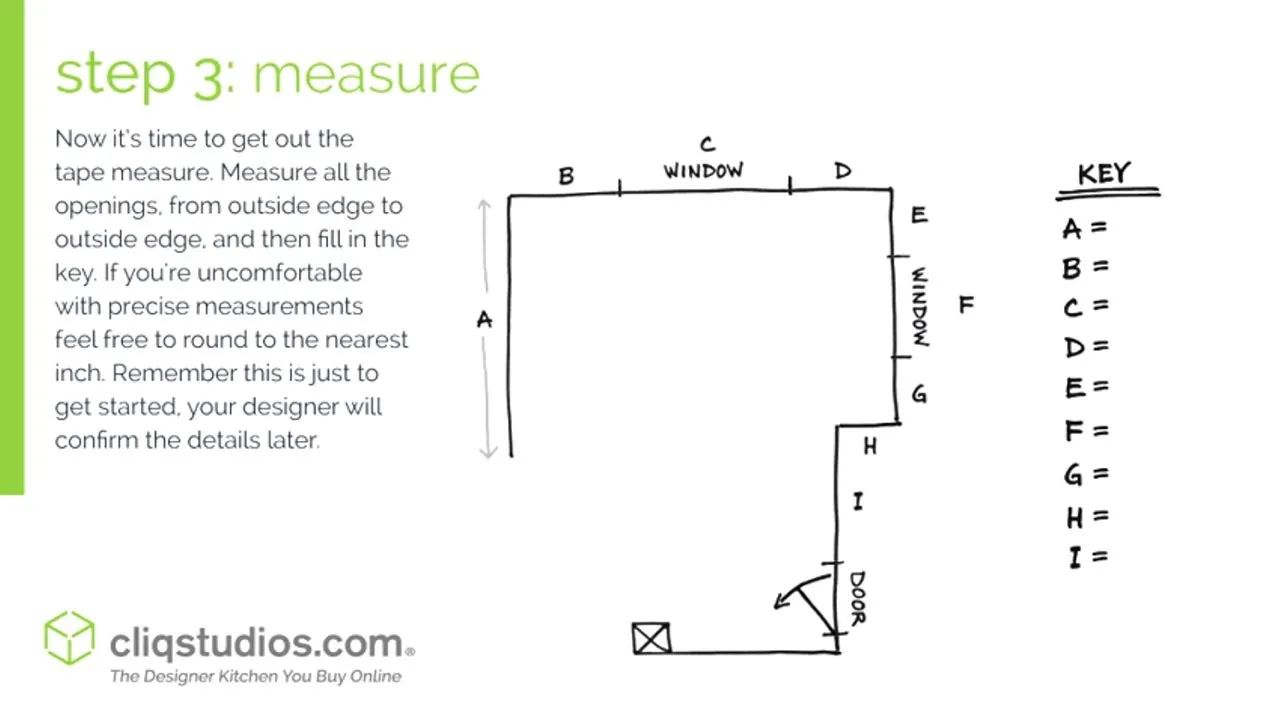
Imagine this: you’re standing in your kitchen, ready to transform it into your dream space. But before you can fill it with stylish cabinets, you need to know how to measure for them accurately.
This step is crucial because precision ensures a seamless fit, avoiding unnecessary headaches down the line. If you’re feeling unsure about where to start, you’re not alone. Many people find measuring for kitchen cabinets daunting, but it doesn’t have to be.
In this guide, we’ll simplify the process, giving you clear, actionable steps to ensure your cabinets fit perfectly. You’ll feel confident and empowered to tackle this part of your kitchen renovation, knowing you’ve got the right tools and knowledge. Ready to unlock the secrets of perfect cabinet measurement? Let’s dive in and make your kitchen transformation smooth and stress-free!
Credit: www.tiktok.com
Tools Needed
Measuring for kitchen cabinets is easy with the right tools. A tape measure is the most important tool. It helps to get accurate measurements. Use a pencil to mark spots on the wall. A notepad is useful to jot down numbers. You’ll need a level to check if surfaces are even. A calculator can help add up measurements.
It’s good to have a helper. They can hold the tape measure while you write. This makes the job quicker and easier. With these tools, you can measure like a pro.
Credit: pebblesandthorns.com
Preparing The Space
Remove all items from the kitchen area. Make sure the space is empty. This helps in measuring accurately. Clean the floors and walls. Dirt can affect your measurements. Check for any hidden obstacles. They might be hard to see. Ensure you have enough light. Good lighting helps you see better.
Use a level tool to check the floors. Uneven floors can cause problems. Cabinets may not fit well. Look at the corners of the room. They should be square. Measure the height and width. Write down these numbers. They will help later. Make sure the floor is sturdy. Cabinets are heavy and need support.
Measuring Wall Cabinets
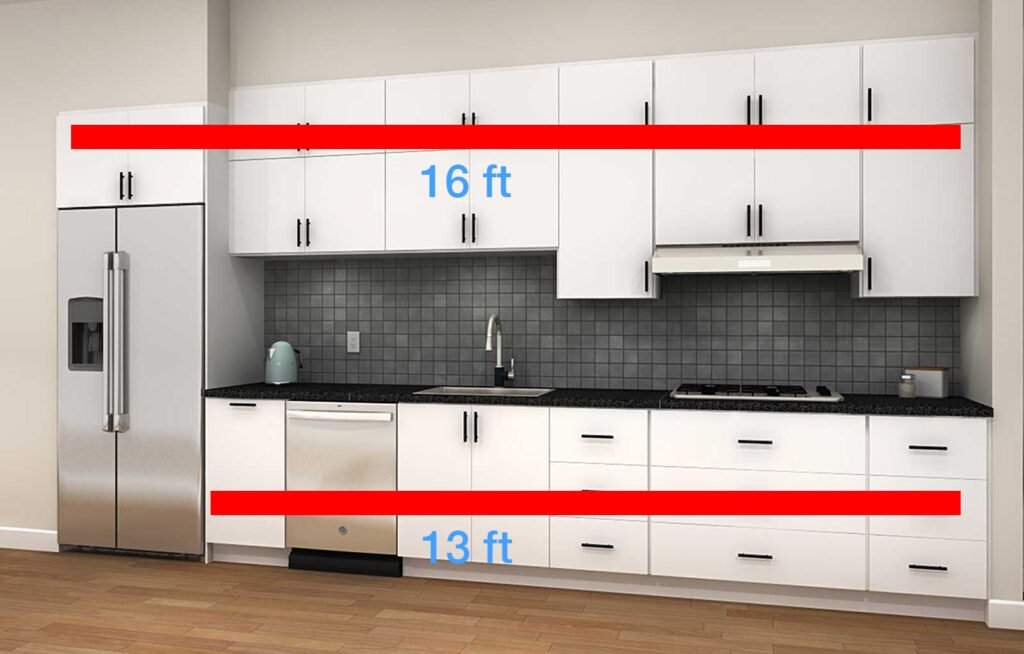
Begin by measuring the height from the floor to the ceiling. Next, determine the width of the wall space. Consider any windows or doors that might affect cabinet placement. Accurate measurements ensure the perfect fit for your kitchen cabinets.
Height Considerations
Measure from the floor to the ceiling. This gives the total height. Next, check the height from the floor to the bottom of the cabinets. Standard cabinets are usually 30 to 42 inches tall. Remember, taller cabinets offer more storage space. But they may be hard to reach for kids.
Width And Depth
Measure the width of the wall where cabinets will go. Use a tape measure for accuracy. Standard widths are 12, 15, and 18 inches. Check the depth too. Most cabinets are 24 inches deep. This helps to fit standard appliances inside. Adjust your plans if needed.

Credit: www.instagram.com
Measuring Base Cabinets
Base cabinets have a standard height and depth. The typical height is 34.5 inches. The depth is usually 24 inches. This allows room for counters to extend. Width can vary, often from 12 to 48 inches. Check these dimensions carefully.
Custom cabinets can be different sizes. Measure your space first. Use a tape measure. Measure from the floor to the ceiling. Measure the width of your space. Write these numbers down. Compare them to standard sizes. Consider door swings and appliance locations. Ensure everything fits together.
Accounting For Appliances
Accurate measurements ensure a perfect fit for kitchen cabinets. Begin by measuring the width, height, and depth. Consider appliance placements to avoid obstructing doors or drawers.
Space For Refrigerators
Measure the width of your refrigerator. Leave at least two inches on each side. This allows the fridge to breathe. Make sure to measure the height too. The top should have some extra space. This helps with proper air circulation. Think about the door swing. It needs space to open fully. Check if it hits anything when open.
Positioning Ovens And Dishwashers
Plan the oven space carefully. Ensure there is room to open the door. You need space to stand and work. For the dishwasher, measure its width and height. Leave some space for the cables. Make sure it’s near the sink. This makes water connections easy. Also, check if the door opens without block.
Corner Cabinets And Special Features
Accurate measurements ensure corner cabinets fit perfectly. Measure width and height from wall to desired cabinet position. Consider special features like rotating shelves for better accessibility.
Lazy Susans
Lazy Susans are great for corner spaces. They help use space well. These shelves spin around. You can reach items easily. Measure the width and depth of the corner. This helps find the right size. Make sure to leave room for the door. The door needs space to open and close.
Diagonal Cabinets
Diagonal cabinets fit into corners too. They look neat and tidy. Measure the corner’s width and height. This ensures a good fit. Check that the cabinet door can open fully. It’s important for easy access. Diagonal cabinets give a sleek look. They often have a single door. This makes them different from Lazy Susans.
Double-checking Measurements
Double-checking measurements ensures kitchen cabinets fit perfectly. Measure wall length, height, and depth accurately. Confirm dimensions twice to avoid costly mistakes.
Using A Level
Ensure the surface is flat and even. Place the level on top of the cabinet. Check if the bubble is centered. If not, adjust the cabinet. Make sure all sides are even. A level surface ensures proper fitting.
Cross-verification
Measure the same spot twice for accuracy. Use a tape measure for consistency. Compare with previous measurements. Check the numbers carefully. Write them down to avoid mistakes. Accurate numbers prevent installation issues.
Common Mistakes To Avoid
Walls are not always straight. This can cause problems when measuring. Always check for bumps or curves. Use a level to see if the wall is even. If you ignore this, cabinets might not fit right. Measure at different heights. Write down the smallest number. This helps get the best fit.
Cabinet doors need room to open. Measure how much space they need. Check if doors will hit anything. Look at nearby walls, appliances, and windows. Plan for enough space. This stops doors from banging or getting stuck. Think about the pathof the door swing. Do not forget knobs and handles. They need space too.
Frequently Asked Questions
What Tools Do I Need To Measure Kitchen Cabinets?
To measure kitchen cabinets accurately, you’ll need a tape measure, level, and pencil. These tools help ensure precise measurements and alignment. A laser measure can also be useful for more accurate results. Proper tools are crucial for a successful cabinet installation or replacement project.
How Do I Measure Cabinet Width Correctly?
Start by measuring the width of the cabinet from one edge to the other. Use a tape measure for accuracy. Ensure the tape is straight and level for an exact measurement. Double-check the width to confirm your results are consistent and accurate for planning purposes.
What Is The Standard Height For Kitchen Cabinets?
The standard height for kitchen base cabinets is typically 34. 5 inches. When you add a countertop, it usually reaches 36 inches. This height is considered ergonomic for most users. Wall cabinets generally range from 12 to 42 inches in height, depending on kitchen design and ceiling height.
How Do I Measure Cabinet Depth?
Measure from the front edge to the back wall for depth. Ensure your tape measure is straight for an accurate reading. Standard base cabinet depth is typically 24 inches. Wall cabinets are usually around 12 inches deep. Accurate measurements are crucial for fitting appliances and ensuring efficient kitchen layout.
Conclusion
Measuring kitchen cabinets is simple with the right steps. Begin with precision. Use a reliable tape measure. Measure width, height, and depth carefully. Double-check each measurement for accuracy. Consider space for doors and drawers. This ensures a perfect fit. Keep a record of all measurements.
It helps when purchasing or custom-building cabinets. A well-measured kitchen leads to a smooth renovation. Avoid unnecessary mistakes. Your kitchen space will look organized and stylish. Enjoy your new kitchen setup with confidence. Accurate measurements make all the difference. Happy remodeling!