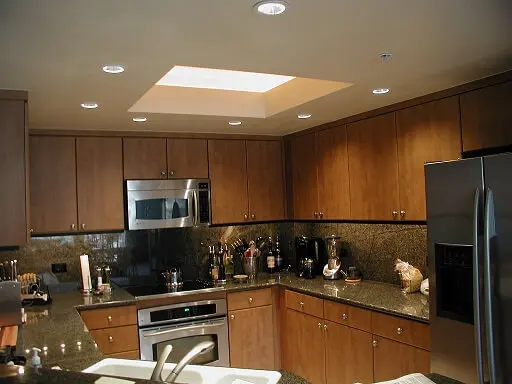
Imagine stepping into your kitchen, where the perfect lighting enhances every corner and elevates your mood. You might have wondered how many pot lights are ideal for creating this inviting atmosphere.
Finding the right number of pot lights isn’t just about brightening up the space; it’s about crafting an environment that feels cozy and energizing. You deserve a kitchen that’s not only functional but also a joy to spend time in.
Ready to discover the secrets to achieving the perfect lighting balance in your kitchen? Let’s dive into how you can transform your cooking haven with the right number of pot lights.
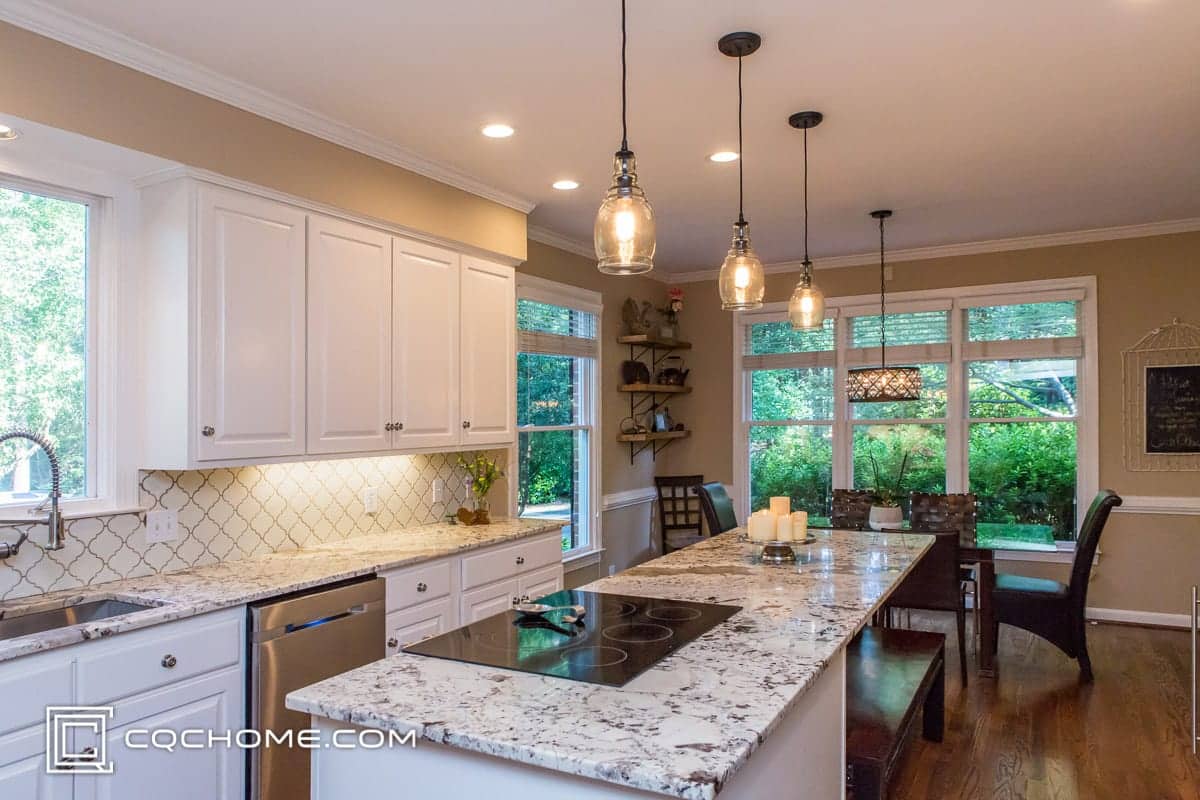
Credit: cqchome.com
Determining Kitchen Size
A kitchen’s size decides how many pot lightsyou need. Measure the lengthand widthof your kitchen. Multiply these numbers to find the square footage. A small kitchen might need 4 to 6lights. Larger kitchens could use 8 to 12lights.
Think about the shapeof your kitchen. Is it long, wide, or square? This helps in placing the lights evenly. Also, consider the ceiling height. Higher ceilings might need more powerful lights.
Remember, evenly spaced lights give the best result. This creates a bright and welcoming space. Planning is key for perfect lighting.
Lighting Requirements
Choosing the right pot lightsfor a kitchen is crucial. Good lighting helps you see clearly while cooking. It also makes the kitchen look nice. You need to know how many lights are needed. This depends on the size of your kitchen. Bigger kitchens need more lights.
Think about the brightnessyou want. Bright lights help you see better. But too many lights can be too bright. A good number of lights is important. Place them evenly across the ceiling. This spreads the light evenly.
Here is a simple guide:
- Small kitchen needs 4-6 pot lights.
- Medium kitchen needs 6-8 pot lights.
- Large kitchen needs 8-12 pot lights.
Always measure the kitchen first. This helps you decide how many lights to install.
Spacing Guidelines
Pot lightsin the kitchen need careful spacing. This ensures even lighting. Too close can be too bright. Too far can leave dark spots.
Space lights about 4 feet apart. This gives balanced lighting. Use this rule for most kitchens.
Keep lights 2 feet away from walls. This avoids shadows. Adjust for small kitchens. Use fewer lights or closer spacing.
Consider ceiling height. Higher ceilings need more lights. Lower ceilings need fewer. Adjust spacing for best light.
Try different layouts. Test before deciding. Adjust based on kitchen size and shape. Good spacing makes your kitchen bright and welcoming.
Types Of Pot Lights
Pot lights come in many types. The most common are recessed lights. These are installed inside the ceiling. They give a clean look. Another type is surface-mounted lights. These hang below the ceiling. They add style and can be decorative. Adjustable pot lightsare flexible. You can move them to shine in different directions. This is handy for tasks. LED pot lightssave energy. They last longer and are eco-friendly. A great choice for kitchens. Smart pot lightscan change color. Control them with a phone. They make cooking more fun.
Each type has its own benefits. Think about what your kitchen needs. Choose wisely for the best light.
Installation Tips
Decide the right numberof pot lights for your kitchen. Too many lights can be too bright. Too few lights might leave dark spots.
Measure the kitchen size. Larger kitchens need more lights. A small kitchen needs fewer lights.
Place lights evenly across the ceiling. This ensures even lighting. Avoid placing lights too close to walls. This prevents shadows.
Choose the correct bulbtype. LED bulbs save energy. They last longer than regular bulbs.
Use dimmer switches. They allow you to control brightness. Adjust lighting based on activity.
Hire a professional electrician. They ensure safe installation. Proper wiring is important.
Consider ceiling height. High ceilings need more powerful lights. Low ceilings need softer lights.
Test the lights before finalizing. Check for any flickers or issues.

Credit: sunco.com
Energy Efficiency Considerations
Pot lights use less energy than regular bulbs. They are more efficient and last longer. Use LED pot lights to save even more energy. They use less electricity and stay cool. This keeps your kitchen comfortable and saves money. Make sure to space pot lights evenly. This gives good light without wasting energy. Turn off lights when not in use. This simple habit saves energy too. Consider using dimmer switches. They allow you to control brightness and save energy. Properly installed pot lights help reduce electricity bills. Choose energy-efficient lights for a greener home.
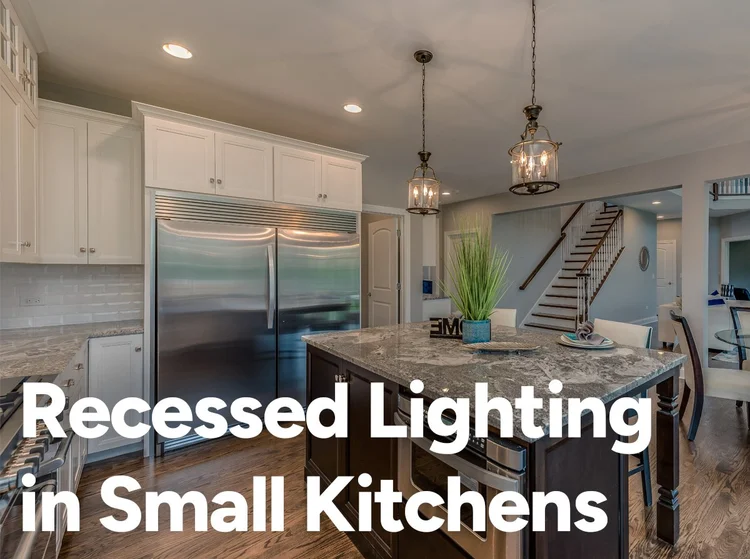
Credit: blog.1000bulbs.com
Frequently Asked Questions
How Many Pot Lights Are Ideal For A Kitchen?
The number of pot lights depends on kitchen size and layout. Typically, one pot light per 4-6 square feet is recommended. Consider factors like ceiling height and lighting needs. Consult a lighting expert for personalized advice.
What Factors Affect Pot Light Placement In Kitchens?
Factors include kitchen size, ceiling height, and lighting purpose. Task areas need more light, while ambient light is spread evenly. Proper placement ensures optimal illumination without shadows.
Are Led Pot Lights Better For Kitchens?
Yes, LED pot lights are energy-efficient and long-lasting. They provide bright, consistent illumination and are available in various designs. LEDs save on electricity bills and are environmentally friendly.
How Do I Choose Pot Light Size For My Kitchen?
Choose size based on kitchen dimensions and ceiling height. Smaller lights are ideal for lower ceilings, while larger lights suit higher ceilings. Consider beam angle and coverage for balanced lighting.
Conclusion
Choosing the right number of pot lights transforms your kitchen space. Proper lighting enhances functionality and creates a welcoming atmosphere. Consider your kitchen’s size and layout. Balance is key. Too many lights can overwhelm. Too few can leave areas dim.
Aim for an even distribution. This ensures every corner is well-lit. Use adjustable lights for flexibility. They help you focus light where needed. Consult a lighting professional if unsure. They provide tailored advice for your kitchen. Good lighting makes cooking easier and dining more enjoyable.
So, plan wisely and enjoy a beautifully lit kitchen.