Have you ever noticed your kitchen cabinet doors hanging unevenly or not closing as smoothly as they once did? It’s a common issue that can make your kitchen feel a bit off-balance.
The good news is, you can easily fix this yourself by adjusting the hinges on your cabinets. Imagine opening your cabinets without the annoying creak or misalignment. With just a few simple steps, you can bring back the seamless function and appearance your kitchen deserves.
Dive into this guide, and discover how a few small adjustments can make a big difference in the heart of your home.
Tools Needed
Adjusting kitchen cabinet hinges is simple with the right tools. A screwdriveris essential for tightening or loosening screws. Choose a Philips or flat-headbased on your cabinet type. A small levelensures doors are straight. It helps keep them aligned. A measuring tapeis useful for checking distances. This ensures doors close properly. Lubricantmight be needed for smooth hinge movement. It reduces squeaking noises. Keep a pencilhandy for marking adjustment points. This aids precision during tweaks.

Credit: www.amazon.com
Identify Types Of Hinges
Kitchen cabinets use different types of hinges. Some common ones include butt hinges, European hinges, and pivot hinges. Butt hinges are simple and found on many doors. European hinges are hidden when the door is closed. They offer a clean look. Pivot hinges let doors swing smoothly. They are used in some modern designs.
Look closely at your cabinet. Identify the hinge type. This helps in making adjustments. If unsure, check for manufacturer labelsor guides. Knowing your hinge type is important. It makes adjusting easier and more effective.
Preparation Steps
First, remove all items from the cabinet. This includes dishes, cups, and food. Clearing the contents makes the work easier. It also keeps your items safe from dust. Place them in a safe spot nearby.
Next, collect safety gear for protection. You need gloves to protect your hands. Safety goggles protect your eyes. A dust mask is useful too. This keeps dust out of your nose and mouth. Make sure all gear is comfortable.

Credit: www.womenontop.co.za
Adjusting European Hinges
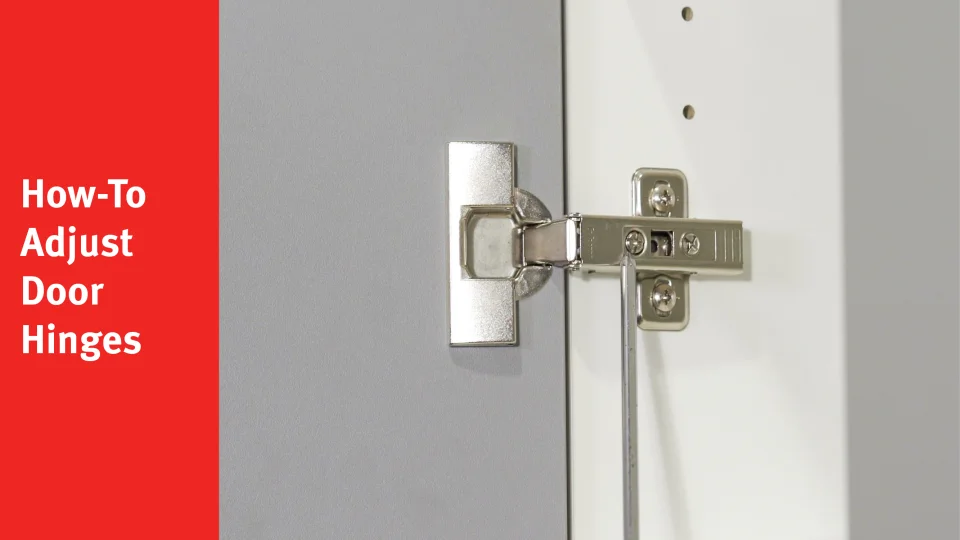
European hinges help doors stay aligned. They have three adjusting screws. Each screw changes the door’s position. The first screw moves the door up and down. The second screw moves it left and right. The third screw tilts the door in and out. Use a screwdriver for these adjustments. Check alignment after adjusting each screw. Close the door to see if it fits well. Repeat if the door is still off.
Hinges need tight screws to hold doors. Loose screws make doors wobble. Use a screwdriver to tighten screws. Turn clockwise to tighten them. If the door needs more space, loosen screws. Turn counterclockwise to loosen them. Feel the door after adjusting. It should open smoothly. Make sure all screws are snug but not too tight.
Adjusting Overlay Hinges
Adjusting overlay hinges on kitchen cabinets ensures smooth operation. Align doors correctly by loosening screws and moving hinges. Tighten screws firmly once the desired position is achieved for optimal functionality.
Check Door Alignment
Ensure the cabinet door is straight. Look at the gap between the door and the cabinet frame. The gap should be even on all sides. If the door is crooked, it needs adjusting. Use a screwdriver to loosen the hinge screws slightly. Move the door until it is straight. Tighten the screws to secure the door in place.
Adjust Depth And Height
Depth adjustment helps the door sit flush. To adjust, turn the screw on the hinge arm. This moves the door in or out. For height, find the vertical screw on the hinge plate. Loosen it to move the door up or down. Once aligned, tighten the screw. Make sure the door opens and closes smoothly.
Fine-tuning The Hinges
Fine-tuning cabinet hinges ensures smooth operation and alignment. Adjust screws for better door fit and balance. Regular maintenance keeps kitchen cabinets functional and appealing.
Test Door Functionality
Check if the cabinet doors open smoothly. If they stick or don’t align, adjustments are needed. Start by loosening the hinge screws slightly. Shift the door up or down for better alignment. Tighten the screws after adjusting.
Readjust If Necessary
Sometimes the door still needs fixing. Use a screwdriver to turn the hinge screws. Turn clockwise to tighten; counterclockwise to loosen. Make small adjustments for the best fit. Check the door again after each tweak. Repeat until the door closes correctly.
Common Issues And Fixes
Doors sag when hinges are loose. Tighten all screws to fix them. Use a screwdriver for better grip. Check if the door is still sagging. If yes, adjust the hinge plates. Move them slightly up or down. Ensure the door closes well.
Uneven gaps can look untidy. Adjust the screws on the hinges. Turn them to move the door closer or away. Use a level to check alignment. Make small adjustments at a time. Keep checking until gaps are even. Your cabinet should look neat and tidy.
Credit: u-install-itkitchens.com.au
Maintaining Cabinet Hinges
Adjusting hinges on kitchen cabinets is essential for smooth operation. First, inspect the hinges for loose screws and tighten them. Then, adjust the alignment by gently turning the screws to reposition the door.
Regular Cleaning Tips
Keep cabinet hinges clean for smooth movement. Use a damp cloth to wipe off dust and grime. Avoid using harsh chemicals. They can damage the hinges. Regularly clean hinges every month. This prevents buildup and rust. Clean hinges maintain cabinet appearance.
Lubrication Advice
Lubricate hinges to prevent squeaking. Use a small amount of oil. Apply oil to the hinge pin. Wipe excess oil with a cloth. Lubricate hinges twice a year. This ensures smooth operation. Choose oil designed for metal. It protects and extends hinge life.
Frequently Asked Questions
How Do I Adjust Cabinet Hinge Tension?
To adjust cabinet hinge tension, locate the adjustment screws on the hinge. Use a screwdriver to turn the screw clockwise to tighten or counterclockwise to loosen. Test the door’s movement after each adjustment to ensure it opens and closes smoothly without sagging or sticking.
Why Are My Cabinet Doors Misaligned?
Cabinet doors may misalign due to loose screws or uneven hinge positioning. Check the hinges for any loose screws and tighten them. If the problem persists, adjust the hinge alignment using the adjustment screws. Proper alignment ensures smooth opening and closing of the cabinet doors.
How Can I Fix A Sagging Cabinet Door?
To fix a sagging cabinet door, tighten all the hinge screws using a screwdriver. If tightening doesn’t help, adjust the hinge alignment screws. This will help lift the door to its proper position. Ensure all screws are secure and test the door’s movement for smooth operation.
What Tools Do I Need For Hinge Adjustment?
For hinge adjustment, you need a Phillips-head screwdriver, flat-head screwdriver, and possibly a drill for stubborn screws. These tools help tighten or loosen screws and adjust hinge tension. Keep these tools handy for quick adjustments and maintenance of your kitchen cabinet hinges.
Conclusion
Adjusting kitchen cabinet hinges is simple. Follow these steps and save time. Ensure your cabinets close smoothly. Use a screwdriver for precise adjustments. Tighten screws and align hinges properly. Check doors for stability. Regular maintenance prevents wear and tear. Enjoy a tidy kitchen space.
Fixing hinges enhances functionality. It’s a quick fix with big benefits. Keep your kitchen organized and efficient. No professional help needed. DIY is cost-effective and rewarding. Feel confident in your handiwork. Improve your kitchen with small efforts. Happy adjusting!