Are you ready to transform your kitchen with new cabinets but don’t know where to start? Assembling kitchen cabinets might seem tricky, but with the right steps, you can do it yourself and save time and money.
Imagine opening your kitchen doors and seeing perfectly installed cabinets that fit your space and style. In this guide, you’ll discover simple, clear instructions that make the process easy—even if you’re new to DIY projects. Keep reading, and you’ll soon have the confidence to build your dream kitchen one cabinet at a time.
Gather Tools And Materials
Gathering the right toolsand materialsis key before starting cabinet assembly. Essential tools include a screwdriver, drill, measuring tape, and level. Keep wood glueand screwshandy for sturdy joints. Cabinets come with all the hardwareneeded, like hinges and handles.
Check all parts against the list in the instructions. Organize everything on a clean workspace for easy reach. Using clamps can help hold pieces while fastening. Safety gear like gloves and goggles protect you during work.
- Screwdriver (Phillips and flathead)
- Power drill with drill bits
- Measuring tape
- Carpenter’s level
- Wood glue
- Clamps
- Safety gloves and goggles
- Cabinet parts and hardware

Credit: www.youtube.com
Prepare Cabinet Components
Gather all cabinet parts and check for any damage. Make sure you have:
- Cabinet boxes
- Doors and drawers
- Shelves
- Hinges and screws
- Handles and knobs
Lay the cabinet box flat on a clean surface. Organize screws and hardware by type. This saves time during assembly.
Read the instruction sheet carefully. Identify each part and match it to the list. This helps avoid mistakes.
Assemble Cabinet Box
Start by laying out all the cabinet parts on a clean surface. Check that you have side panels, bottom, top, and back panel. Use clamps to hold the side panels upright. Attach the bottom panel between the two side panels using screws or cam locks. Make sure everything fits snugly. Next, fix the top panel the same way.
Secure the back panel using nails or screws. It helps keep the cabinet square and sturdy. Use a level to check that all sides are straight. Tighten any loose screws. Avoid forcing parts to fit as it can damage the wood.
- Use wood glue for extra strength at joints.
- Pre-drill holes to prevent wood splitting.
- Wear safety glasses during assembly.
- Work on a flat surface for best results.

Credit: www.shutterstock.com
Install Doors And Drawers
Start by aligning the cabinet doorswith the frame. Attach the hinges using a screwdriver. Check that each door opens and closes smoothly. Adjust the hinges if doors don’t sit evenly.
For drawers, slide the drawer boxesinto their slots carefully. Make sure they glide easily on the tracks. If needed, tighten screws on the drawer slides.
- Check door gaps to keep them even all around.
- Tighten all screws securely but avoid over-tightening.
- Test each door and drawer for smooth movement.
- Adjust hinges and slides for perfect fit.
Mount Cabinets To Wall
Find the wall studs using a stud finder. Mark their positions clearly.
Hold the cabinet up to the wall at the right height.
Use a level to ensure the cabinet is straight.
Drill pilot holes through the cabinet back into the studs.
Screw the cabinet securely into the wall studs using long screws.
Check the cabinet’s level again before tightening all screws.
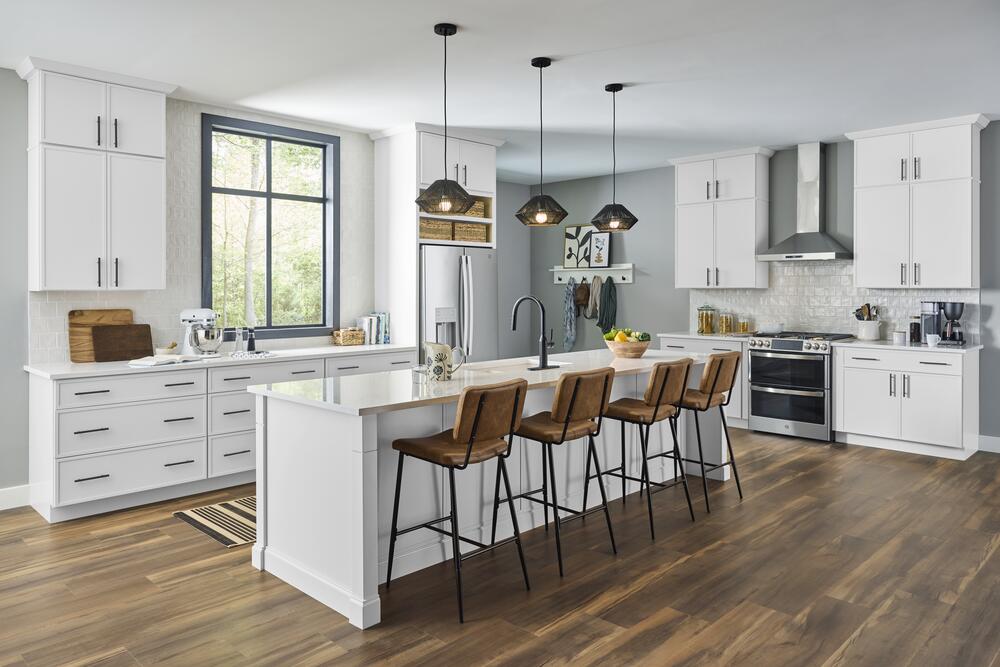
Repeat these steps for each cabinet section to ensure strong support.
 "How to Assemble Kitchen Cabinets 3")
Credit: www.homedepot.com
Frequently Asked Questions
How Long Does It Take To Assemble Kitchen Cabinets?
Assembling kitchen cabinets usually takes 2 to 4 hours, depending on your skill and cabinet complexity.
What Tools Do I Need To Assemble Kitchen Cabinets?
Basic tools include a drill, screwdriver, hammer, level, tape measure, and clamps for proper assembly.
Can I Assemble Kitchen Cabinets Alone Or Need Help?
You can assemble cabinets alone, but having a helper makes handling large pieces easier and safer.
Conclusion
Assembling kitchen cabinets can seem hard at first. Follow each step with care and patience. Use the right tools and check your work often. Take your time to avoid mistakes. Enjoy seeing your kitchen come together piece by piece. A well-built cabinet will last for years.
Feel proud of your handy work. Your kitchen looks better, and you saved money too. Keep practicing, and your skills will grow. Small efforts lead to great results.