Is your kitchen faucet leaking, outdated, or simply not working the way it should? Changing a kitchen faucet might seem like a daunting task, but with a little guidance, you can tackle it yourself.
Imagine transforming your kitchen in just a few steps, saving money, and enjoying the satisfaction of a job well done. Whether you’re a seasoned DIY enthusiast or a beginner looking to try something new, you’ve come to the right place.
This guide will walk you through the process, ensuring you feel confident and prepared. So, why wait? Dive into the world of home improvement and discover how you can change a kitchen faucet with ease. Your kitchen’s makeover starts now!
Tools And Materials Needed
- Adjustable wrench:Helps tighten and loosen nuts.
- Plumber’s tape:Prevents leaks at connections.
- Bucket:Collects water during removal.
- Rags:Keeps area clean and dry.
- New faucet:The main replacement item.
- Screwdriver:Removes screws and fasteners.
- Flashlight:Lights up dark spaces.
These tools are essential for faucet changes. Each tool serves a specific purpose. Always check the faucet box for extra parts. Having the right tools saves time and effort. Make sure everything is ready before starting.
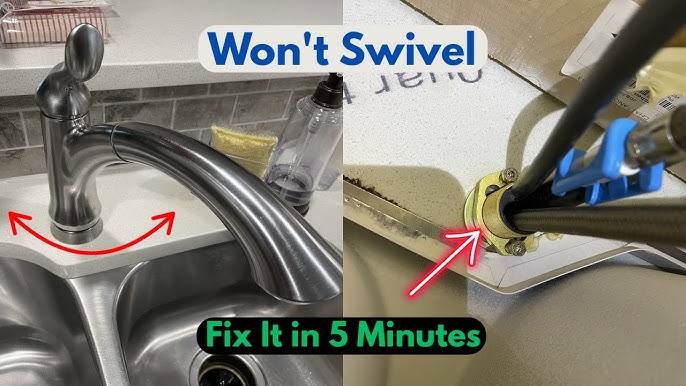
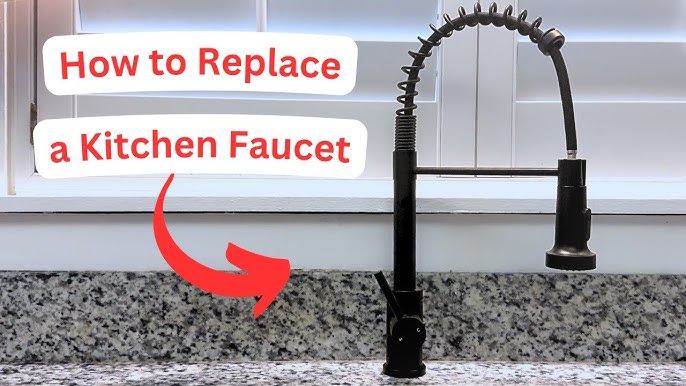
Credit: www.youtube.com
Preparation Steps
Turn the knobs clockwise. This stops water flow. Check if water still drips. Use a wrench for tight knobs. Ensure the knobs are fully closed. Double-check both hot and cold knobs.
Remove items under the sink. This makes space for work. Use a flashlight to see clearly. Wipe any spills or dirt. Keep cleaning supplies nearby. Ensure area is dry and clean.
- Wrench
- Bucket
- Flashlight
- Towels
- New faucet
Having supplies ready saves time. Keep them close by for easy reach. Check the new faucet for all parts. Make sure they are complete.
Removing The Old Faucet
Removing the Old Faucet Turn off the water supply under the sink. Use a wrench to loosen the nuts holding the faucet in place. Detach the water lines carefully to remove the old faucet.
Disconnecting Water Lines
Turn off the water supply under the sink. Use a wrench to loosen the water line connections. Carefully pull the lines away from the faucet. Keep a towel nearby for any spills. Ensure both lines are fully disconnected.Loosening Mounting Nuts
Use a basin wrench to reach the mounting nuts. Turn them counter-clockwise to loosen. If the nuts are stuck, apply penetrating oil. Wait a few minutes and try again. Ensure all nuts are completely loose.Lifting Out The Old Faucet
Gently lift the faucet from the sink. Check for any remaining connections. Ensure all parts are removed. Clean the area with a damp cloth. Prepare the sink for the new faucet installation. `Installing The New Faucet
Begin by turning off the water supply to prevent leaks. Remove the old faucet using a wrench. Install the new faucet by securing it with nuts and connecting water lines. Test the faucet for leaks and ensure smooth operation.
Positioning The New Faucet
Place the new faucet into the sink holes carefully. Ensure it aligns correctly with the sink. This step is important for a secure fit. Double-check the alignment before proceeding.Securing The Mounting Nuts
Use a wrench to tighten the mounting nuts underneath the sink. Make sure they are snug and secure. Loose nuts can cause the faucet to wobble. Check the tightness twice for safety.Connecting Water Supply Lines
Attach the water supply lines to the faucet. Ensure they connect properly to avoid leaks. Use your hands to tighten them first. Finish tightening with a wrench. Turn on the water to test for leaks. Adjust if necessary. `Testing The Installation
Turn on the water supply and check for leaks. Ensure the faucet moves smoothly and water flows properly. Adjust if necessary to achieve a perfect fit.
Turning On The Water Supply
Turn the water supply valves back on slowly. Make sure to watch for any sudden leaks. Turn on the faucet handle and let water flow. This helps to remove any air trapped in the pipes.Checking For Leaks
Look under the sink with a flashlight. Check all connections for drips. Feel around with your hands for any moisture. Tighten connections if you spot any leaks. This ensures a dry and safe setup.Ensuring Proper Functionality
Test the hot and cold water flow. Make sure both are running smoothly. Check if the sprayer works if you have one. Listen for any strange sounds while water runs. Ensure the faucet turns off with no drips. `
Credit: www.youtube.com
Tips For Maintenance
Replacing a kitchen faucet involves turning off the water supply. Remove the old faucet and clean the area. Install the new faucet, ensuring tight connections to avoid leaks. Test the water flow and check for any drips. Regular checks can prevent future issues and ensure smooth operation.
Regular Cleaning
Keep the faucet clean to make it last longer. Use a soft cloth and mild soap. Avoid harsh chemicals. Clean weekly to prevent buildup. Rinse well to remove soap residue. Dry with a towel to avoid water spots.
Handling Minor Repairs
Leaks can be fixed easily. Turn off water supply first. Tighten loose parts with a wrench. Replace worn-out washers. Use plumber’s tape for small leaks. Ensure everything is snug and secure.
When To Seek Professional Help
If the faucet drips a lot, call a plumber. Strange noises can mean big problems. If water pressure is very low, get expert help. Broken parts might need professional repair. Don’t wait too long for big issues.

Credit: pbphomerepair.com
Frequently Asked Questions
How Do I Remove The Old Faucet?
Start by turning off the water supply valves under the sink. Use a wrench to disconnect the water lines. Unscrew the mounting nuts holding the faucet in place. Lift the old faucet out of its position. Clean the area thoroughly before installing the new faucet.
What Tools Are Needed To Change A Kitchen Faucet?
You’ll need a basin wrench, adjustable wrench, plumber’s tape, and a bucket. A screwdriver may be needed for additional fastening. Having these tools ready will make the process smoother. Always double-check the manufacturer’s instructions for any specific tools required.
How Long Does It Take To Change A Faucet?
Changing a kitchen faucet typically takes about one to two hours. The time can vary based on experience and faucet type. Gather all necessary tools beforehand to avoid delays. Follow each step carefully for a successful installation.
Are There Common Problems During Faucet Replacement?
Yes, common issues include corroded parts and tight spaces under the sink. Always inspect for leaks after installation. Have extra plumber’s tape and rags ready for unexpected water drips. Addressing these problems promptly ensures a smooth installation process.
Conclusion
Changing a kitchen faucet can feel daunting. But with careful steps, it’s manageable. Start by gathering tools and supplies. Then, follow the instructions closely. Remember, patience is key. Each step builds on the last. A new faucet can transform your kitchen’s look.
And improve functionality. Enjoy the benefits of fresh water flow. Feel the satisfaction of completing a home project. You did it! Share your experience with friends. Encourage them to try it too. A little effort goes a long way. Now, your kitchen shines bright.
Ready for cooking and gathering. Your faucet journey ends with success.