Is your kitchen sink drain leaking or clogged? Knowing how to change the drain in your kitchen sink can save you time, money, and the hassle of calling a plumber.
You don’t need to be an expert or have special tools to fix it yourself. In this guide, you’ll find clear, step-by-step instructions that anyone can follow. Imagine the satisfaction of solving the problem on your own and having your sink working like new again.
Keep reading to discover how easy it is to replace your kitchen sink drain and keep your kitchen running smoothly.

Credit: www.youtube.com
Tools And Materials Needed
Gathering the right tools and materialsis key before starting. You will need:
- Adjustable wrenchto loosen and tighten nuts.
- Bucketto catch any water drips.
- Plumber’s puttyfor sealing joints.
- New drain assemblythat fits your sink.
- Screwdriverto remove screws if needed.
- Teflon tapeto wrap threads and prevent leaks.
- Ragsfor cleaning and wiping.
Having these items ready saves time and avoids hassle. It helps keep the work neat and clean.
Credit: www.thisoldhouse.com
Preparing The Sink Area
Clear the area under the sink. Remove any cleaning supplies or boxes. This gives you space to work safely.
Place a bucket below the drain to catch water. Water may spill when you disconnect pipes.
Turn off the water supply valves under the sink. This stops water flow during the change.
Wear gloves to protect your hands. Use safety glasses to protect your eyes from splashes.
Gather the tools you need: a wrench, pliers, and a bucket. Keep a towel nearby to clean spills.
Removing The Old Drain
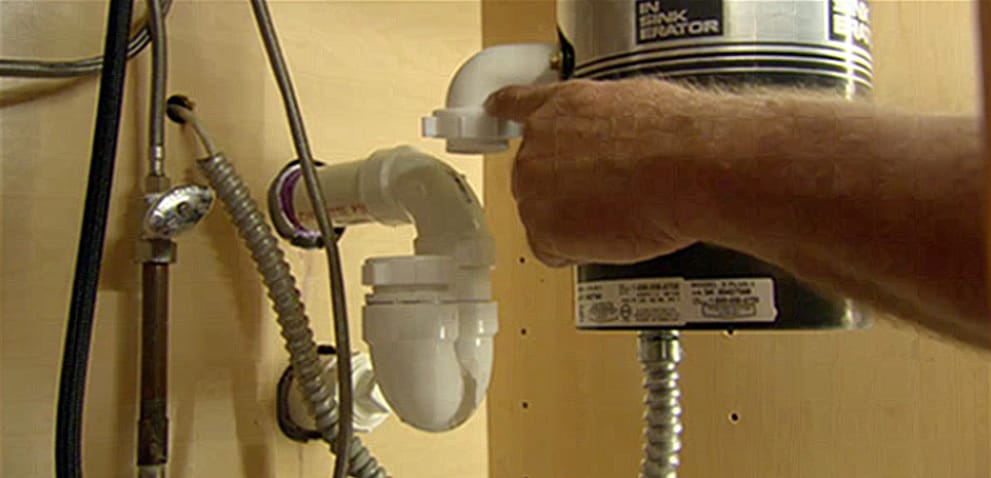
Start by turning off the water supply under the sink. Place a bucket below the drain to catch any water. Loosen the slip nuts on both sides of the drain pipe using a wrench or by hand if possible. Carefully remove the drain pipe and clean out any leftover water. Use pliers to loosen the drain flange from the sink. If it is stuck, try twisting gently or use a putty knife to break the seal. Remove the old plumber’s putty or sealant around the drain opening. Clean the sink surface well to prepare for the new drain installation.
Installing The New Drain
Begin by placing the new drain assembly into the sink hole. Ensure the rubber gasketsits firmly between the drain flange and sink surface to stop leaks. From below, slide the plastic or metal washeronto the drain body. Then, screw on the locknuttightly by hand.
Use a wrench to tighten the locknut more but avoid over-tightening to prevent damage. Check that the drain is alignedand does not move. Apply plumber’s puttyunder the drain flange before placing it for extra sealing.
- Attach the tailpieceto the drain body securely.
- Reconnect the trapand other plumbing parts.
- Run water to check for leaks around the new drain.
Testing For Leaks And Final Adjustments
Turn on the water and watch closely for any drips or leaks. Check all the joints and connections under the sink. Use a dry cloth to wipe areas and spot hidden moisture. Tighten any loose nuts carefully, but avoid overtightening which can cause damage.
Run water at full flow for a few minutes to be sure nothing leaks. Look inside the cabinet for signs of water pooling. Check the drain pipe and the sink flange area as well.
- Ensure all seals and washers fit snugly.
- Adjust the drain pipe alignment if water drains slowly.
- Replace any worn-out parts if leaks persist.
Once no leaks appear and water drains well, dry the area. Your kitchen sink drain is now ready to use.

Credit: www.familyhandyman.com
Frequently Asked Questions
How Do I Remove The Old Drain From My Kitchen Sink?
Loosen the slip nuts under the sink. Pull out the old drain carefully.
What Tools Are Needed To Change A Kitchen Sink Drain?
You need a wrench, plumber’s putty, and a bucket to catch water.
How To Prevent Leaks After Installing A New Drain?
Use plumber’s putty around the drain and tighten all connections firmly.
Conclusion
Changing the drain in your kitchen sink is simple with the right steps. You save money by doing it yourself. Take your time and follow each instruction carefully. Use basic tools and be patient during the process. A well-installed drain stops leaks and keeps your sink working well.
Now, your kitchen feels cleaner and more efficient. Try it yourself and enjoy the satisfaction of fixing things at home.