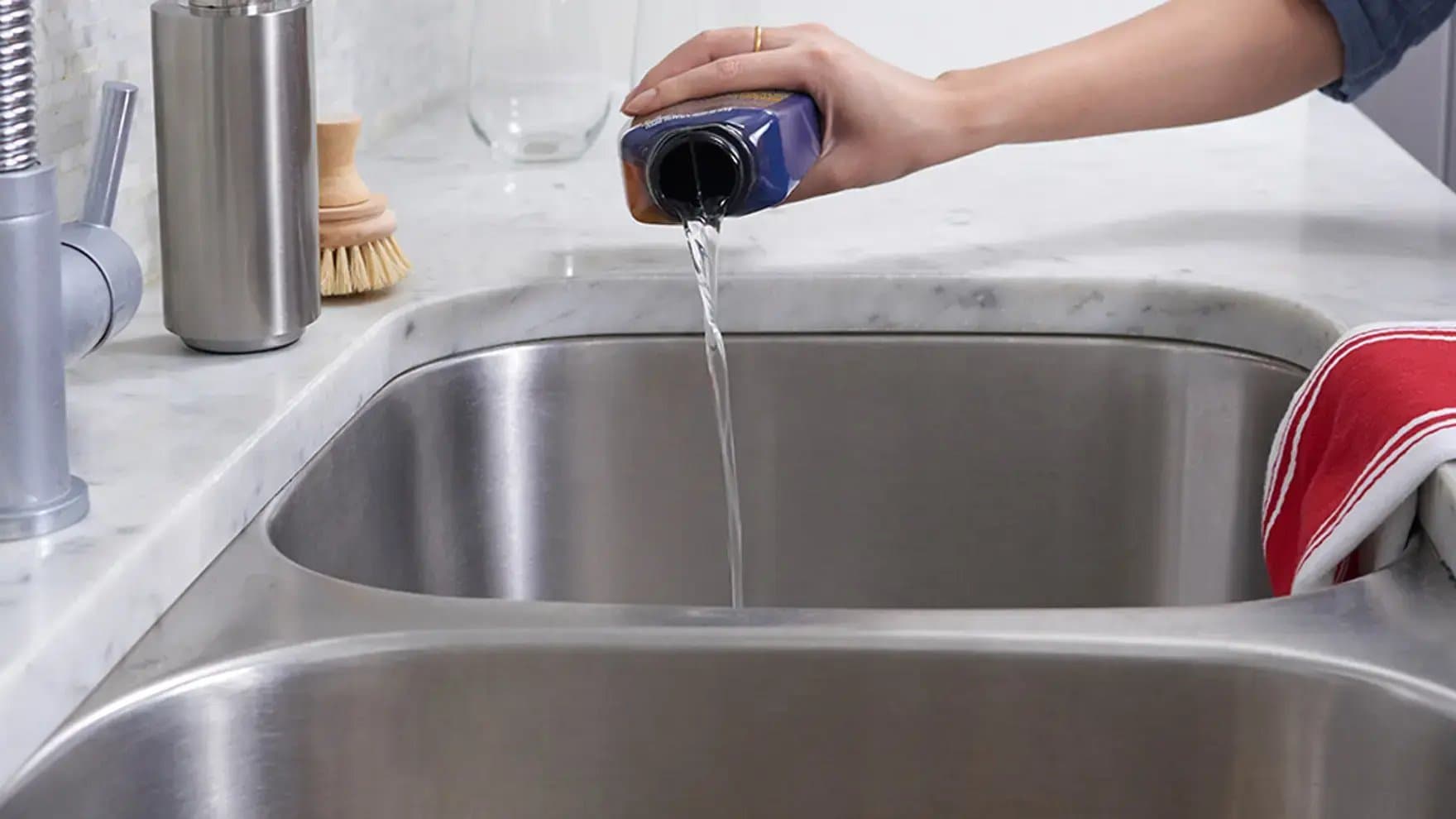
Is your kitchen sink draining slowly or not at all? A clogged sink can turn simple tasks into frustrating chores.
But before you call a plumber or buy expensive tools, there are easy and effective ways you can clear the blockage yourself. Imagine getting your sink back to normal in just minutes with simple steps anyone can follow. Keep reading, and you’ll discover practical tips that save you time, money, and stress.
Your kitchen will thank you!
Credit: www.homeserve.com
Common Causes Of Clogged Sinks
Food particles and greaseoften cause sink clogs. Tiny food scraps get stuck in pipes. Grease cools and hardens, blocking water flow.
Soap scum builduphappens when soap mixes with minerals in water. It forms a sticky layer inside pipes. This layer traps dirt and slows drainage.
Foreign objects blockageoccurs when items like small toys or utensils fall into the drain. These objects block pipes and stop water from moving.
Tools And Materials Needed
Basic cleaning supplieshelp clear most clogged sinks. You need a bucket to catch water. Rubber gloves keep your hands clean and safe. A sponge or rag helps wipe the sink area. Dish soap breaks down grease and grime. Baking soda and vinegar work as natural cleaners and deodorizers.
Specialized plumbing toolsmake tough clogs easier to remove. A plunger creates pressure to push the clog free. A drain snake or auger reaches deep blockages inside pipes. Pipe wrench helps loosen pipe connections if needed. A flashlight lets you see under the sink clearly. Having these tools ready saves time and effort.
Safe Chemical Cleaners
Choose cleaners safefor your pipes and environment. Some chemicals can harm your sink or pipes. Look for biodegradableand non-toxiclabels. Avoid cleaners with strong acids or bleach, as they may cause damage or release harmful fumes.
Use cleaners according to the instructionson the label. Pour the cleaner slowly and let it sit for the suggested time. Never mix different cleaners. This can cause dangerous chemical reactions. Always wear gloves and keep the area well-ventilated.
Manual Methods To Clear Clogs
Plunginghelps push clogs out of the drain. Use a sink plunger with a good seal around the drain. Push down and pull up quickly several times. This action creates pressure to loosen the clog. Make sure to cover overflow holes with a wet cloth for better suction.
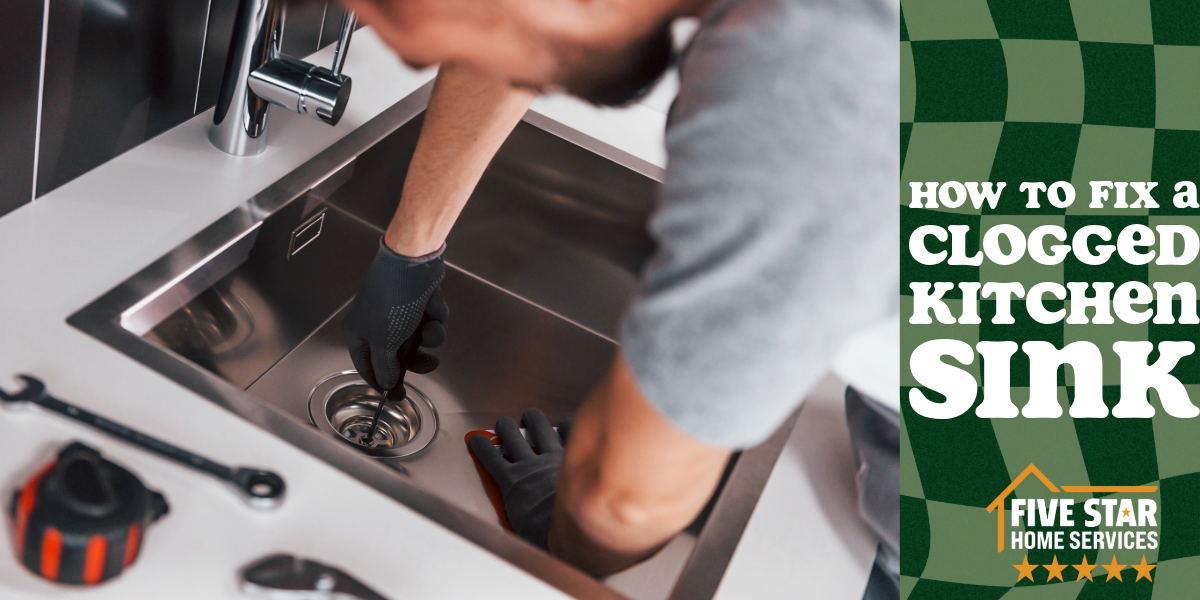
A drain snakeis a long, flexible tool. Insert it into the drain and turn the handle. The snake breaks up or pulls out the clog. It works well for deeper blockages that plunging can’t reach.
Removing the trapcan clear stubborn clogs. Place a bucket underneath to catch water. Unscrew the trap carefully and clean out any debris inside. Rinse it thoroughly before reattaching. This method often clears clogs caused by food or grease buildup.
Natural Cleaning Alternatives
Baking soda and vinegarform a natural cleaner that can unclog drains. Sprinkle about half a cup of baking soda into the sink drain. Pour half a cup of vinegar slowly over the baking soda. The mixture will bubble and fizz. Let it sit for 15 minutes to break down grime and debris. Rinse the drain with hot water to clear the loosened clog.
Boiling water flush is a simple way to clear minor blockages. Boil a kettle or pot of water. Carefully pour the boiling water directly into the clogged drain. The hot water helps dissolve grease and softens buildup. Repeat this process several times if needed. This method works best for slow drains caused by grease or soap scum.

Credit: katieskottage.com
Preventing Future Clogs
Cleaning your kitchen sink is easier with regular maintenance. Pour boiling water down the drain once a week. It helps clear grease and soap buildup. Use a mixture of baking soda and vinegar monthly. This natural solution breaks down grime and stops odors.
- Dispose of food scraps in the trash, not the sink.
- Avoid pouring grease or oil down the drain.
- Use a drain strainer to catch hair and debris.
- Flush drains with hot water after washing dishes.
- Clean the sink stopper regularly to remove trapped gunk.
Following these simple tips keeps your sink flowing smoothlyand prevents clogs.
When To Call A Professional
Signs of serious blockagesinclude water backing up slowly or not draining at all. Bad smells coming from the sink also signal a big clog. If you hear gurgling sounds or see water pooling around the drain, these are warning signs. Persistent problems that do not improve after simple cleaning need expert help.
Choosing the right plumbermatters for a quick fix. Look for someone with good reviews and proper licenses. Ask if they have experience with kitchen sink clogs. Clear pricing before work starts helps avoid surprises. A trustworthy plumber will explain the problem and fix it safely.
Credit: www.myfivestarhomeservices.com
Frequently Asked Questions
How Do I Unclog A Kitchen Sink Naturally?
Pour baking soda followed by vinegar down the drain. Let it sit for 15 minutes. Flush with hot water to clear clogs naturally without harsh chemicals.
What Causes A Kitchen Sink To Clog?
Food scraps, grease buildup, and soap residue often block kitchen sink drains. Avoid pouring grease or large debris to prevent clogs.
Can Boiling Water Fix A Clogged Sink?
Yes, boiling water can dissolve grease and soap buildup. Pour slowly in stages to clear minor clogs effectively.
When Should I Call A Plumber For A Clogged Sink?
Call a plumber if DIY methods fail or water backs up persistently. Professional help prevents damage and ensures thorough cleaning.
Conclusion
Cleaning a clogged kitchen sink doesn’t have to be hard. Follow the steps outlined, and you’ll see quick results. A clear drain helps your kitchen run smoothly. Regular maintenance prevents future blockages. Simple tools and natural solutions can do wonders.
No need for expensive services. Keep your sink clean and fresh with little effort. Your kitchen will thank you for it. Remember, a clean sink boosts hygiene and convenience. Enjoy hassle-free cooking and cleaning every day. Stay proactive, and your sink stays clog-free.
Happy cleaning!