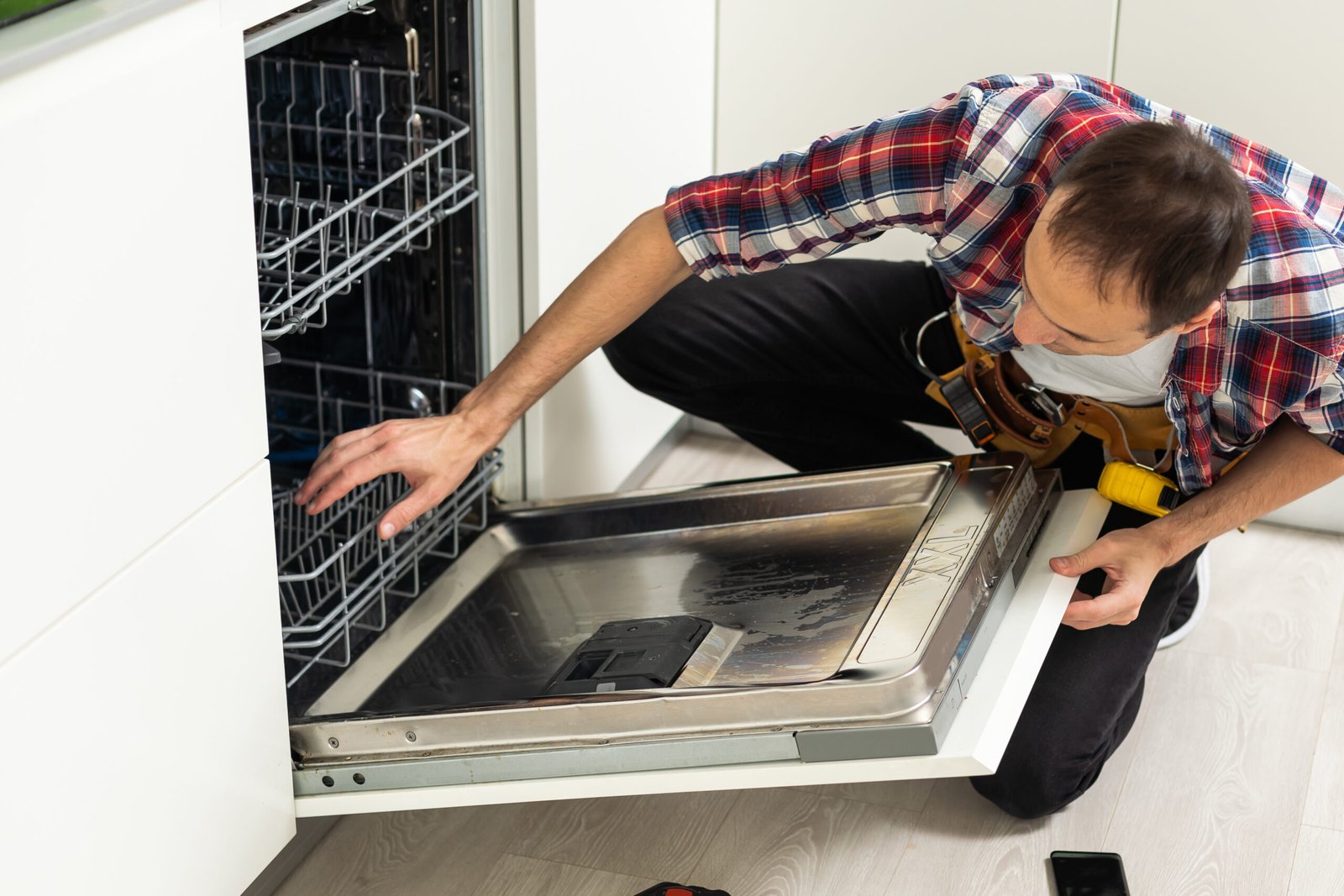
Is your KitchenAid dishwasher’s top sprayer not working? It’s frustrating when your dishes don’t come out clean, and the culprit might be that stubborn sprayer.
But don’t worry—you don’t have to call a repair person just yet. In this guide, you’ll discover simple, step-by-step fixes that anyone can do. By the end, you’ll know how to get your dishwasher back to its full cleaning power.
Keep reading, and say goodbye to those spots and leftover crumbs for good!
Credit: www.woodcocks.us
Common Causes Of Top Sprayer Issues
Clogged spray arm holesstop water from flowing properly. Food bits and hard water can block these holes. Cleaning them often solves the problem.
The water inlet valvecontrols water flow into the dishwasher. If it is blocked or broken, water may not reach the top sprayer.
A faulty circulation pumpcan cause weak or no water spray. It moves water to spray arms. Pump failure means no spray.
Obstructed filterstrap food and debris. Dirty filters reduce water pressure and block spray arms. Regular cleaning helps maintain good spray.
The spray armitself may be damaged or cracked. This stops water from spraying evenly. Replacing the arm can fix this issue.
Tools Needed For Repair
Basic hand tools are essential for most dishwasher repairs. A screwdriverhelps remove panels and screws. A wrenchor pliers may be needed to loosen nuts and bolts. A flashlight makes it easier to see inside the dishwasher.
Cleaning supplies help clear clogs and buildup. Use a soft brushor cloth to clean spray arms and filters. Mild soap and warm water work well for cleaning parts. Avoid harsh chemicals that can damage the dishwasher.
| Replacement Parts | Description |
|---|---|
| Top Sprayer Arm | Replaces damaged or clogged sprayer for better water flow. |
| Spray Arm Seal | Ensures a tight fit to prevent leaks and maintain pressure. |
| Filter | Removes debris and keeps water clean inside the dishwasher. |
Step-by-step Cleaning Of Spray Arm
Locate the spray arm at the top of the dishwasher. Gently pull or unscrew it to remove. Keep a firm grip to avoid dropping or damaging it.
Check for food bits, grease, or hard water stains blocking the holes. Use a toothpick or small brush to clear each hole. Make sure all openings are free for water flow.
Soak the spray arm in warm water mixed with vinegar for about 30 minutes. This helps dissolve mineral deposits. After soaking, rinse thoroughly with clean water.
Align the spray arm back onto its mount. Push or screw it firmly in place. Spin it by hand to ensure it moves freely and is secure.
Checking And Cleaning Filters
The filtersin a Kitchenaid dishwasher catch food and debris. They stop the top sprayer from clogging. Filters are usually at the bottom of the dishwasher.
To find them, open the dishwasher door and look at the base. The filters often have a round or rectangular shape and can twist out.
Take the filters out carefully. Check for any stuck food or dirt. Inspect the mesh for holes or damage.
Clean the filters with warm water and a soft brush. Avoid using harsh tools that can tear the mesh. Make sure all bits are removed.
Dry the filters with a clean cloth. Put them back the same way you took them out. Twist or lock them in place securely.
Inspecting The Water Inlet Valve
Begin by unplugging the dishwasher from the power source. Open the dishwasher door and remove the lower rack carefully. Locate the water inlet valve at the bottom of the appliance, near the front. It is connected to the water supply line.
Use a wrench to loosen the valve’s mounting screws. Gently pull the valve out to access it fully. Check for any visible blockages or debris around the valve opening. Dirt can stop water from flowing properly.
To test the valve, use a multimeter to check for electrical continuity. If the meter shows no continuity, the valve is faulty and needs replacing. Even if it looks clean, a damaged valve can cause sprayer issues.
Replacement valves are available at appliance stores or online. Make sure to buy the exact model for your KitchenAid dishwasher. Install the new valve by reversing the removal steps. Tighten screws securely and reconnect power.
Testing The Circulation Pump
The circulation pumpmoves water to the top sprayer inside the dishwasher. It is usually found near the bottom of the machine, behind the lower access panel. Removing this panel helps you see the pump clearly.
Use a multimeterto test the pump’s electrical parts. Check for continuityby placing the probes on the pump terminals. A reading shows if the pump’s motor is working or not.
Replace the pump if it shows no continuity or if it makes strange noises during operation. Also, replace it if water does not spray despite the motor running. A faulty pump can cause poor cleaning and water flow issues.
Preventive Maintenance Tips
Keeping a regular cleaning schedulehelps your dishwasher work well. Clean the sprayer arms and filters often. This stops clogs and keeps water flowing strong.
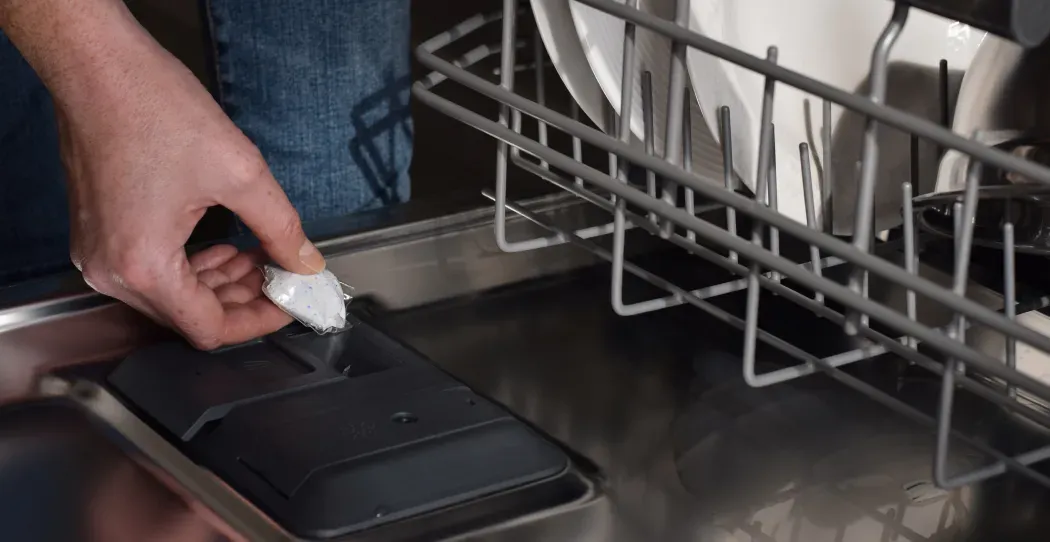
Use only dishwasher-friendly detergents. These detergents clean dishes without leaving soap build-up. Avoid using too much detergent to stop residue from forming.
- Avoid hard water build-upby using a water softener or special dishwasher additives.
- Hard water causes mineral deposits that block sprayers.
- Run a cleaning cycle once a month to remove these deposits.

Credit: www.searshomeservices.com

Credit: www.youtube.com
Frequently Asked Questions
Why Is My Kitchenaid Dishwasher Top Sprayer Not Working?
The top sprayer may be clogged or blocked by debris. Check for food particles or hard water buildup and clean it thoroughly. Also, ensure the spray arm spins freely without obstruction.
How Can I Clean A Clogged Dishwasher Top Sprayer?
Remove the top sprayer and soak it in warm, soapy water. Use a toothpick or small brush to clear any blocked holes. Rinse well before reinstalling to restore proper water flow.
Can A Faulty Water Inlet Valve Affect The Sprayer?
Yes, a malfunctioning water inlet valve can reduce water pressure. This prevents the top sprayer from working efficiently. Test the valve and replace it if it’s defective.
Does Dishwasher Detergent Impact Top Sprayer Performance?
Using the wrong detergent or too much can cause residue buildup. This clogs the sprayer holes and reduces spray effectiveness. Always use recommended dishwasher detergent in proper amounts.
Conclusion
Fixing your Kitchenaid dishwasher’s top sprayer can be simple. Start by checking for blockages. Clean out any debris that might obstruct water flow. Ensure the sprayer arm moves freely. Secure any loose connections. Tighten any parts that need it. Regular maintenance can prevent future issues.
Keep the sprayer and filter clean. Regular cleaning improves performance. Your dishwasher should now work effectively. Follow these steps for a smooth-running appliance. Remember, a little care goes a long way. Enjoy hassle-free dishwashing with a well-functioning sprayer.