Are you tired of dealing with slow-draining sinks and unpleasant odors in your kitchen? You’re not alone.
Many homeowners face the frustration of clogged drain pipes, but the good news is you can tackle this problem yourself with ease. Cleaning your kitchen drain pipes doesn’t have to be a daunting task. With the right guidance and simple steps, you can ensure your kitchen remains fresh and free from blockages.
Imagine the satisfaction of knowing your kitchen is running smoothly, without the hassle of calling in a plumber. Keep reading to discover how you can take control of your kitchen’s plumbing and say goodbye to pesky clogs once and for all.
Credit: mwg.aaa.com
Common Causes Of Clogged Kitchen Drains
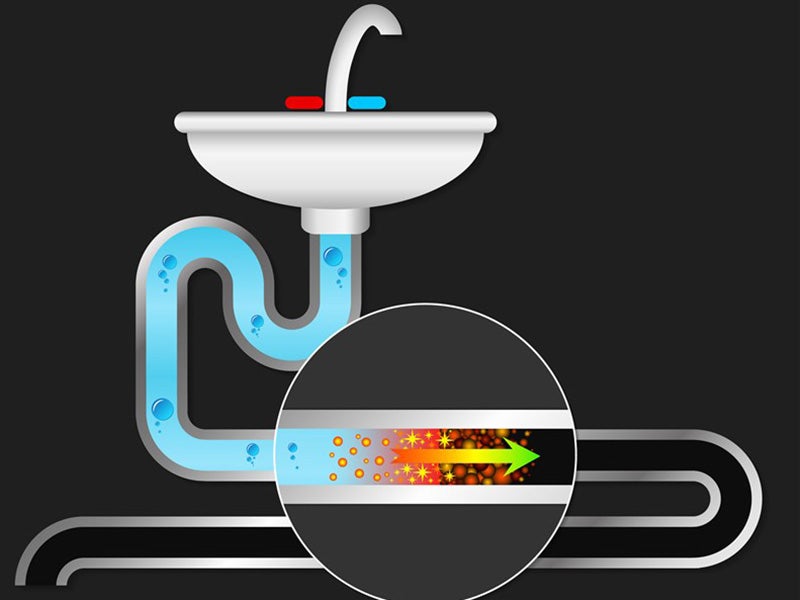
Food bits often go down the drain. Grease is sticky and traps food. This creates a thick sludge. Over time, it blocks the pipe. Always scrape plates before washing them. This can help prevent clogs.
Soap can leave behind a sticky residue. This builds up and narrows the pipe. It mixes with dirt and food bits. This makes clogs worse. Use less soap when washing dishes. Rinse dishes well to avoid soap buildup.
Sometimes, things fall into the sink. Small items like bottle caps can cause big clogs. Always check before using the drain. Keep the sink area clean and tidy. This helps stop foreign objects from causing issues.
Credit: www.fourseasonsheatingcooling.com
Essential Tools And Materials
Plungers are simple yet effective. They help to clear small clogs. A strong push can move the stuck debris. Drain snakes are for deeper clogs. They are flexible and long. Insert them into the pipe. Twist and pull to remove blockages. Both tools are a must for drain cleaning.
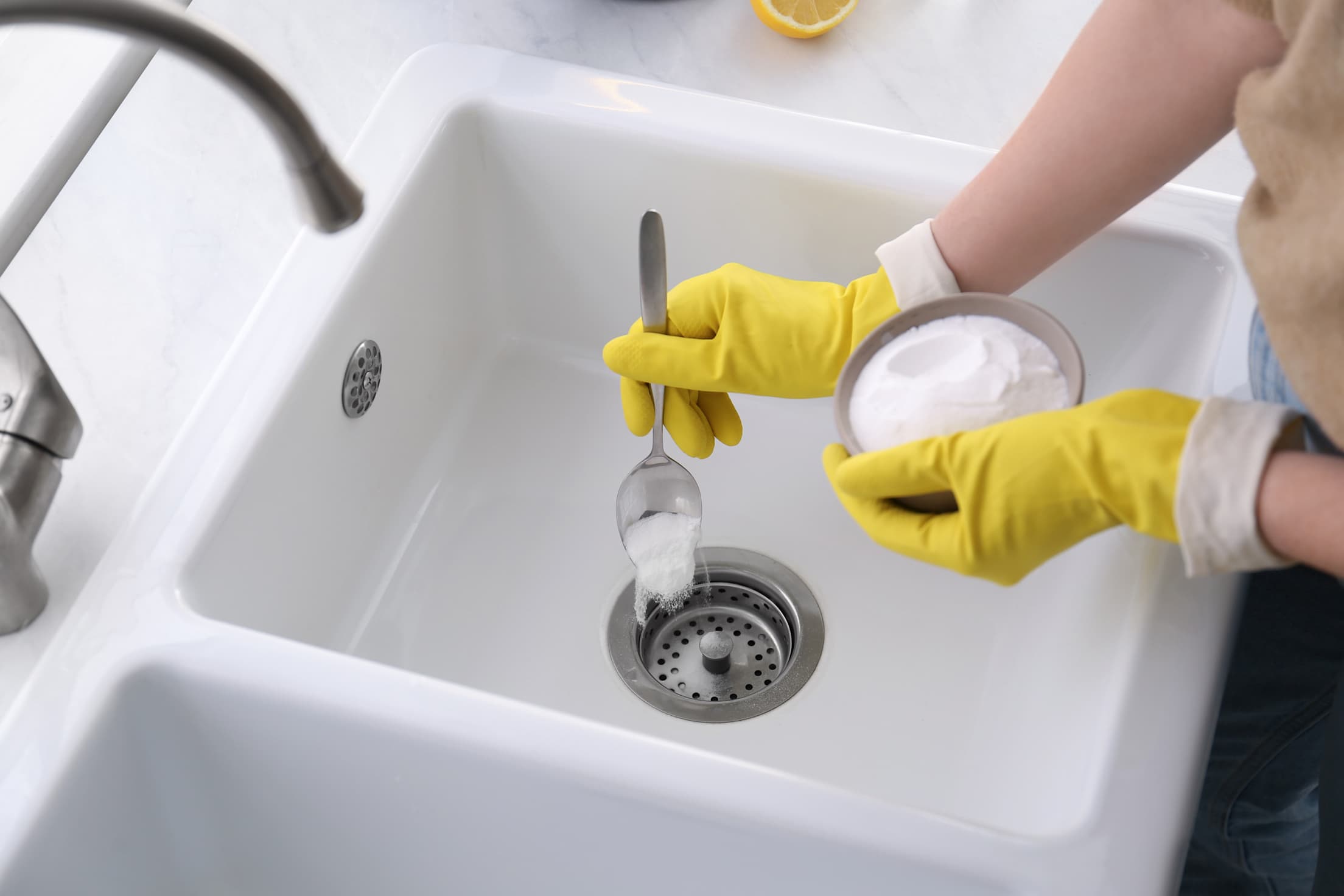
Baking soda is a natural cleaner. It’s safe and effective. Pour some into the drain. Follow with vinegar. Bubbles will form and fizz. This helps break down grime and dirt. It’s a simple and powerful cleaning method.
Rubber gloves protect your hands. They keep you clean and safe. Always wear them when cleaning drains. Use a bucket to catch any spills. It helps keep the area tidy. These tools make cleaning easier.
Preventive Measures
Regular cleaning of kitchen drain pipes prevents clogs and bad smells. Use baking soda and vinegar for a natural clean. Pour boiling water to flush out debris.
Regular Cleaning Routine
Clean kitchen drains monthly to avoid clogs. Pour hot water down the drain. Use vinegar and baking soda for deep cleaning. These help break down food particles. Keep drains smelling fresh.
Proper Waste Disposal
Throw food waste in the trash. Avoid flushing grease and oils down the sink. They can block pipes. Use a compost bin for organic waste. This keeps pipes clear and healthy.
Using Sink Strainers
Place strainers over drain openings. Catch food bits before they go down. Empty strainers after each use. This prevents blockages. Choose strainers that fit your sink size well.

Credit: www.aol.com
Step-by-step Cleaning Process
Begin by removing any visible debris from the drain. Pour hot water down the pipe to loosen buildup. Mix baking soda and vinegar, then pour it down the drain. Let it sit for 15 minutes, then rinse with hot water.
Repeat if necessary for stubborn clogs.
Initial Inspection
Look at the drain pipe closely. Check for visible dirt or blockages. Use a flashlight if needed. Identify areas needing attention. This helps to plan further actions.
Manual Removal Of Debris
Wear gloves for safety. Use a small brush to scrape off debris. Pull out visible waste with hands. Be gentle yet thorough. It helps clear the path for cleaners.
Applying Natural Cleaners
Mix equal parts of baking soda and vinegar. Pour mixture into the drain. It fizzes and breaks down grime. Wait for 10 minutes. Flush with hot water. Repeat if needed.
When To Call A Professional
When drain pipes block often, it can be a big problem. Common fixes might not work. You might need special tools to clear them. Professionals have strong tools that clear tough clogs. They can find what’s causing the problem. This helps stop future clogs. Expert help is best for stubborn blocks.
Bad smells that return can mean a deeper issue. Cleaning alone might not stop the smell. Professionals can check for hidden problems. They look at how pipes are set up. They find and fix causes of bad odors. Experts make sure your kitchen smells fresh.
Plumbing can be tricky. Pipes might be hard to reach. Professionals know how to handle this. They have the right tools and skills. Experts fix tough plumbing problems. They make sure everything works well.
Maintaining Clean Drains
Use baking soda and vinegar for a natural clean. Pour half a cup of baking soda into the drain. Follow with half a cup of vinegar. Let it fizz for 15 minutes. Rinse with hot water. This helps remove small clogs and bad smells.
Chemicals can damage pipes. Use a plunger for tough clogs. Try a drain snake for deep blockages. These tools are safe and effective. Regular use keeps drains clear.
- Listen for gurgling sounds.
- Watch for slow draining water.
- Note any bad smells from drains.
These signs mean your drain needs cleaning. Act fast to prevent bigger problems.
Frequently Asked Questions
How Often Should You Clean Kitchen Drain Pipes?
Clean kitchen drain pipes every month to prevent clogs and odors. Regular maintenance helps maintain optimal water flow. Use natural cleaning solutions like baking soda and vinegar. This keeps pipes free from grease and food debris. Regular cleaning extends the lifespan of your plumbing system.
What Causes Kitchen Drain Clogs?
Kitchen drain clogs are often caused by grease, food particles, and soap buildup. These substances accumulate over time. They create blockages that restrict water flow. Avoid pouring grease down the drain. Use sink strainers to catch food debris. Regular cleaning helps prevent clogs.
Can Vinegar And Baking Soda Unclog Drains?
Yes, vinegar and baking soda can effectively unclog drains. Pour half a cup of baking soda down the drain. Follow it with a cup of vinegar. Let the mixture fizz for 15 minutes. Rinse with hot water to clear the blockage.
This natural method is eco-friendly and cost-effective.
Is It Safe To Use Chemical Drain Cleaners?
Chemical drain cleaners can be effective but should be used cautiously. They contain harsh chemicals that can damage pipes. Overuse can lead to corrosion and pipe leaks. Always follow the manufacturer’s instructions. Consider using natural alternatives like baking soda and vinegar.
They are safer for both pipes and the environment.
Conclusion
Cleaning kitchen drain pipes is essential for a smooth-running kitchen. Regular maintenance prevents clogs and unpleasant odors. Use simple tools like baking soda and vinegar for natural cleaning. A plunger can also help dislodge stubborn blockages. Always remember to rinse with hot water afterwards.
These steps keep your pipes clear and your kitchen fresh. Regular care is key. With these tips, you can enjoy a hassle-free kitchen experience. No more worries about slow drains or bad smells. Happy cooking!