Is your kitchen sink draining slowly or giving off unpleasant odors? The problem might be a clogged P-trap—the curved pipe under your sink that catches debris and prevents sewer gases from coming up.
Cleaning your P-trap may sound tricky, but you can do it yourself with just a few simple steps. In this guide, you’ll learn exactly how to clean your kitchen sink’s P-trap quickly and easily, saving you time, money, and the hassle of calling a plumber.
Ready to get your sink flowing smoothly again? Let’s dive in!
Tools And Materials Needed
Gather basic cleaning supplies like a bucket, sponge, and dish soap. A small brush or old toothbrush helps remove grime. Use a wrench or pliers to loosen pipes safely. Keep a towel handy to catch spills.
Wear safety gear like gloves to protect hands from dirt and chemicals. Safety glasses prevent splashes from reaching your eyes. Old clothes or an apron keep your clothes clean during the job.

Credit: www.youtube.com
Preparing The Area
Clear the space under the sink to make room for cleaning. Remove any boxes, bags, or cleaning supplies. This gives easy access to the P trap and prevents items from getting wet or damaged.
Protect the floor by placing a towel or small bucket underneath the P trap. This catches any water or debris that might spill during cleaning. It also keeps the area clean and dry.
Turning Off Water Supply
First, find the water valves under your kitchen sink. They are usually two knobs or levers. One is for hot water, and the other is for cold water. Turn both knobs to the right to shut off the water. This prevents any leaks or spills while cleaning. Make sure the water is off by turning on the faucet. If no water comes out, you have done it correctly. Always ensure the water is off before starting any cleaning. Safety is very important in every task.

Credit: www.thecooldown.com
Removing The P Trap
Slip nuts hold the P trap in place under the sink. Use a wrench or your hands to loosen them. Turn the nuts counterclockwise until they come off easily. Prepare a bucket to catch water that may spill. Keep a towel nearby for any leaks.
Handle the P trap gently to avoid damage. The trap may have water and debris inside. Carry it carefully to avoid spilling. Place it over the bucket to empty the water.
Cleaning The P Trap
Start by placing a bucket under the P trap to catch water. Unscrew the slip nuts carefully. Remove the P trap and check for debris inside. Use a brush or cloth to clean out food bits, grease, and dirt. Rinse the P trap with warm water to clear leftover grime. Make sure the pipe is clean before reassembling.
For stubborn buildup, apply a cleaning solution. Use a mild mixture of vinegar and baking soda or a store-bought cleaner safe for pipes. Pour the solution inside the P trap and let it sit for 10-15 minutes. Rinse thoroughly with warm water to flush out loosened debris. This helps keep the drain clear and smelling fresh.
Inspecting And Replacing Parts
Carefully inspect the P trapfor cracks or rust. Check all parts for any signs of wear or damage. Look at the seals and washers closely. These parts keep water from leaking.
Replace seals if they appear cracked, dry, or swollen. Old seals lose their tight fit and cause leaks. Use new seals that match the size exactly.
Signs to replace seals include:
- Water leaking under the sink
- Visible cracks or breaks in seals
- Seals feel sticky or hard
| Part | What to Check | When to Replace |
|---|---|---|
| P trap body | Cracks, rust, clogging | Visible damage or leaks |
| Seals and washers | Cracks, dryness, swelling | Leaks or poor fit |
| Joints and connectors | Loose or damaged parts | Leaks or instability |
Reinstalling The P Trap
Make sure all parts of the P trapfit together well. Align the curved section and straight pipes so no gaps appear. This helps prevent leaks.
Check that the washers sit correctly between the pipes and nuts. They create a tight seal and stop water from dripping out.
- Tighten the nuts by hand first, so parts stay in place.
- Use a wrench to make nuts snug, but not too tight.
- Over-tightening can crack pipes or damage washers.
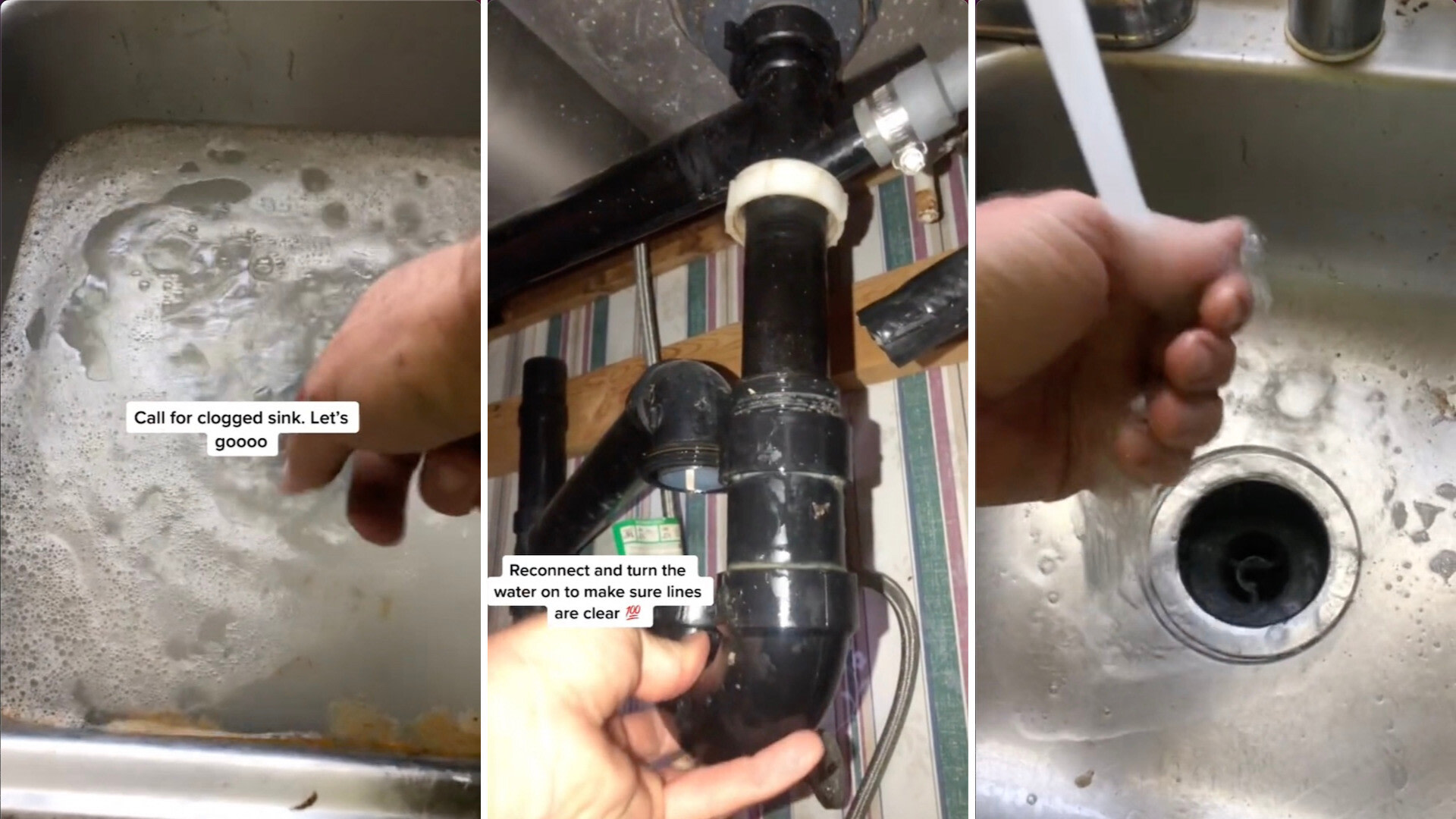
- Test the sink by running water to check for leaks.
Testing For Leaks
Run water through the sink and watch the P trap carefully. Look for any water drops or wet spots around the trap. These signs show possible leaks. Check the pipes under the sink for moisture or dripping. Use a dry cloth to wipe areas, then run water again to spot new wet spots. Tighten any loose connections gently with a wrench. Do not overtighten, as this can cause damage.
- Observe the P trap while water runs.
- Look for drips or wet spots.
- Check pipe joints and seals closely.
- Use a cloth to detect moisture.
- Tighten loose fittings carefully.
Tips To Prevent Future Clogs
Regular maintenancekeeps the P trap clear and working well. Pour hot water slowly into the drain once a week. This helps melt grease and wash away small food bits. Use a drain strainer to catch hair and larger particles before they go down the drain. Avoid pouring oil or grease down the sink; these cause sticky clogs. Clean the strainer after every use to keep it effective. A little care goes a long way in preventing blockages.
Avoiding common mistakesprotects your pipes. Do not use harsh chemical cleaners often; they can harm pipes. Avoid flushing large food scraps or coffee grounds into the sink. These tend to build up in the trap and cause clogs. Never force a clog with too much pressure or sharp objects. Gentle care keeps your kitchen sink running smoothly for longer.
Credit: www.thecooldown.com
Frequently Asked Questions
How Often Should I Clean My Kitchen Sink P Trap?
Clean your kitchen sink P trap every 3 to 6 months. Regular cleaning prevents clogs and bad odors. It keeps your drainage system working efficiently and avoids plumbing issues.
What Tools Do I Need To Clean A P Trap?
You need a bucket, adjustable wrench, gloves, and a brush. A flashlight helps to see inside the trap. These tools make the cleaning process safe and easy.
Can I Use Chemicals To Clean A P Trap?
Avoid harsh chemicals as they can damage pipes. Use natural solutions like baking soda and vinegar. These are safer and effectively break down grease and debris.
How Do I Remove And Clean A P Trap Safely?
Turn off the water supply first. Place a bucket under the trap to catch water. Unscrew the trap carefully, clean it with a brush, then reassemble and check for leaks.
Conclusion
Cleaning your kitchen sink’s P trap keeps water flowing smoothly. Regular checks stop clogs and bad smells. Use simple tools and a little time. Avoid harsh chemicals to protect your pipes. A clean P trap helps your kitchen stay fresh and clean.
Small effort. Big difference. Keep your sink working well every day.