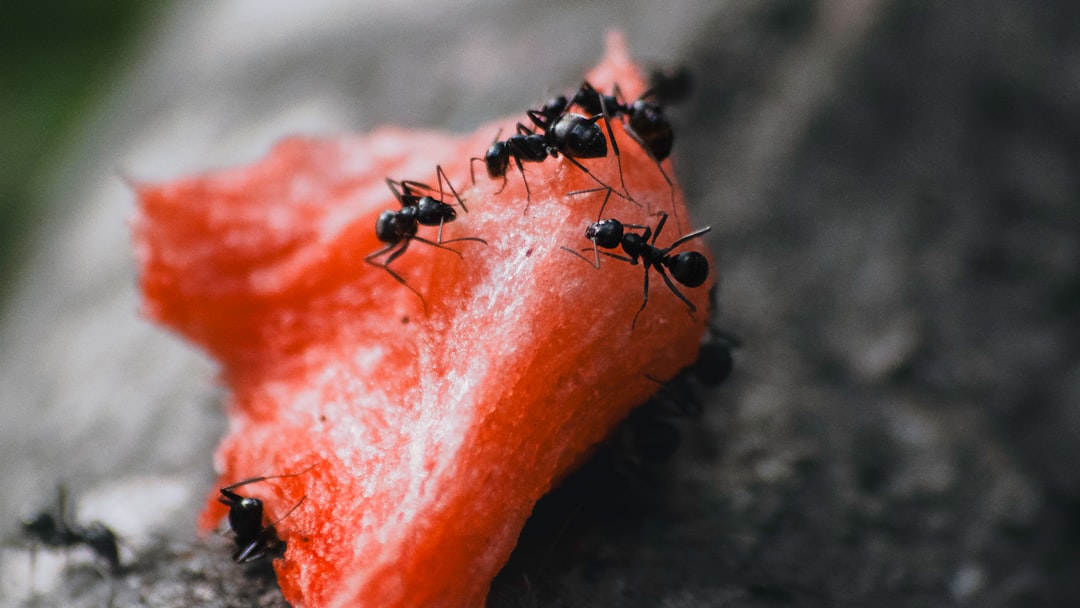
Are tiny invaders marching across your kitchen countertops, turning your cooking space into their own little kingdom? Ants are more than just a nuisance; they can be a persistent problem that seems impossible to solve.
If you’re tired of seeing these unwelcome guests in your kitchen, you’re not alone. Many people struggle with ant infestations, but the good news is that getting rid of them doesn’t have to be a daunting task. Imagine your kitchen, clean and ant-free, where you can cook and enjoy meals without worry.
Sounds perfect, right? In this guide, we’ll explore effective and simple strategies to help you reclaim your kitchen from these pesky intruders. Get ready to say goodbye to ants once and for all!

Credit: en.brilio.net
Identify Ant Species
Knowing the ant speciesis important. Different ants need different methods. Common types in kitchens are carpenter antsand sugar ants.
Carpenter ants are large and black. They love wood and can damage it. Sugar ants are small and brown. They love sweet food.
Check where ants come from. Follow their trail to find their nest. Ants leave behind scent trails. These trails help others find food.
Look at the ants closely. Use a magnifying glass if needed. Count the legs and look at the body shape. This helps in identifying the type.
Consult online guides or books. They can help identify specific species. Knowing the species helps in choosing the right removal method.
Find Ant Entry Points
Ants enter through tiny cracks and gaps. Check windows and doors closely. Look for any small openings they might use. Use a flashlight to see better in dark corners. Seal all cracks with caulk to stop them. Pay attention to spots near pipes and wires. These are common entry points for ants. Check under the sink and around appliances.
Watch for trails of ants leading to their entry. Follow these trails to find where they come from. Remove any food sources nearby that attract them. Clean surfaces to remove any scent trails. This makes it harder for ants to find their way back.
Remove Food Sources
Seal food in airtight containers to prevent ant attraction. Clean spills and crumbs immediately to remove food sources. Keep countertops and floors free of food debris to deter ants from entering your kitchen.
Store Food Properly
Ants love food left out. Keep food in sealed containers. Use glass or plastic jars. Ants cannot enter these easily. Store fruits and vegetables in the fridge. This keeps them safe from ants. Use airtight bags for chips and snacks. This helps in blocking ants.
Clean Up Spills And Crumbs
Clean spills quickly. Ants find spilled juice and sugar. Wipe counters after cooking. Crumbs attract ants too. Use a broom or vacuum to remove crumbs. Check floors and shelves for crumbs. Clean these spots every day. Ants also love pet food. Sweep around pet bowls often.

Credit: www.express.co.uk
Natural Repellents
Ants dislike vinegar. Mix vinegar with water. Use equal parts. Spray it on counters. Also spray around floors. It keeps ants away. Repeat every few days. They will not return. Vinegar smell confuses ants. They lose track.
Ants hate strong smells. Use essential oils. Peppermint works best. Also try tea tree oil. Mix with water. Spray it near ant trails. Smell disrupts them. They avoid the area. Reapply every few days. Oils are safe. They smell nice too.
Chemical Solutions
Effective chemical solutions can swiftly eliminate ants from your kitchen. Choose ant sprays or bait stations designed for household use. These products target ant colonies, ensuring a cleaner, pest-free environment.
Ant Baits
Ant baits are useful for killing ants in the kitchen. Ants carry the bait back to their nests. This helps to eliminate the entire colony. Place baits near ant trails or where ants enter. Be patient, as it may take a few days to see results.
Sprays And Powders
Sprays and powders can be effective for immediate ant control. Use sprays to target visible ants directly. Apply powders in cracks and small spaces. Keep these chemicals away from food and kitchen surfaces. Always read the instructions before using these products.
Seal Cracks And Crevices
Ants find tiny paths to enter the kitchen. Seal cracksand crevices to stop them. Use caulk or sealant for this. Check walls and floors for holes. Ants use these to get inside. Fill any gaps you find. Windows and doors also need checking. Use weather strips for sealing. This blocks ants from entering.
Kitchen cabinetscan have hidden cracks. Look behind them for openings. Ants hide there often. Seal these spots to keep ants out. Check under the sink too. Pipes may have gaps. Fix these with sealant. Regular checks help keep ants away.
Maintain Cleanliness
Keep the kitchen tidy every day. Wipe the counters after cooking. Sweep the floor to remove crumbs. Use a damp cloth for sticky spots. Pay attention to corners and edges. Ants love hidden places. Clean spills immediately to avoid ant attraction. Use soap and water for effective cleaning. Store food in sealed containers. Ants are attracted to open food items.
Empty the trash regularly. A full trash can attracts ants. Use trash bags to contain waste. Keep the trash can lid closed tightly. Place trash cans away from doors. Wash the trash can often. Leftover smells attract ants. Recycle clean items only. Dirty recyclables invite ants. Dispose of food scraps quickly. Avoid leaving them on counters.

Credit: www.facebook.com
Professional Pest Control
Professional pest control servicesare experts at getting rid of ants. They use special tools and safe chemicals to remove them. The experts know where ants hide and how to remove them. They check your kitchen and find the ant nests. Then, they use the right methods to clear them out.
Hiring professionals saves time and effort. They ensure that ants don’t return. Professionals also provide tips to keep your kitchen ant-free. Their service is quick and effective. It’s a smart choice for a clean kitchen.
Frequently Asked Questions
How Can I Prevent Ants In My Kitchen?
To prevent ants, keep the kitchen clean and free of crumbs. Store food in sealed containers and wipe surfaces regularly. Fix any leaks to remove water sources and seal entry points with caulk. Consider using natural repellents like peppermint oil around windows and doors.
What Natural Remedies Repel Ants?
Natural remedies like vinegar, lemon juice, and peppermint oil can repel ants. Spray vinegar or lemon juice on countertops and entry points. Use peppermint oil on cotton balls and place them in areas where ants enter. These natural solutions disrupt ants’ scent trails effectively.
Do Ant Baits Work In Kitchens?
Ant baits are effective in kitchens as they attract ants with poison-laced bait. Ants carry the bait back to the colony, eliminating the nest. Place baits near ant trails and entry points. Ensure they are inaccessible to pets and children for safety.
Can Ants Damage Kitchen Appliances?
Ants can infiltrate kitchen appliances, causing potential damage. They are attracted to electrical components, seeking warmth and food residues. Clean appliances regularly and seal any gaps to prevent ant entry. If ants persist, consult a professional for safe removal.
Conclusion
Ants in the kitchen can be a real bother. Try the tips shared here. Clean surfaces often. Seal food tightly. Use natural repellents like vinegar. Regular maintenance helps prevent infestations. Look for entry points and close them. Keep your kitchen dry and clean.
Ants hate dry places. Use bait if needed. Remember, persistence is key. Stay patient and consistent. Soon, your kitchen will be ant-free. Enjoy your cooking space again. Keep these tips handy. Share them with friends and family. Everyone deserves an ant-free kitchen.