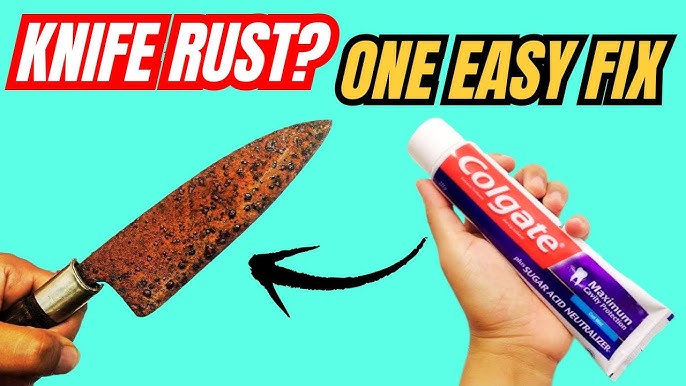
Rust on your kitchen knife can be frustrating. It dulls the blade, makes cutting harder, and can even affect the taste of your food.
But don’t worry—you don’t need to toss your favorite knife just yet. You can easily get that rust off and bring back the sharp, smooth edge you love. You’ll discover simple, effective ways to remove rust and keep your knife looking brand new.
Keep reading, and you’ll learn how to restore your knife quickly, safely, and without any special tools. Your kitchen and your meals will thank you!

Credit: coltellimania.com
Causes Of Rust On Kitchen Knives
Rustforms on kitchen knives mainly due to moistureand poor storage. Water left on the blade after washing can cause rust quickly. Storing knives in damp places or without drying them well increases rust risk.
Other common factors include:
- Exposure to acidic foods like lemon or vinegar
- Using knives on hard surfaces that damage the blade
- Leaving knives in the sink or dishwasher for long periods
- Not oiling or maintaining the blade, especially for carbon steel knives
Proper care and drying after use help prevent rust. Keeping knives in a dry, clean place reduces moisture exposure and helps maintain sharpness.

Credit: www.coolinastore.com
Tools And Materials Needed
Household items can help remove rust from kitchen knives safely. Common items include baking soda, which acts as a gentle abrasive. White vinegarhelps dissolve rust with its mild acid. Lemon juicealso works well because it contains natural acid. Using aluminum foilcrumpled into a ball can scrub rust spots without scratching the blade. Saltcombined with lemon juice increases scrubbing power. These items are cheap and easy to find at home.
Specialized cleaning products offer stronger rust removal. Rust removersdesigned for kitchen tools dissolve rust quickly. Metal polishesrestore shine and protect against future rust. Knife cleaning spraysoften include rust-preventive ingredients. Always follow product instructions carefully. Test on a small area first to avoid damage. These products are useful for tough rust or frequent knife care.
Safe Rust Removal Methods
Use gentle scrubbing with baking soda and water to lift rust without harming the blade. White vinegar soaks can also loosen rust safely. Dry and oil the knife well after cleaning to prevent future rust.
Baking soda is great for cleaning. Make a paste with water and baking soda. Spread the paste on the rusty knife. Let it sit for about an hour. Scrub the knife with a brush. Wash it with water. The rust should come off easily. White vinegar helps in removing rust. Fill a bowl with vinegar. Soak the knife in it for a few hours. Check if the rust is gone. Scrub it gently with a sponge. Rinse it with water. Dry it well to prevent more rust. Lemons have natural cleaning power. Sprinkle salt on the rusty parts. Squeeze lemon juice over the salt. Let it rest for 2 hours. Scrub the knife with the lemon peel. Rinse and dry the knife well. This will make it shine again. `Preventing Rust On Kitchen Knives
Cleaning knives right after use stops rust from forming. Rinse the blade with warm water and mild soap. Avoid harsh detergents that can damage the metal. Dry the knife fully with a soft cloth. Leaving water on the blade invites rust. Never leave knives soaking in water. This weakens the blade and handle over time.
Store knives in dry places away from moisture. Use a knife block or magnetic strip to keep blades safe and dry. Avoid tossing knives loosely in drawers. This can cause scratches and rust spots. Keep knives separated to prevent metal rubbing against other tools.
| Storage Option | Benefits |
|---|---|
| Knife Block | Protects blades, keeps them dry, easy access |
| Magnetic Strip | Saves space, prevents blade damage, air circulation |
| Knife Sheath | Guards blade, great for travel, keeps dry |
Maintaining Knife Sharpness After Cleaning
Keeping your kitchen knife sharp is key for easy cutting. Use a sharpening stone or a honing rod. Hold the blade at a 20-degree angle. Slide it gently across the sharpener. Repeat on both sides for a sharp edge. Do this often to keep the blade strong.
Set a regular care routine to keep knives in good shape. Clean knives after every use. Dry them well to stop rust from forming. Store knives safely in a block or on a magnetic strip. Avoid cutting on hard surfaces like glass or stone.
| Care Tip | Description |
|---|---|
| Sharpening Stone | Use at 20-degree angle, slide blade smoothly |
| Honing Rod | Realigns blade edge, use regularly |
| Cleaning | Wash and dry after each use |
| Storage | Keep knives in blocks or on magnetic strips |
| Cutting Surface | Use wood or plastic boards only |

Credit: www.thecookingguild.com
Frequently Asked Questions
How Can I Remove Rust From A Kitchen Knife Safely?
Use a mixture of baking soda and water to make a paste. Apply it to the rusty area, scrub gently with a soft brush, then rinse and dry thoroughly to prevent further rusting.
What Household Items Remove Rust From Knives Effectively?
Common items like white vinegar, lemon juice, and baking soda work well. Soak the knife or apply these substances, scrub lightly, then rinse and dry to restore your knife’s condition.
How Do I Prevent Rust On My Kitchen Knives?
Keep knives dry and store them in a dry place. Regularly oil the blade with food-safe mineral oil and avoid leaving knives wet after use to prevent rust formation.
Is It Safe To Use Steel Wool On Rusty Kitchen Knives?
Steel wool can remove rust but may scratch the blade. Use it gently or opt for softer abrasives like a nylon brush for safer rust removal.
Conclusion
Rust can damage your kitchen knife’s performance and safety. Removing rust keeps your knife sharp and clean. Use gentle methods like vinegar or baking soda for best results. Regular cleaning and drying help prevent rust from returning. A well-maintained knife lasts longer and works better.
Small efforts protect your tools and improve your cooking experience. Keep your knives rust-free for a safer, easier kitchen.