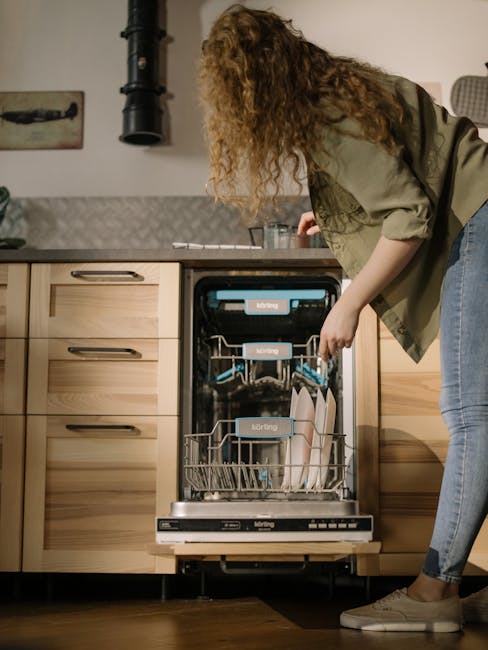
Loading your Kitchenaid dishwasher the right way can save you time, water, and energy. If you’ve ever opened your dishwasher only to find dishes still dirty or water spots on your glasses, this guide is for you.
You’ll learn simple, practical steps to arrange your plates, pots, and utensils perfectly every time. By the end, you’ll know how to get the most out of your Kitchenaid dishwasher, making your kitchen routine smoother and your dishes sparkling clean.
Keep reading—you’re just a few easy tips away from dishwasher success!
Prepare The Dishwasher
Remove any large food bits from dishes before loading. Rinse plates lightly if needed. Check the dishwasher filter and clean it if dirty. Make sure the spray arms can spin freely without blockage. Load pots and pans at the bottom rack facing down to allow water flow. Place cups, glasses, and small bowls on the top rack upside down to avoid water pooling. Avoid overloading; space items so water reaches all surfaces. Keep plastic items on the top rack only. Use the utensil basket for forks, knives, and spoons with handles down for safety. Close the door firmly before starting the cycle.
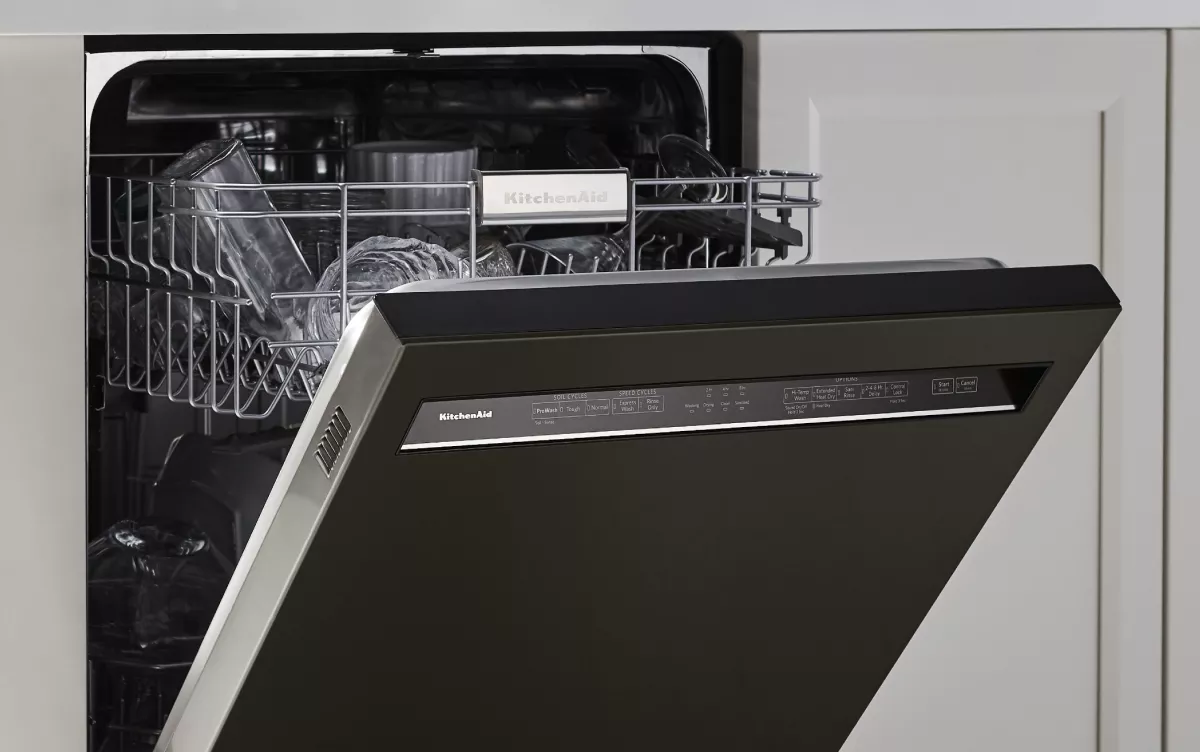
Credit: www.kitchenaid.com
Arrange Bottom Rack
Place large pots, pans, and plates on the bottom rack. Make sure items do not block the spray arms. Position plates facing the center for better cleaning.
Bowls should tilt slightly downward to let water flow inside. Avoid overcrowding to ensure water reaches every dish. Separate items to prevent nesting.
- Face sharp knives down for safety.
- Place cutting boards along the sides.
- Keep plastic items on the top rack to avoid melting.
Check that nothing blocks detergent dispenser or spray arms. Proper arrangement improves cleaning and dishwasher performance.
Load Top Rack
Place cups, glasses, and small bowls on the top rack. Arrange them facing down to let water flow inside. Avoid blocking the spray arms to ensure good cleaning. Plastic items go on top because the heat is gentler there.
Keep items spaced so water can reach all surfaces. Long utensils like spatulas can lay flat on the rack. Avoid placing heavy items on the top rack to prevent damage.
- Face cups and glasses downward
- Keep space between items
- Place plastic items only on top rack
- Lay long utensils flat
- Do not overload or block spray arms
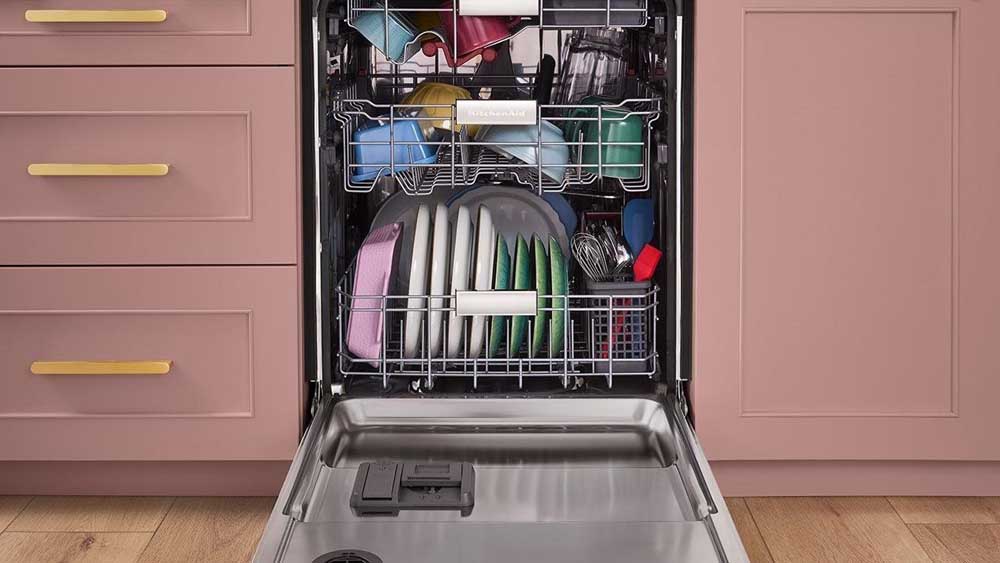
Credit: dailyastorian.com
Position Utensils Properly
Place forks and spoons in the utensil basket with handles down. This helps water reach all surfaces. Knives should be placed with handles up for safety. Avoid nesting utensils together; this stops proper cleaning.
Long utensils like spatulas and ladles fit best along the sides or top rack. Keep plastic items on the top rack to avoid melting. Sharp knives and heavy utensils should not touch other items.
- Mix different utensils to avoid nesting
- Keep sharp items separate for safety
- Place small items securely to prevent falling
- Do not overload the basket
Add Detergent And Start Cycle
Open the detergent dispenser on your KitchenAid dishwasher door. Use dishwasher detergent designed for automatic dishwashers only. Avoid using regular dish soap as it creates too many suds.
Fill the detergent compartment with the right amount of detergent. Check your detergent package for correct dosing. Close the dispenser lid firmly.
Choose the washing cycle based on your dish load and soil level. Most KitchenAid dishwashers have options like Normal, Heavy, or Quick Wash. Select the cycle using the control panel buttons.
Press the start button to begin the wash cycle. The dishwasher will lock the door for safety. Wait for the dishwasher to finish before opening the door.
- Use only dishwasher detergent.
- Do not overfill the detergent cup.
- Select the proper cycle for your dishes.
- Close the door securely before starting.
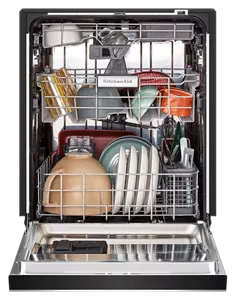
Credit: www.kitchenaid.com
Frequently Asked Questions
How Do I Arrange Dishes In A Kitchenaid Dishwasher?
Place large items on the bottom rack and smaller items on the top rack. Avoid blocking spray arms.
Can I Load Silverware All In One Basket?
Mix spoons, forks, and knives separately to prevent nesting and ensure better cleaning.
What Is The Best Way To Load Pots And Pans?
Place pots and pans at an angle on the bottom rack for thorough water flow.
Conclusion
Properly loading your Kitchenaid dishwasher saves time and water. Place large items on the sides and back. Keep smaller items in the top rack. Avoid overcrowding to ensure thorough cleaning. Use the right detergent and rinse aid for best results.
Regularly check and clean filters to maintain performance. Follow these steps, and your dishes will come out clean every time. Simple habits make a big difference. Enjoy a cleaner kitchen with less effort.