Are your kitchen countertops looking worn out or outdated? You don’t have to replace them to give your kitchen a fresh, new look.
Resurfacing your countertops can be a simple and cost-effective way to transform your space. In this guide, you’ll discover easy steps to bring life back to your countertops without the mess and expense of a full renovation. Keep reading, and you’ll find out how to make your kitchen shine again with just a little effort—and you might be surprised at how quickly you can achieve amazing results!

Credit: www.idealresurfacing.com
Preparing Your Workspace
Clear the countertop of all items and clean the surface thoroughly. Use protective coverings on nearby areas to avoid dust and damage. Ensure good lighting and ventilation for safe and efficient work.
Clearing And Cleaning The Countertop
Remove all items from the countertop. Use a damp cloth to wipe it. Make sure the surface is clean. You might need soap for sticky spots. Check for any damage or cracks. Fix them before you start.
Gathering Necessary Tools And Materials
Collect all tools you need. Get sandpaper, a putty knife, and a paintbrush. You will need countertop resurfacing products too. Have a safety mask and gloves ready. Don’t forget a bucket for mixing.
Ensuring Proper Ventilation And Safety
Open windows for fresh air. Turn on fans if you have them. Wear safety goggles to protect your eyes. Keep kids and pets away from the area. Check your tools are safe and in good condition.
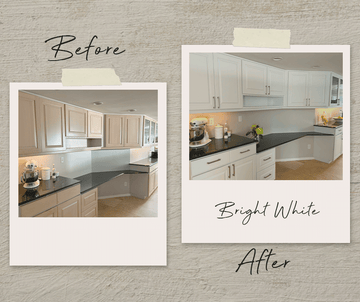
Credit: beyondpaint.com
Assessing Countertop Condition
Check your countertop for cracks, chips, or stains. Small scratches can often be fixed with simple repairs. Deep cracks or large damage might need full replacement. Look closely at corners and edges where damage often shows first.
Deciding between repair and replacement depends on the damage size and cost. Repair saves money and time if damage is minor. Replacement is better if damage is severe or spreads across large areas.
| Damage Type | Repair | Replacement |
|---|---|---|
| Small scratches | Yes | No |
| Chips & cracks | Sometimes | Sometimes |
| Large cracks or stains | No | Yes |
Sanding The Surface
Choosing the right sandpaper gritis key for smooth countertops. Start with coarse grit (60-80)to remove old finish or deep scratches. Then, use medium grit (120-150)to smooth the surface. Finish with fine grit (220-320)for a soft, even texture.
For even sanding, always sand in the direction of the grain. Use light, steady pressureto avoid gouges. Move the sander or sandpaper in small circles or straight lines. Check the surface often to keep it uniform.
After sanding, clean all dust with a vacuum or brush. Wipe the surface using a damp clothto remove fine particles. Let it dry completely before any further work.
Applying Primer
Choose a primermade for kitchen surfaces like laminate, tile, or wood. A high-quality primerhelps paint stick and last longer. Use stain-blockingprimers to cover old marks or stains. For glossy countertops, select a bonding primerto ensure proper adhesion.
- Clean the surface before applying primer.
- Use a foam rollerfor smooth, even coats.
- Apply thin layers to avoid drips and bubbles.
- Work in small sections for better control.
- Lightly sand between coats if needed for smoothness.
| Primer Type | Drying Time | Notes |
|---|---|---|
| Latex Primer | 30-60 minutes | Easy cleanup with water |
| Oil-based Primer | 1-2 hours | Better for tough stains |
| Bonding Primer | 1 hour | Best for slick surfaces |
Painting Or Coating The Countertop
Choosing the right paint or epoxy coatingis key to a good finish. Paint is easy to apply but less durable. Epoxy coatings are stronger and resist water and stains better. Both need a clean, dry surface to stick well.
Use thin, even layersfor the best look. Let each coat dry fully before adding the next. Sand lightly between coats for smoothness. A final clear coat can protect your work and add shine.
- Clean the countertop thoroughly before starting.
- Do not skip sanding; it helps paint stick.
- Apply thin coats to avoid drips and bubbles.
- Work in a dust-free area for a clean finish.
- Wear gloves and ventilate the space well.

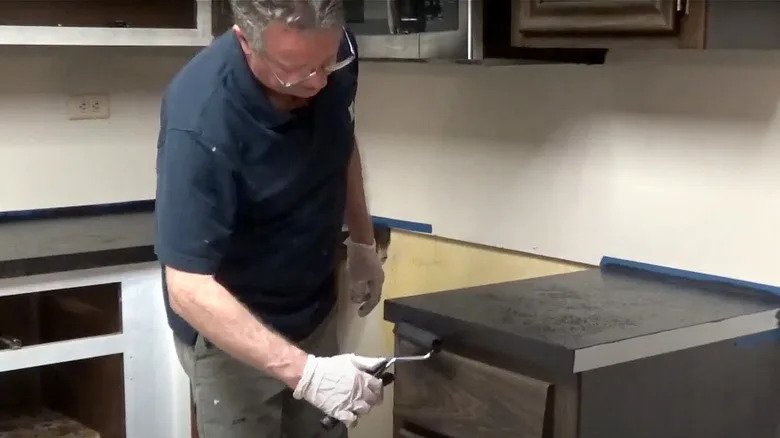
Credit: www.countertopepoxy.com
Sealing And Protecting
Choose a sealerthat suits your countertop material. Some sealers work best on stone, while others fit laminate or wood. Look for water-resistantand heat-resistantoptions to protect against spills and stains.
Apply the sealant in a thin, even layerusing a brush or roller. Avoid thick coats to prevent bubbles and uneven drying. Work in small sections to cover every part thoroughly.
Let the sealant cure fully. This usually takes 24 to 48 hours but check the product instructions. During curing, avoid using the countertop or placing heavy items on it.
Keep your countertop clean with a soft clothand mild soap. Avoid harsh chemicals that can damage the seal. Reapply the sealer every 1-2 years to keep the surface protected and looking fresh.
Final Touches And Cleanup
Carefully inspect the countertopfor any cracks, bubbles, or uneven spots. Fix small flaws with a fine sandpaper or filler. This makes the surface smooth and ready.
Use a soft cloth, mild detergent, and warm waterto clean tools and workspace. Remove all dust and debris to avoid marks. Proper cleanup ensures a neat finish.
- Wipe spills quickly to prevent stains.
- Use cutting boards to avoid scratches.
- Avoid placing hot pots directly on the surface.
- Clean regularly with gentle cleaners.
- Apply a sealant every few years for protection.
Frequently Asked Questions
How Long Does Resurfacing Kitchen Countertops Take?
Resurfacing kitchen countertops usually takes 2 to 3 days. This includes cleaning, sanding, applying coatings, and drying time. Complex surfaces may take longer. Planning ahead ensures a smooth process and minimal kitchen downtime.
What Materials Can Be Resurfaced On Countertops?
Most common countertop materials like laminate, tile, and wood can be resurfaced. Solid surfaces like granite or marble typically require professional refinishing. Always check material compatibility before starting your project for best results.
Is Resurfacing Cheaper Than Replacing Countertops?
Yes, resurfacing is generally more affordable than full replacement. It saves money on materials and labor. Resurfacing also reduces waste and is quicker. However, extensive damage might require replacement for durability.
What Tools Are Needed To Resurface Countertops?
Basic tools include sandpaper, putty knife, primer, paint or epoxy, and brushes or rollers. Safety gear like gloves and masks is essential. Having the right tools ensures a smooth, long-lasting finish.
Conclusion
Resurfacing kitchen countertops can save money and time. It gives old surfaces a fresh, clean look. The process is simple with the right tools and steps. Small scratches and stains will disappear easily. You can do this project yourself at home.
Just follow each step carefully and patiently. Enjoy your kitchen’s new appearance without a full remodel. A little effort goes a long way in updating your space. Try resurfacing to keep your kitchen looking nice and neat.