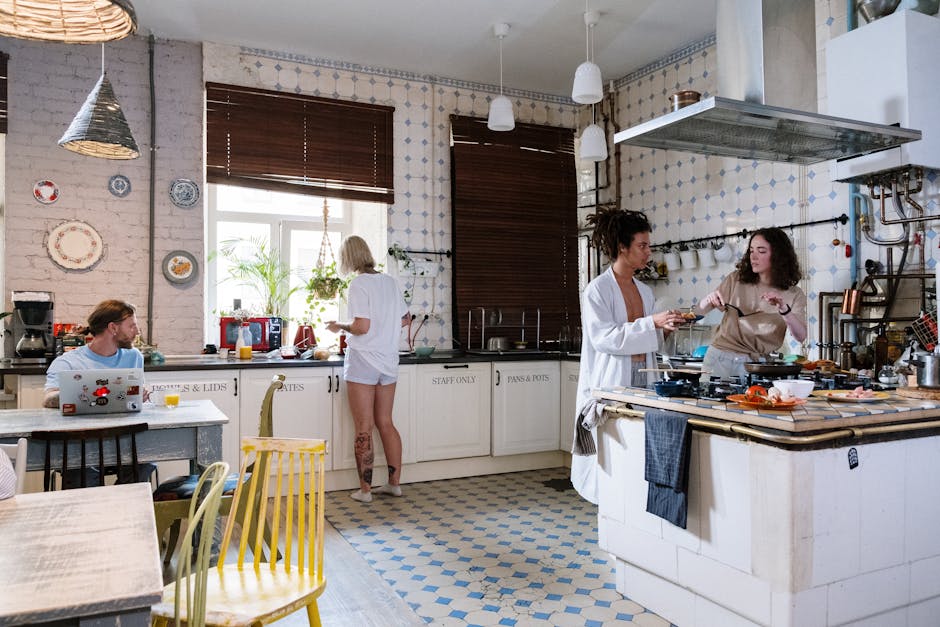
Are you tired of the chaos that comes with an open floor plan, where the clatter of dishes competes with your favorite TV show? You’re not alone.
Many homeowners crave a bit of separation between their kitchen and living room to create a more organized and peaceful living space. Imagine a home where you can cook without the pressure of entertaining guests at the same time. Picture a living room where you can relax without the visual clutter of kitchen appliances.
This guide will show you how to create this balance, making your home more functional and aesthetically pleasing. Dive in to discover practical solutions that fit your lifestyle and boost your home’s appeal.
Open Concept Design
Open concept designjoins rooms together. It makes spaces feel larger and brighter. This style is popular in modern homes. It allows more light and air to flow freely. An open kitchen and living room can look stylish. But some people want a bit more separation.
Use simple dividersfor separation. A tall shelf can act as a divider. It gives privacy while still being open. Plants are also a good choice. They add color and life to the room.
Consider different flooringfor each space. Use tiles for the kitchen and wood for the living room. This helps define each area. Rugs can also create separation. They add warmth and texture.
Furniture can help separate spaces. Place a sofa to divide the living room from the kitchen. Use backless seating for a light feel. This keeps the open look while offering separation.
Room Dividers
Room dividers are a simple way to separate spaces. They can be curtains, screens, or shelves. Curtains are easy to install and move. Screens can be folded and stored easily. Shelves provide storage and division. Choose a style that matches your room.
Some dividers let light pass through. This helps the space feel open. Others are solid and give more privacy. Think about your needs before choosing. Room dividers can be a fun way to decorate. You can change them when you want a new look.
Furniture Arrangement
Arrange furniture to create two separate spaces. Use a sofa as a divider between the kitchen and living room. This makes a clear boundary. Place a rug under the sofa. The rug marks the living room area. A bookshelf can also act as a partition. It provides storage and separation. Use different lighting for each area. Pendant lights can define the kitchen space. Table lamps work well in the living room.
Consider the orientation of the furniture. Keep the kitchen area bright and open. Face the sofa towards the living room. This creates a welcoming atmosphere. Use plants to enhance the space. Place them near the boundary. They add natural beauty and freshness.
Color Schemes
Choosing the right colors can make a big difference. Use contrasting colorsto separate spaces. A light color in the living room and a darker shade in the kitchen works well. This creates a clear visual division. Neutral tonescan blend smoothly. They offer a subtle separation without clashing. Consider adding a feature wallfor more impact. A bright color can highlight one area, making it distinct.
Patterns also play an important role. Stripes or geometric designs can define spaces. They add character and style to your home. Use accentslike pillows or curtains. These small touches can complement the main colors. They help in maintaining harmony between the two areas. Remember, the goal is to create a balanced look. This ensures each space feels unique but connected.
Lighting Choices
Lighting can help separate the kitchen from the living room. Use different types of lighting for each area. In the kitchen, add bright, focused lights. These help with cooking and cleaning. In the living room, choose soft, warm lights. They create a cozy atmosphere.
Consider using pendant lights in the kitchen. They provide direct light over the counter. For the living room, try floor or table lamps. These give a relaxed feel.
Recessed lightsare another option. Install them in both areas. Use brighter bulbs in the kitchen. Use softer bulbs in the living room. This creates a natural boundary.
Adding smart lightingcan also be helpful. Change the light color and brightness easily. This helps set different moods for each space.
Architectural Elements
Wallscan create clear boundaries between spaces. They offer privacy and sound control. Use glass walls for light and openness. Glass walls keep spaces bright.
Partitionsare movable barriers. They are flexible and easy to adjust. Choose folding or sliding designs. These save space and add style.
Archwaysprovide a subtle separation. They are decorative and inviting. Archways are perfect for open-concept homes.
Columnscan define areas without closing them off. They support structures and add elegance. Use them for a classic look.
Rugscan divide spaces visually. They are soft and colorful. Rugs make each area feel special.
Ceiling beamscan separate rooms vertically. They add charm and character. Beams make spaces feel cozy.
Frequently Asked Questions
How Can I Divide My Open-plan Space?
You can use furniture, rugs, or curtains to create distinct areas. Bookshelves or folding screens work well too. Consider a partial wall or glass partition for a more permanent solution. Each option adds a visual boundary, maintaining the open feel while providing separation.
What Are Some Stylish Room Dividers?
Consider using sliding barn doors, decorative screens, or freestanding bookshelves. Plants, especially tall ones, make natural dividers. Hanging bead curtains or using fabric drapes can add elegance. Choose dividers that complement your decor to enhance the overall aesthetic.
Can Lighting Help Separate Spaces?
Yes, strategic lighting can define different areas. Use pendant lights over dining areas and floor lamps in living spaces. Dimmers allow flexibility in lighting levels, enhancing separation. Properly placed lighting creates zones without physical barriers, adding ambiance and functionality.
What Color Schemes Work For Separation?
Use contrasting colors to define spaces effectively. Light shades can make areas feel spacious, while dark tones add coziness. Complementary colors on walls or furniture can create visual boundaries. Choose a consistent palette to maintain harmony while distinguishing different zones.
Conclusion
Separating the kitchen from the living room enhances your home’s functionality. It creates distinct spaces, making each area more focused. You can achieve this separation with simple design changes. Consider using furniture or room dividers. These options are both affordable and effective.
Open shelves or plants can subtly define zones. These choices maintain an open feel while offering separation. Personalize the design to fit your style. Remember, even small changes can make a big impact. Create a space that suits your family’s needs.
Enjoy a harmonious balance between cooking and relaxing.