Are your kitchen knives feeling dull and frustrating to use? A sharp knife can make cooking faster, safer, and more enjoyable.
But you don’t need to spend money on expensive sharpening services or new blades. You can easily sharpen your kitchen knives at home with a few simple tools and techniques. In this guide, you’ll discover how to bring your knives back to life, slice like a pro, and make every meal prep smoother.
Ready to unlock the secret to sharper knives? Let’s dive in!

Credit: chefjulieyoon.com
Choosing The Right Tools
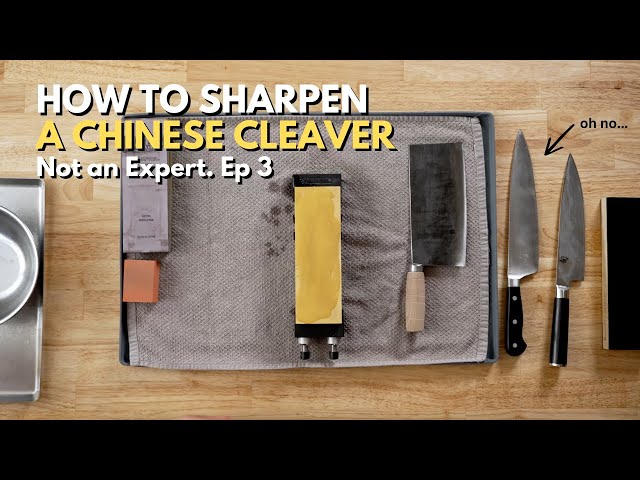
Choosing the right tool is key for sharp kitchen knives. Whetstonesoffer control and precision. They need water or oil to work well. Using whetstones takes practice but gives great results.
Electric sharpenersare quick and easy. They have slots to guide the knife. These sharpeners suit those wanting fast, simple sharpening. They may remove more metal than needed.
| Grit Level | Use |
|---|---|
| Coarse (200-400) | Fix very dull or damaged edges |
| Medium (800-1000) | Sharpen dull knives |
| Fine (3000+) | Polish and refine sharp edges |
Preparing Your Knife
Start by cleaning the bladethoroughly. Use warm water and mild soap to remove dirt and grease. Dry it well with a soft cloth to avoid rust. A clean blade sharpens better and safer.
Next, inspect the bladefor any damage. Check for chips, cracks, or bends. Small nicks can be fixed during sharpening. Major damage may need professional help or replacement. Always handle the blade carefully during this check.
Sharpening Techniques
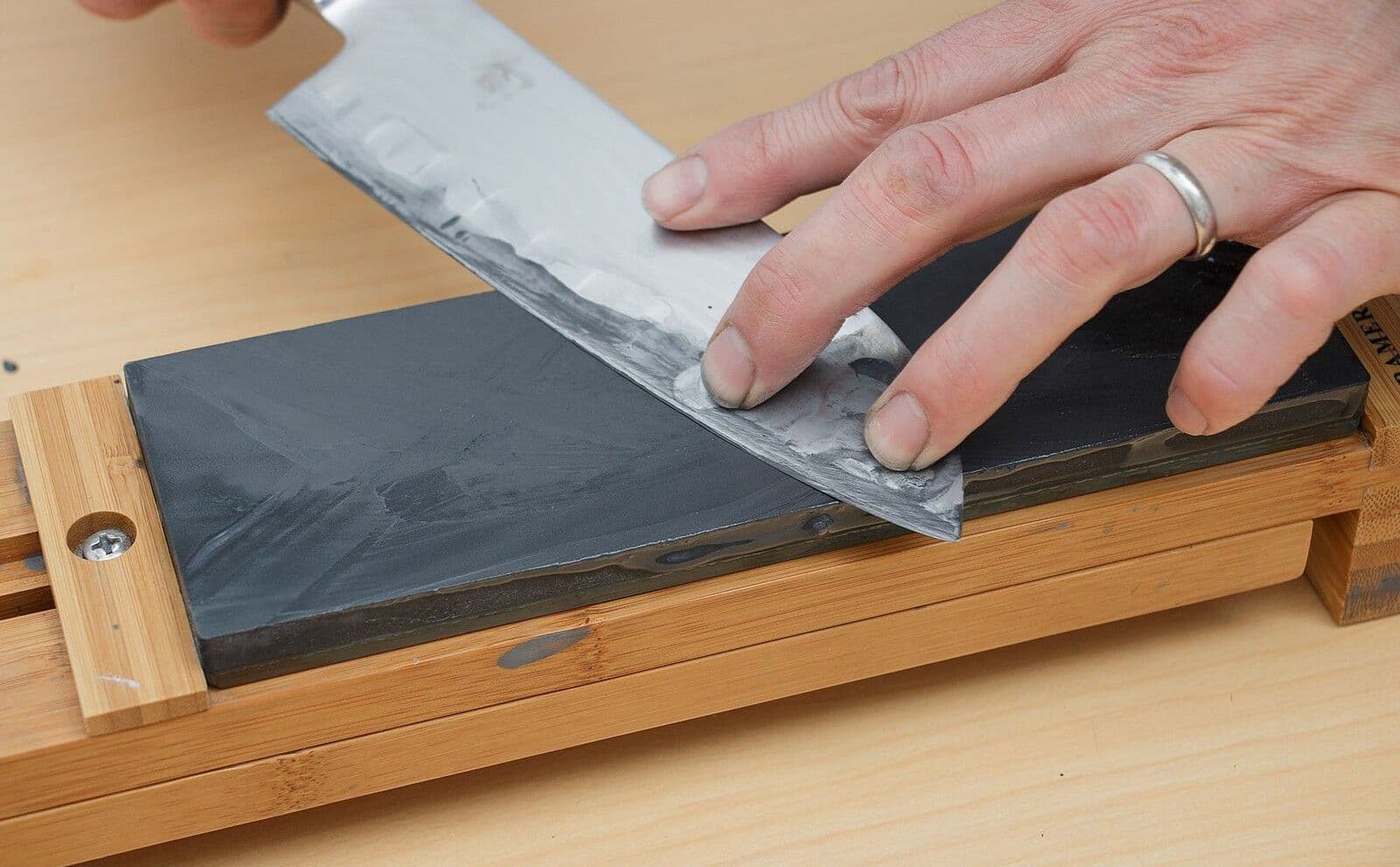
Using a Whetstonerequires soaking the stone in water first. Hold the knife at a 15 to 20-degree angle. Slide the blade across the stone in smooth, even strokes. Repeat on both sides for an even edge. Patience is key to get a sharp blade.
Using a Manual Sharpeneris simple and fast. Place the sharpener on a stable surface. Pull the knife through the slots from heel to tip. Use gentle pressure to avoid damage. This tool is good for quick touch-ups.
Using an Electric Sharpeneroffers speed and ease. Turn the machine on and slowly pull the knife through the slots. The motor does the work, so keep the blade steady. It’s ideal for dull knives and busy kitchens.
Credit: www.culinarywonderland.com
Maintaining Blade Angle
Maintaining the correct blade angleis key to sharpening knives well. Most kitchen knives need an angle between 15° and 20°. Asian-style knives often use a sharper 15° angle. Western knives work best around 20°. Keeping this angle steady ensures a sharp, durable edge.
Consistency matters. Try these tips:
- Use a sharpening guide or angle guide tool.
- Hold the knife firmly but relaxed.
- Sharpen each side evenly with the same angle.
- Practice the angle motion slowly at first.
| Knife Type | Optimal Sharpening Angle |
|---|---|
| Asian-style (e.g., Santoku) | 15° |
| Western-style (e.g., Chef’s knife) | 20° |
Honing And Polishing
Honing keeps the knife edge straight by removing small bends after use. Polishing smooths the blade surface, making it sharper and easier to clean. Both improve cutting performance and extend the knife’s life.
Difference Between Sharpening And Honing
Sharpeningcuts new edges by removing metal. Honingrealigns the blade’s edge without removing metal. Sharpening is for dull knives. Honing keeps knives sharp for daily use.
Using A Honing Rod
Hold the honing rod firmly. Place the knife at a 15-20 degree angle. Slide the blade down the rod gently. Repeat on both sides to realign the edge.
Polishing For A Smooth Edge
Polishing smooths out small rough spots on the blade. Use a fine grit stone or leather strop. Move the blade gently across the surface. This step makes cutting easier and safer.
Testing Sharpness
The Paper Testis a quick way to check sharpness. Hold a piece of paper and try slicing it with the knife. A sharp knife will cut smoothly without tearing the paper. If it struggles or tears the paper, it needs more sharpening.
The Tomato Testshows if the knife can cut soft food easily. Place a tomato on a flat surface. A sharp knife will slice through the skin with little pressure. If the knife squashes or slips, it is dull.
The Fingernail Testis a simple way to feel the edge. Gently drag the knife’s edge across your fingernail. A sharp blade will catch or grip slightly. A dull blade will slide off without resistance. Be careful not to cut yourself.
Safety Tips
Handle knives carefully to avoid cuts while sharpening. Use a stable surface and keep fingers away from the blade’s edge. Regularly check the blade angle for consistent sharpening.
Handling Knives Carefully
Always hold the knife by the handle. Keep fingers away from the blade. Never try to catch a falling knife. Use a towel or glove for better grip. Store knives in a safe place, away from kids. Always cut on a stable surface.
Proper Sharpening Posture
Stand with feet apart for balance. Keep your back straight. Hold the knife at a comfortable angle. Use both hands for control. Keep the sharpening tool steady. Make sure the workspace is well-lit.

Credit: www.familyhandyman.com
Knife Care After Sharpening
Keep knives dry and clean after sharpening to prevent rust and damage. Store blades safely in a knife block or sheath to maintain sharpness. Regular gentle wiping helps preserve the edge for longer use.
Cleaning And Storage
After sharpening, clean the knife with warm water. Use a soft cloth to dry it completely. Avoid dishwashers as they can damage the blade. Store knives safely. Use a knife block or a magnetic strip. These methods protect the edge from dulling. Never store them loosely in drawers. This prevents accidents and keeps them sharp.Regular Maintenance Routine
Regular maintenance is key for lasting sharpness. Hone your knife weekly using a honing rod. This keeps the edge straight. Oil the blade to prevent rust, especially for carbon steel knives. Check your knives regularly for damage. Fixing small issues early helps keep them in good condition. Remember, a well-maintained knife is a safe knife. `Frequently Asked Questions
How Often Should I Sharpen Kitchen Knives At Home?
Sharpen your kitchen knives every 1-2 months with regular use. Frequent sharpening maintains a sharp edge and improves cutting safety. If you use knives daily, sharpen more often. Less frequent use requires less sharpening. Proper maintenance extends your knife’s lifespan.
What Tools Are Best For Sharpening Kitchen Knives?
Whetstones, sharpening rods, and electric sharpeners work best at home. Whetstones offer precise control and a sharp edge. Sharpening rods are easy for quick touch-ups. Electric sharpeners save time but may remove more metal. Choose based on skill and convenience.
Can I Sharpen All Kitchen Knives The Same Way?
No, different knives need different sharpening techniques. Straight-edged knives require a consistent angle on a whetstone. Serrated knives need specialized tools for each serration. Ceramic knives often need professional sharpening. Always follow manufacturer recommendations for best results.
Is It Safe To Sharpen Knives By Myself?
Yes, with proper tools and caution, sharpening is safe at home. Use a stable surface and keep fingers clear of blades. Follow step-by-step instructions and wear protective gloves if needed. Avoid distractions to prevent accidents. Safety improves with practice.
Conclusion
Sharpening kitchen knives at home saves time and money. A sharp knife makes cooking safer and easier. Use simple tools like a whetstone or sharpening rod. Practice regularly to keep your blades in top shape. Remember to clean and dry knives after sharpening.
Small efforts bring big results in the kitchen. Try these steps today and enjoy better cutting every day. Your knives will thank you.