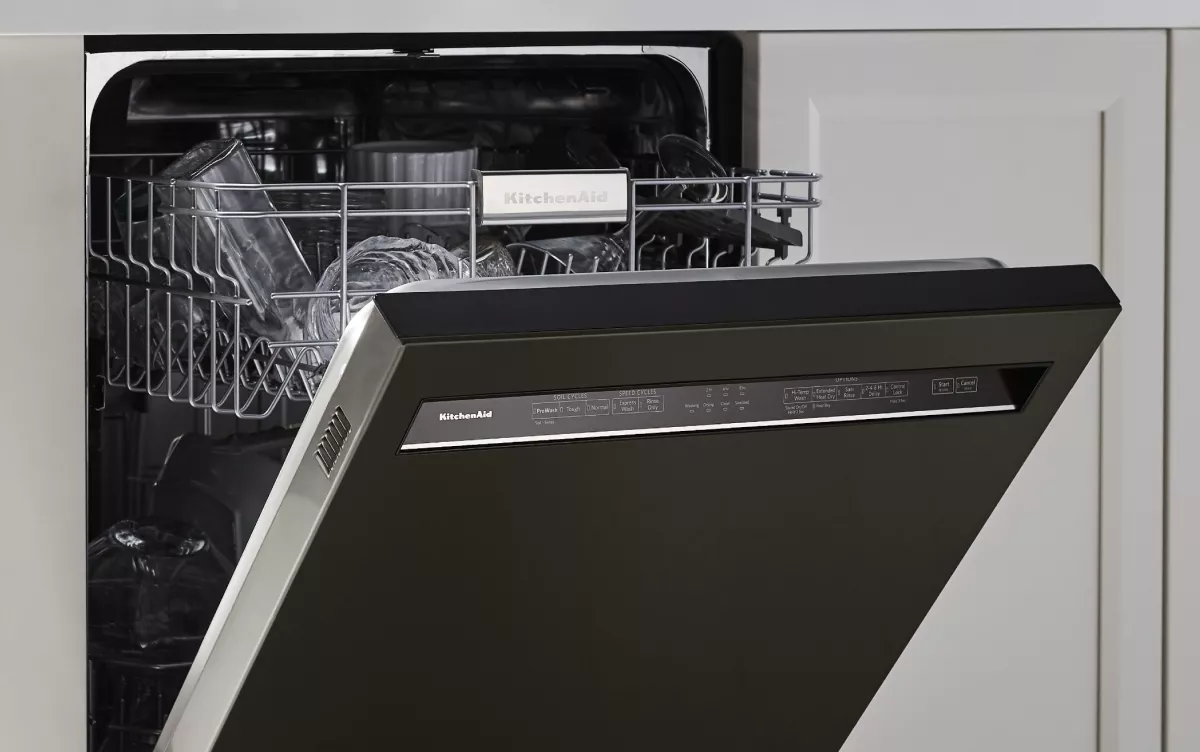
Are you struggling to get the most out of your Kitchenaid dishwasher? Knowing how to use it properly can save you time, energy, and frustration.
Whether you want spotless dishes or to extend your appliance’s life, this guide is made for you. Keep reading, and you’ll discover simple steps and insider tips that make every wash cycle work perfectly for your kitchen needs. Your cleanest dishes are just a few easy actions away.
Getting Started With Your Kitchenaid Dishwasher
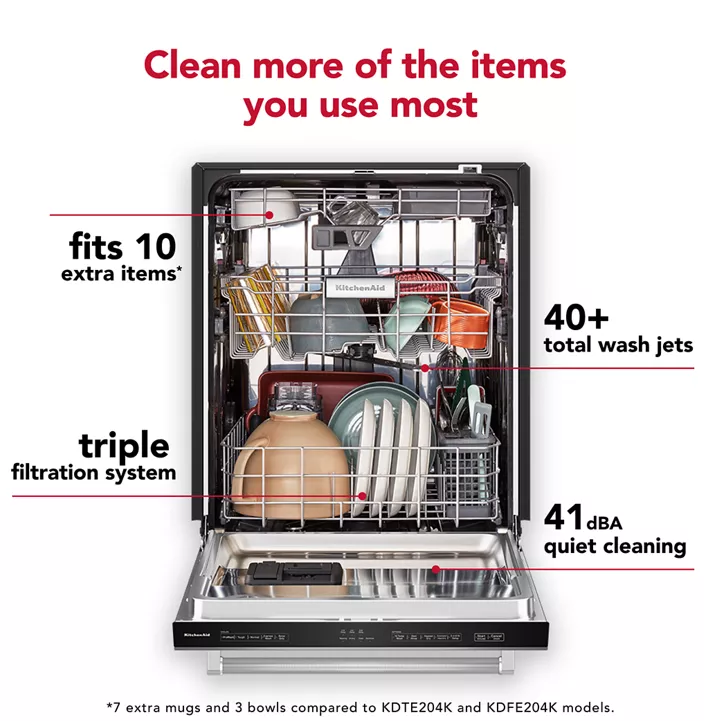
Start by opening the dishwasher door fully. Place dirty dishes carefully inside. Avoid overcrowding to let water reach all items. Use the bottom rack for pots and plates. The top rack is best for glasses and smaller items. Add dishwasher detergent to the detergent compartment. Close the detergent lid securely.
Choose the right wash cycle for your load. Use the control panel to select cycles like Normal, Heavy, or Quick. Press the Start button to begin the washing process. The dishwasher locks the door during operation for safety.
After the cycle ends, wait a few minutes before opening the door. This helps dishes dry better. Unload the bottom rack first to avoid water dripping on clean dishes.

Credit: www.kitchenaid.ca
Loading Dishes Efficiently
Place large plates and pans on the bottom rack. Make sure they do not block the spray arms. Cups, glasses, and small bowls fit well on the top rack. Tilt them slightly to let water drain.
Use the silverware basket for forks, spoons, and knives. Mix different types to avoid nesting. Point sharp knives down for safety.
- Do not overload the dishwasher; space helps cleaning.
- Place pots and pans facing down for better washing.
- Keep plastic items on the top rack only.
- Ensure nothing blocks the detergent dispenser.
Selecting The Right Wash Cycle
Selecting the right wash cycle on a KitchenAid dishwasher helps clean dishes well. Different cycles suit different dish types and dirt levels. Use the Normal cyclefor everyday dishes with light to medium dirt. The Heavy cycleis best for pots, pans, and dishes with tough, stuck-on food. For delicate items like glassware, choose the Light cycleto avoid damage.
The Express cyclecleans dishes quickly but uses less water and energy. Use this for lightly soiled dishes that you need fast. The Rinse Only cyclestops food from drying on dishes if you don’t want to wash them fully yet.
- Normal:Daily use, light to medium soil
- Heavy:Pots, pans, tough dirt
- Light:Glasses, delicate items
- Express:Quick wash, less water
- Rinse Only:Prevents food from drying
Using Detergents And Rinse Aids
Use only dishwasher detergentmade for Kitchenaid dishwashers. Regular dish soap can cause excessive sudsand damage the machine.
Fill the detergent dispenser with the right amount. Check your detergent package for dosage instructions. Too much detergent can leave residue; too little will not clean well.
Rinse aid helps dishes dry faster and prevents spots. Pour rinse aid into the dedicated dispenser until it reaches the max fill line.
| Item | Purpose | How to Use |
|---|---|---|
| Detergent | Clean dishes and remove grease | Fill detergent dispenser before each wash |
| Rinse Aid | Helps drying and prevents water spots | Fill rinse aid dispenser, refill when low |
Close the dispenser lid firmly. The detergent releases at the correct time during the wash cycle.
Check detergent and rinse aid levels regularly. Refill as needed for best results.
Maintenance And Troubleshooting Tips
Regular cleaningkeeps your KitchenAid dishwasher working well. Remove and clean the filter every few weeks to stop food build-up. Wipe down the door edges and gasket with a damp cloth to prevent mold.
Check spray arms for blockages. Clear any debris from the holes using a toothpick or small brush. This helps water reach all dishes evenly.
Run a cleaning cycle with dishwasher cleaner once a month to remove grease and limescale. Avoid using harsh chemicals that can damage parts.
If the dishwasher won’t start, check the door latch. Make sure it closes firmly. Also, verify power supply and reset the circuit breaker if needed.
Strange noises can mean something blocks the spray arm or filter. Turn off the machine and inspect inside carefully.
For water drainage issues, check the drain hose for kinks or clogs. Make sure it is installed properly to allow smooth flow.
- Use the right detergent and avoid overfilling
- Load dishes correctly to avoid blocking spray arms
- Run hot water in the sink before starting
- Inspect and clean dishwasher seal regularly
Credit: www.kitchenaid.com

Credit: stories.kitchenaid.com
Frequently Asked Questions
How Do I Start A Kitchenaid Dishwasher Cycle?
Load dishes, add detergent, close the door firmly, and press the Start button.
What Dishwasher Detergent Works Best For Kitchenaid?
Use high-quality dishwasher detergent powder or pods made for automatic dishwashers.
How Do I Clean My Kitchenaid Dishwasher Filter?
Remove the filter, rinse under water, and scrub gently to remove food debris.
Conclusion
Using your Kitchenaid dishwasher is simple and saves time. Follow the steps carefully to load dishes and select the right cycle. Regular cleaning keeps the machine working well. Pay attention to detergent amounts for best results. This dishwasher helps keep your kitchen neat and your dishes clean.
Enjoy the ease it brings to your daily routine. Keep practicing, and you will find it easy to use every day.