Imagine savoring your favorite restaurant dish without ever stepping inside a traditional dining space. Welcome to the world of cloud kitchens—a revolutionary concept that’s reshaping the culinary scene.
As you scroll through this article, you’re about to unlock the secret behind those tantalizing meals delivered straight to your door. You’ll discover how cloud kitchens operate, why they’re popping up everywhere, and what this means for your dining experience.
Curious to know how this trend could change the way you enjoy food forever? Dive into this article and satisfy your hunger for knowledge.
Cloud Kitchen Concept
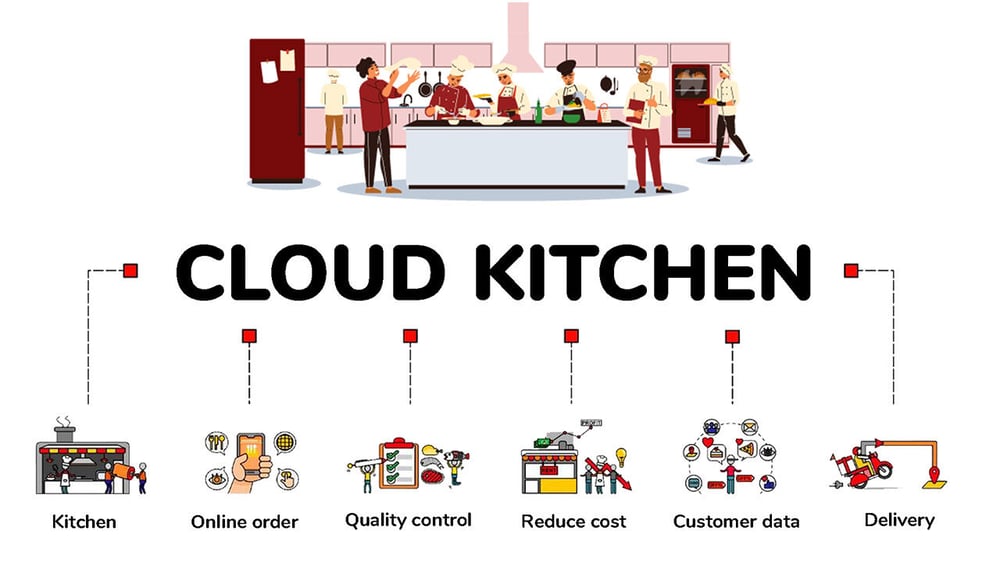
A cloud kitchenis a place where food is made for delivery. There is no dining area for people to sit and eat. It’s like a restaurant, but only for delivery. The kitchen uses apps to get food orders. These kitchens save money on rent and furniture. They need fewer staff too. This makes them cheaper to run. Food is cooked fresh and sent to your door.
Traditional restaurants have tables and chairs. People can sit and eat there. They need a lot of space. They also need many workers, like waiters and cleaners. This costs more money. In a cloud kitchen, there is no need for all that. Food goes straight from the kitchen to the customer. This makes it fast and easy.
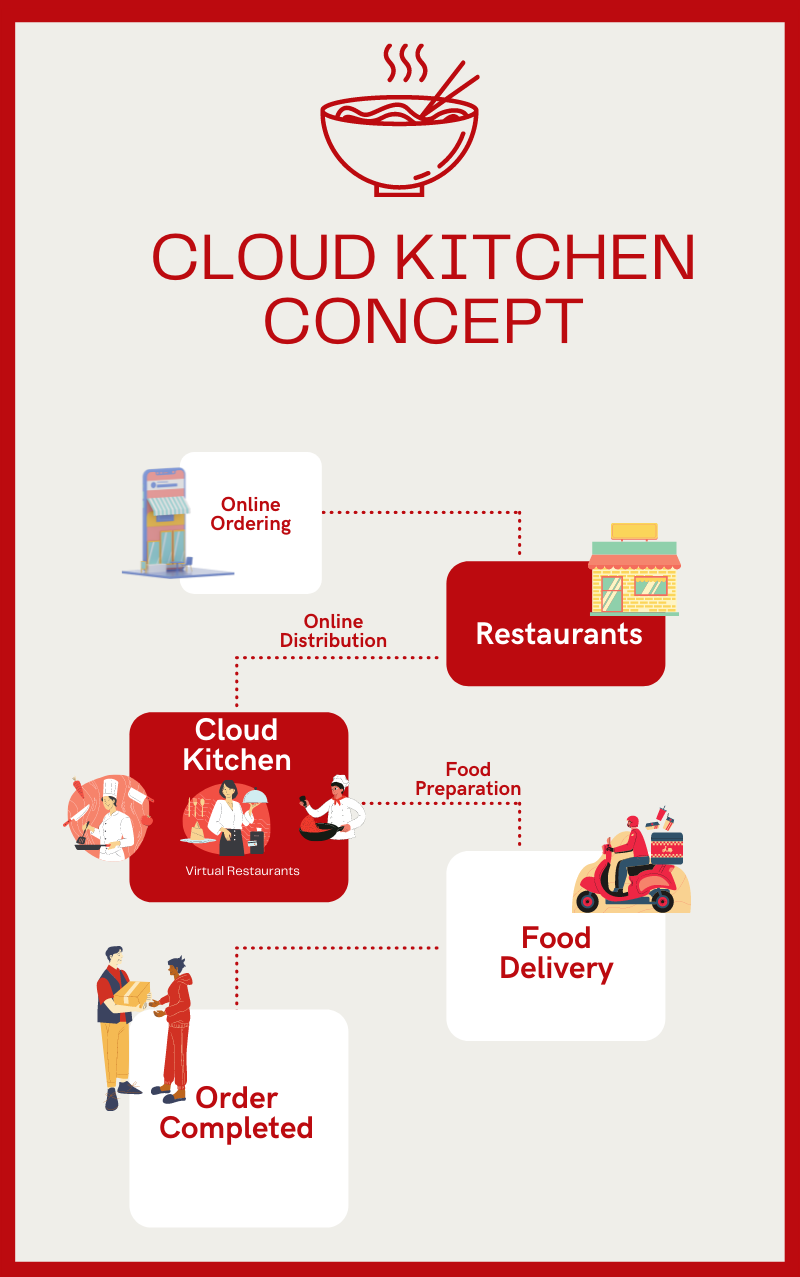
Credit: www.code-brew.com
Growth Drivers
Technologyhelps cloud kitchens grow fast. Digital ordersmake things easy. Apps help people order food quickly. Cloud kitchens use smart software. This software manages orders well. It reduces mistakes and saves time. Food is cooked right and delivered on time. Tech helps kitchens stay strong.
People’s tasteschange often. They like new food trends. Fast food delivery is popular now. Cloud kitchens make this possible. People prefer convenience. They want food delivered quickly. Cloud kitchens meet this need. They offer different food options. This keeps people happy. It helps cloud kitchens grow.
Operational Models
Shared kitchen spaces are places where many food businesses cook. Businesses share tools and space. This helps them save money on rent. They work at different times to avoid crowding. Each business uses the kitchen when it is their turn. This model is helpful for new businesses. They can start without big costs. Clean and tidy spaces are important. It keeps food safe and customers happy. Many restaurants use shared spaces. They make their food and deliver it to customers. This way, they don’t need a big restaurant.
Standalone cloud kitchens are kitchens that work alone. They do not share space. They have their own equipment and staff. These kitchens focus only on delivery orders. There is no need for a dining area. This model lets businesses control their own space. They cook food quickly and send it out. Standalone kitchens can be in smaller places. They don’t need to be in busy areas. This helps save on rent. Many restaurants use this model for delivery. They reach customers far and wide.
Hybrid models mix different kitchen styles. They have a dining area and a delivery kitchen. Customers can eat at the restaurant or order food at home. This model is flexible. It lets restaurants serve more people. They can change the space based on demand. Hybrid kitchens need more planning. They use more staff to cook and serve. Many big restaurants use hybrid models. They keep customers happy in many ways. This model is good for reaching many people. Restaurants can grow with hybrid kitchens.
Benefits For Entrepreneurs
Starting a cloud kitchen saves money. No need for a fancy restaurant. Rent a small space. Less staff is required. No servers needed. Spend less on decorations. Simple equipment is enough. Focus on cooking. Delivery-only model helps. Lower bills mean more profit. Cut costs easily.
Growth is easy. Add new dishes fast. Expand menu without worry. Open more kitchens anywhere. No big changes needed. Reach more people quickly. Adjust to demand. Flexible operations help. Grow at your pace. Test new ideas easily. Success is within reach.
Challenges Faced
Cloud kitchens need good logistics. Food must be fresh and warm. Delivery drivers must be quick. Traffic can slow them down. Bad weather can be tricky too. Orders must reach on time. People get upset if food is late. Keeping food safe is hard. Spills can happen. Boxes must be strong. Drivers need to know the city well.
Cloud kitchens are not like regular restaurants. They don’t have a big sign. People may not know them. Brand is very important. Good reviewshelp a lot. Word of mouth is big. Ads can be expensive. Social media can help. Pictures of food must look tasty. Good logo makes people remember. It must be unique and easy to spot.
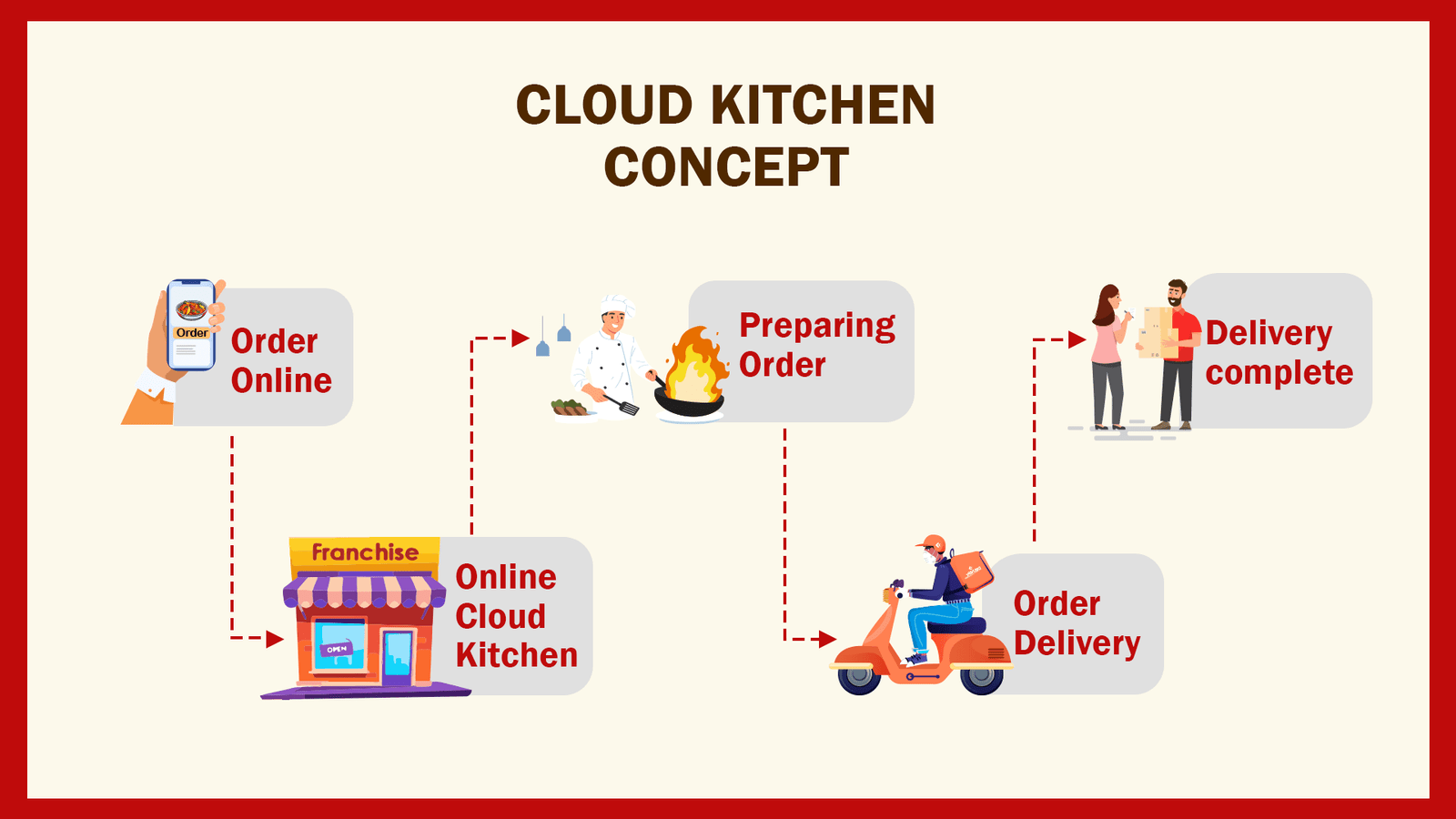
Credit: therollingplate.com
Impact On The Food Industry
Cloud kitchens are changing how restaurants operate. Traditional restaurants needed a dining space and staff. Now, many focus on delivery only. This reduces costs and reaches more customers. Menus can be simpler and change quickly. Chefs can try new dishes easily. Cloud kitchens let restaurants test new locations too. All this with less risk and money.
Real estate needs are different for cloud kitchens. They don’t need prime locations. Small, cheaper spaces work well. Kitchens can be in industrial areas. This lowers rent costs. Big cities see more cloud kitchens. They use less space but need good transport links. Food delivery becomes faster and easier. Real estate demand shifts from dining areas to kitchen spaces.
Future Prospects
Cloud kitchens are changing how food reaches people. They use technology to make food delivery faster. New apps help customers order food easily. Robots and drones might deliver food soon. This makes food delivery exciting. Many people like to try new ways to get their meals. Chefs can create unique dishes without big restaurants. This helps them to focus on tasty food. Cloud kitchens give more choices to customers. People can enjoy their favorite meals at home. This makes everyone happy.
Cloud kitchens care about the planet. They try to use less plastic. They want to reduce waste. Many kitchens use eco-friendly packaging. This helps keep the earth clean. They also focus on using local ingredients. This supports local farmers. It reduces travel pollution too. Many cloud kitchens save energy. They use smart appliances to cook food. This helps save electricity. Being green is important for the future. It helps make a better world for everyone.
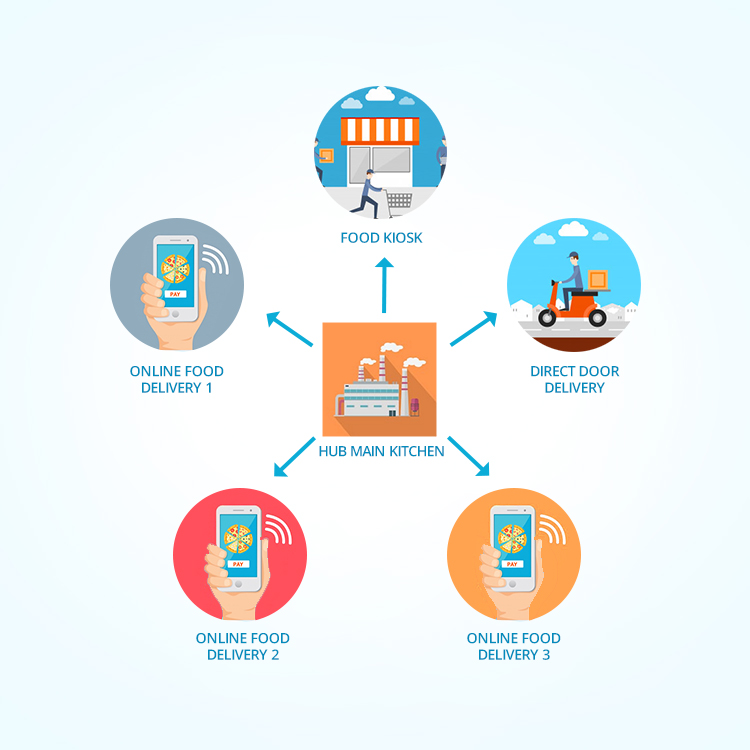
Credit: www.gofrugal.com
Frequently Asked Questions
What Is A Cloud Kitchen Business Model?
A cloud kitchen business model involves operating a kitchen solely for delivery. It eliminates the need for dine-in services. This model leverages technology for efficient order processing and delivery. It helps reduce overhead costs. Cloud kitchens often collaborate with food delivery platforms for customer outreach.
How Do Cloud Kitchens Differ From Traditional Restaurants?
Cloud kitchens focus solely on delivery, unlike traditional restaurants which offer dine-in services. They operate in smaller spaces, reducing rent costs. Cloud kitchens emphasize efficient food preparation and delivery. They often use technology to streamline operations. This model allows for multiple brands under one roof.
Why Are Cloud Kitchens Gaining Popularity?
Cloud kitchens are popular due to lower operational costs. They provide flexibility in location choice. The model caters to the rising demand for food delivery. It allows brands to expand without hefty investments. Technology integration ensures efficient management and customer satisfaction.
How Do Cloud Kitchens Handle Food Delivery?
Cloud kitchens partner with delivery services for efficient logistics. They use technology to manage orders and track delivery. The kitchens are strategically located for quick delivery. This ensures food reaches customers fresh and on time. Many kitchens offer multiple cuisines for varied customer preferences.
Conclusion
Cloud kitchens offer a new way to enjoy food delivery. They operate without a traditional dining space. This means lower costs and greater efficiency. Many restaurants use cloud kitchens to expand their reach. Customers benefit from a wide range of options.
Fresh meals arrive quickly at your door. The rise of cloud kitchens is changing the food industry. As technology advances, their popularity continues to grow. Convenience and variety make them appealing to many. Cloud kitchens provide a modern solution for dining needs.
They represent a shift in how we experience food today.