Your kitchen sink is one of the busiest spots in your home. It gets dirty fast, and sometimes simple soap just doesn’t cut it.
You might wonder, what should you use to clean your kitchen sink so it looks shiny and stays germ-free? Choosing the right cleaner can save you time, keep your sink sparkling, and protect your family from harmful bacteria. You’ll discover easy, effective cleaning options that work for every type of sink.
Keep reading to find out how to make your sink spotless with products you probably already have at home.
Common Kitchen Sink Stains
Kitchen sinks often get stained by different things. Hard water spotsleave white marks. Rust stainsappear as orange or brown patches. Food stainscome from coffee, tea, or sauces. Soap scumbuilds up over time and looks dull.
These stains make the sink look dirty. Cleaning them needs the right tools and cleaners. Some stains are tough and need scrubbing. Others come off with simple wipes. Regular cleaning stops stains from staying.
- Hard water spots:caused by minerals in water
- Rust stains:from metal objects left in the sink
- Food stains:from colored drinks and sauces
- Soap scum:leftover soap that hardens

Credit: katieskottage.com
Natural Cleaners
Baking sodais a gentle scrubber. It helps remove stains and bad smells. Sprinkle it on the sink surface. Use a soft cloth or sponge to scrub gently. Rinse with warm water to wash away dirt.
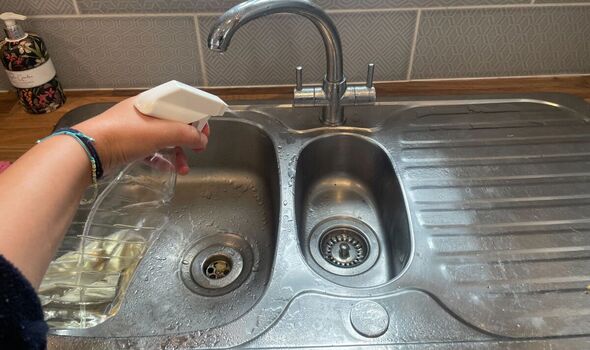
Vinegaris acidic and kills germs. Pour it on a cloth or spray bottle. Wipe the sink to clean and shine it. Vinegar also helps remove hard water spots.
Lemon juicesmells fresh and works as a cleaner. Rub lemon juice on the sink surface. It cuts grease and leaves a nice scent. Use it to brighten your sink naturally.
Commercial Cleaning Products
All-purpose cleanersremove grease, dirt, and grime from kitchen sinks easily. They work on many surfaces like stainless steel and porcelain. Use a soft cloth or sponge to avoid scratches. These cleaners save time by cleaning quickly and well.
Disinfectantskill germs and bacteria that hide in sink areas. Spray or wipe them on sink surfaces and let them sit for a few minutes. This helps keep your kitchen safe and healthy. Always follow the instructions on the label.
Stain removerstarget tough marks like rust, hard water stains, and soap scum. Apply the product to the stained area and scrub gently. They restore the sink’s shine and make it look new again. Use gloves to protect your skin.
Tools For Effective Cleaning
Scrub brushesare great for tough stains and hard-to-reach spots. Their stiff bristles help remove grime without scratching the sink surface. Use a brush with a comfortable handle for better grip and control.
Spongesare versatile and gentle. They work well for daily cleaning and wiping down surfaces. Choose a sponge with a soft side for delicate areas and a rough side for scrubbing stubborn dirt.
Microfiber clothsare excellent for drying and polishing. They absorb water quickly and leave the sink shiny without streaks. Microfiber also traps dirt and bacteria, making it a hygienic choice for cleaning.
Maintenance Tips For A Clean Sink
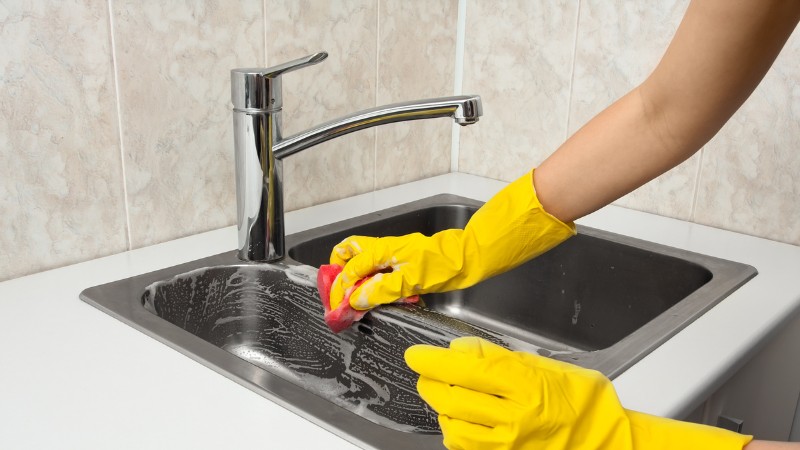
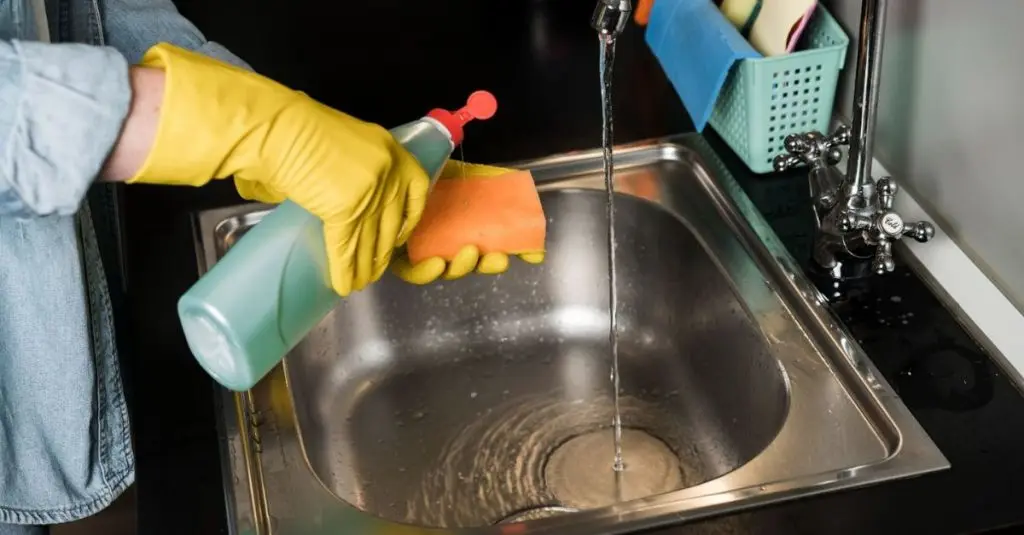
A regular cleaning routinekeeps the kitchen sink shiny and fresh. Use a soft sponge with mild dish soap. Rinse well with warm water to remove all soap. Wipe the sink dry to stop water spots and stains.
Preventing build-up is easier than removing it later. Avoid letting food scraps sit in the sink or drain. Use a sink strainer to catch debris. Pour hot water down the drain weekly to clear grease and grime.
Dealing with odors requires simple tricks. Sprinkle baking soda in the sink and scrub gently. Pour white vinegar down the drain to neutralize bad smells. Let the mixture sit for a few minutes, then rinse with hot water.
Credit: modern-maids.com
Credit: www.vevor.com
Frequently Asked Questions
What Is The Best Cleaner For A Kitchen Sink?
Mild dish soap mixed with warm water cleans most sinks well and safely.
Can Baking Soda Clean And Deodorize The Kitchen Sink?
Yes, baking soda scrubs grime gently and removes odors effectively.
How Often Should You Clean Your Kitchen Sink?
Clean your sink daily to keep it fresh and prevent germs.
Conclusion
Cleaning your kitchen sink is simple with the right tools. Use gentle cleaners to protect the surface. Natural options like baking soda and vinegar work well. Avoid harsh chemicals that can damage your sink. Regular cleaning keeps your sink fresh and hygienic.
Remember, a clean sink makes your kitchen safer. Try these easy methods to keep your sink spotless every day. Your kitchen will look neat and smell good too. Small efforts bring big results. Keep your sink shining with simple care.