Imagine standing in your kitchen, ready to tackle a stack of dirty dishes or fill a pot with water for tonight’s dinner. The sink is your trusty companion, but have you ever wondered what the standard size of a kitchen sink is and why it matters?
You’re not alone. Choosing the right sink size can transform your kitchen experience, making tasks more efficient and enjoyable. Dive into this article, and you’ll uncover the secrets of selecting the perfect sink size for your kitchen. You’ll find practical insights that will help you make informed decisions and turn your kitchen into a place where functionality meets style.
Curious to know more? Keep reading and discover how the right kitchen sink can make all the difference in your daily routine.
Credit: www.ruvati.com
Types Of Kitchen Sinks
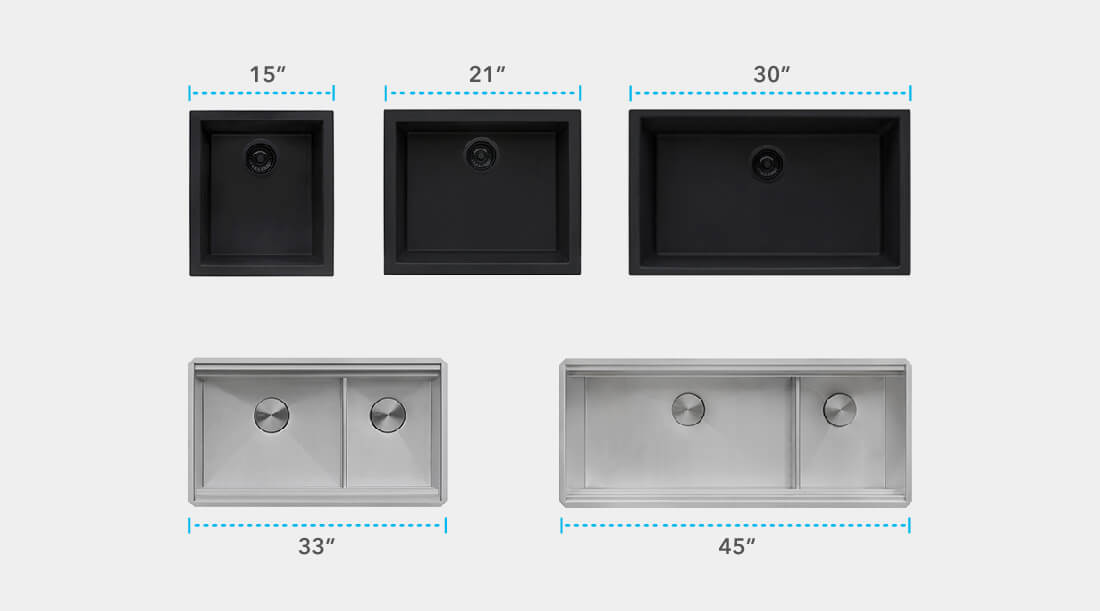
A single bowl sinkis one large basin. It is perfect for small kitchens. You can wash big pots and pans easily. These sinks save space on the counter. They are easy to clean. The size can vary, but often they are 24 to 36 inches wide. They fit well in many kitchens.
The double bowl sinkhas two basins. Each basin can be the same size. Or, one may be bigger. You can wash dishes in one bowl. Rinse them in the other. This sink is great for multitasking. It usually measures 33 to 48 inches wide. It offers more flexibility for kitchen tasks.
A triple bowl sinkhas three compartments. It is very versatile. You can use each bowl for a different task. One bowl can be for food prep. Another for washing dishes. The last for rinsing. These sinks are larger, often 48 inches or more. They require more counter space. Perfect for busy kitchens.
Common Sink Materials
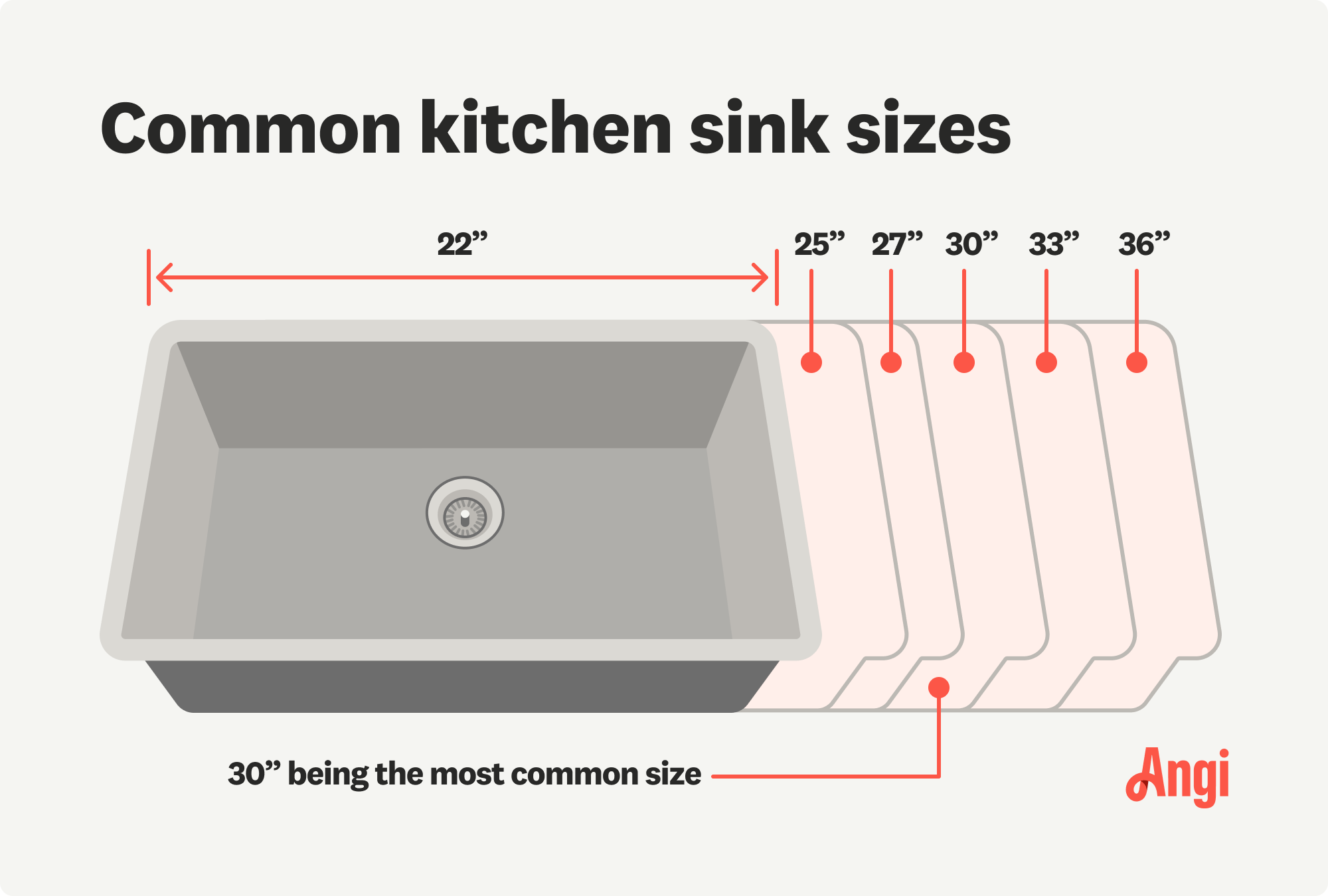
Kitchen sinks come in various materials like stainless steel, porcelain, and granite. The standard size typically ranges from 24 to 36 inches wide, fitting most kitchen layouts comfortably.
Stainless Steel
Stainless steel sinks are very popular. They are durableand easy to clean. These sinks do not rust. They also resist scratches. Many people like their shiny look. They fit well in modern kitchens. They are also affordablefor most families.
Porcelain
Porcelain sinks are classicand elegant. They have a smooth surface. This makes them easy to clean. They come in many colors. They are heavy and strong. But they can chip if hit hard. These sinks suit traditional kitchens well.
Granite Composite
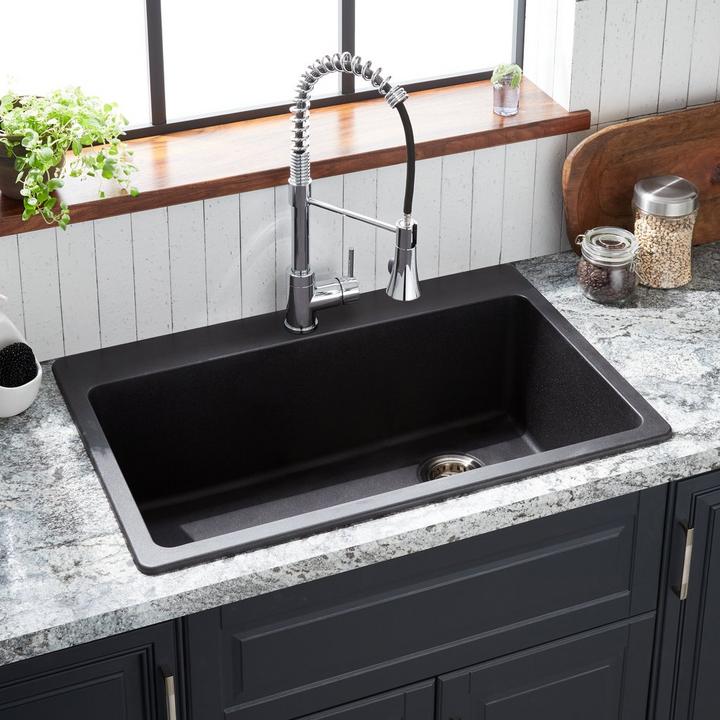
Granite composite sinks are very tough. They are made from crushed stone. They do not stain easily. They also resist scratches and chips. These sinks look natural and stylish. They come in many colors. They are perfect for modern homes.
Copper
Copper sinks are uniqueand beautiful. They change color over time. This is called a patina. They are naturally antimicrobial. This means they kill germs. Copper sinks need special care. They suit rustic or country-style kitchens.
Standard Sink Dimensions
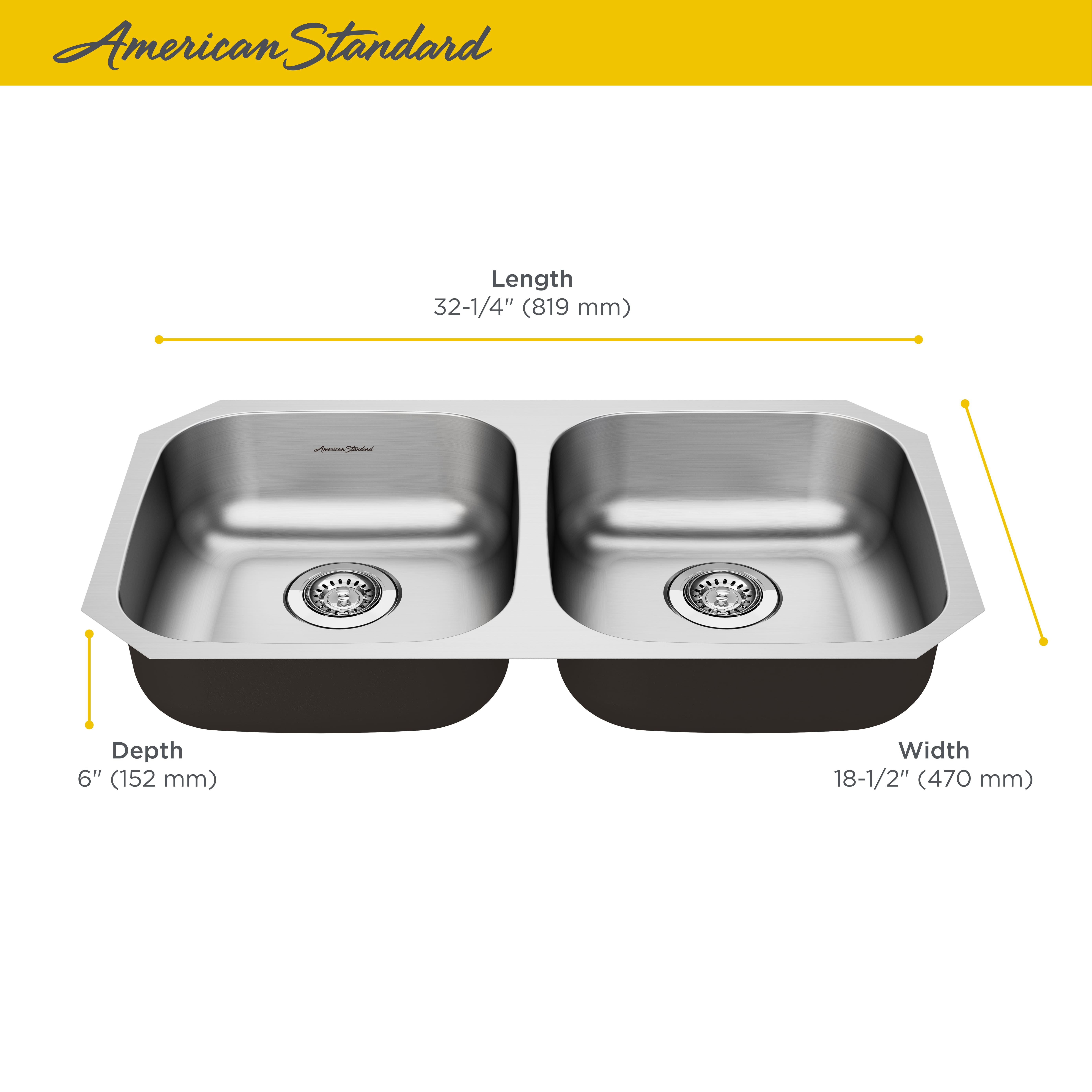
The average length of a kitchen sink is 22 inches. Width usually measures 30 inches. Some sinks are smaller. Others are larger. Single bowl sinks are often narrower. Double bowl sinks need more space. They are wider. Check your kitchen space before buying.
Depth is another important factor. Standard depth is 8 to 10 inches. Shallow sinks are easier for kids. Deep sinks hold more dishes. They may be hard to reach. Choose a depth that fits your needs. Think about cleaning and comfort. Depth affects water usage too. A deep sink uses more water.
Credit: www.faucetdirect.com
Factors Influencing Size Choice
Kitchen sizeaffects sink size. Small kitchens need smaller sinks. Large kitchens can fit big sinks. Space matters for daily tasks.
User needsare key. Families might need bigger sinks. Single users might prefer smaller ones. Think about dish size and washing needs.
Installation typeis crucial. Drop-in sinks are easy to fit. Undermount sinks need more space. Farmhouse sinks offer a unique look.
Measuring For A New Sink
Countertop space is key when choosing a sink. Standard sinks need 24 to 36 inches. Check the space between wall and counter. Make sure you have enough room. A larger sink needs more space.
Sinks sit on cabinets. Measure your cabinet before buying. Cabinet size affects sink size. Standard cabinet width is 24 inches. Bigger cabinets can fit bigger sinks. Double-check before you buy.
Plumbing is important for sink size. Pipes can limit choices. Check the location of pipes. Ensure pipes fit the new sink. Measure pipe length and height. Avoid surprises later.
Credit: www.signaturehardware.com
Trends In Sink Design
Farmhouse sinks are very popular today. They have a big, deep basin. This makes them great for washing large pots. Their classic look adds charm to kitchens. Many people love the rustic appeal they bring. These sinks can be made of porcelain, stainless steel, or even copper. Each material gives a unique look. They are also known as apron-front sinks. These sinks can be a bit expensive. But they are worth it for their style.
Undermount sinks are installed under the countertop. This gives a smooth surface and easy cleaning. No edges mean no dirt traps. They often have a modern look. These sinks can be made from stainless steel, granite, or composite. They are popular in contemporary kitchens. Undermount sinks come in many sizes. This makes them flexible for different spaces. They look neat and tidy.
Integrated draining boards are part of the sink. They help with drying dishes. Water flows back into the sink. This keeps counters dry. They can be made from the same material as the sink. This gives a seamless look. These boards are useful for those without dishwashers. They come in various sizes. Choosing one depends on your kitchen space. They are practical and stylish.
Choosing The Right Sink For Your Kitchen
Sinks come in many prices. Budget is important. A basic sink costs less. Fancy sinks cost more. Plan your budget first. You can find good sinks at all prices. Never spend too much on just a sink. Always keep other kitchen needs in mind.
A sink should look good. Style matters a lot. Do you like modern or classic? Color can match your kitchen. Some sinks have shiny finishes. Others are matte. Choose what makes you happy. Your kitchen should feel like home.
Think about how you use the sink. Do you wash big pots? Size is important for this. A deeper sink helps. Do you need a double bowl? Double bowls make washing easy. Look for features that make life simple.
Frequently Asked Questions
What Is The Most Common Kitchen Sink Size?
The most common kitchen sink size is 30 inches wide. It fits well in most standard kitchen countertops. This size provides ample space for washing dishes and food preparation. Ensure your cabinet can accommodate this size for a seamless fit.
Can A Kitchen Sink Be Too Big?
Yes, a kitchen sink can be too big if it overwhelms your space. It might take up too much counter space, making your kitchen look cramped. Consider your kitchen’s layout and needs before choosing an oversized sink.
How Do I Measure A Kitchen Sink Size?
To measure a kitchen sink, measure its length, width, and depth. Use a tape measure to get accurate dimensions. Ensure to measure the existing cutout in your countertop to find a compatible sink size.
What Factors Influence Kitchen Sink Size Choice?
Factors include kitchen size, countertop space, and usage needs. Consider how often you cook and clean. Your kitchen’s layout and style also play a role. Choose a size that complements your kitchen’s functionality and aesthetics.
Conclusion
Choosing the right kitchen sink size is essential. It impacts your daily tasks. A standard sink suits most kitchens. It typically measures 22 by 30 inches. Consider your counter space before deciding. Think about your household needs, too. Do you cook often?
Wash large pots? A bigger sink might help. Smaller kitchens may need compact sinks. Balance size with functionality. Style matters, but practicality comes first. Keep these tips in mind. Make a choice that fits your space and lifestyle. Your kitchen routine will thank you.