Imagine stepping into your kitchen and being greeted by the tantalizing aroma of your favorite dish cooking to perfection. But, alongside that delicious scent, you notice something less appealing—smoke and lingering odors filling the air.
You wonder, is your kitchen missing that crucial element of efficiency and comfort? Venting your kitchen hood properly can be the game-changer you need. You’re not alone in seeking a fresher, cleaner cooking space. Many homeowners overlook the impact of a well-vented kitchen hood.
It’s not just about aesthetics; it’s about enhancing your cooking experience and maintaining a healthy home environment. In this guide, you’ll discover straightforward steps to vent your kitchen hood effectively. Whether you’re a DIY enthusiast or just looking to understand the process better, this article is tailored for you. Ready to transform your kitchen into a haven of clarity and comfort? Let’s dive in and uncover the secrets to effective kitchen hood venting.
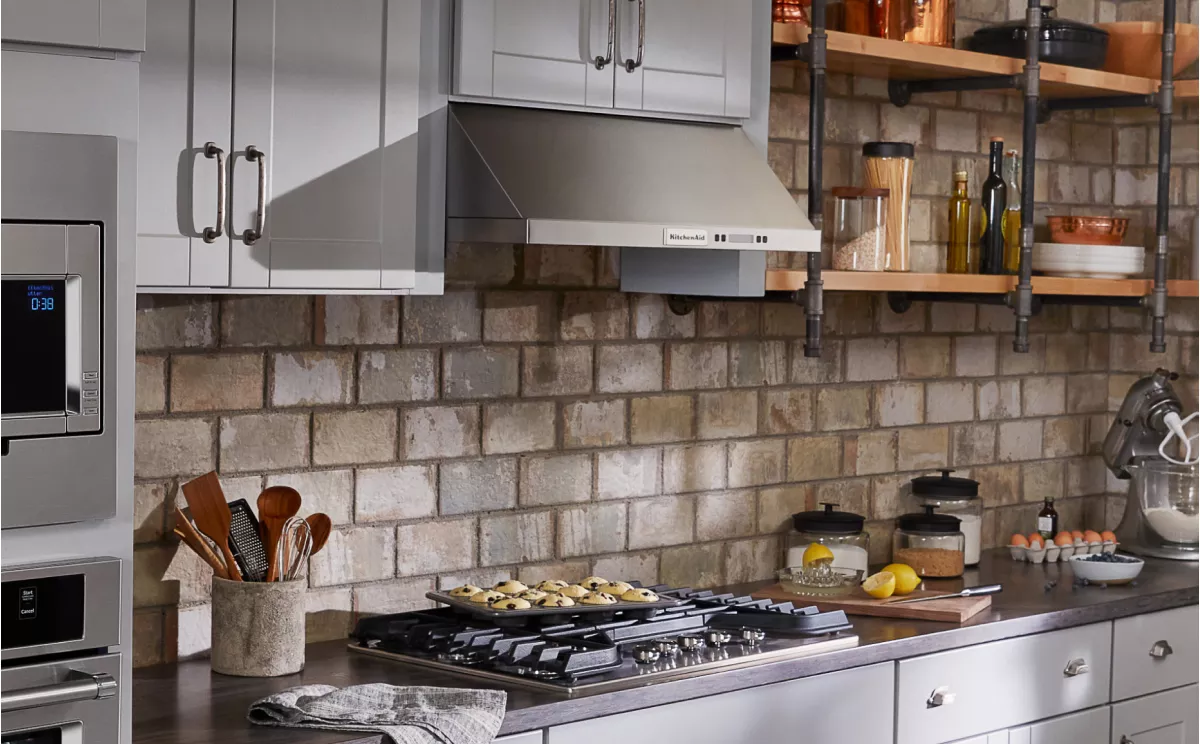
Credit: www.kitchenaid.com
Choosing The Right Venting System
Ducted systems push air outside. They need vents and ducts. Clean air is ensured. Ductless systems filter air. They recycle it back into the kitchen. Easier to install, but less effective in removing smoke and odors. Choose based on kitchen size and venting needs.
- Drill and drill bits
- Screwdrivers
- Measuring tape
- Vent hood
- Ductwork materials
- Safety goggles
- Work gloves
Planning The Venting Route
Planning the Venting Route Choose the shortest path to the outside for venting your kitchen hood. This reduces noise and improves efficiency. Avoid sharp turns and long ducts to ensure smooth airflow.
Assessing Your Kitchen Layout
Begin by examining your kitchen’s layout. Identify where the hood will be placed. Check the walls and ceiling for obstacles. Windows and doors might affect vent placement. Consider the length of the vent run. Shorter paths are often better. They can improve vent efficiency. Avoid sharp bends in the vent path.
Determining The Venting Path
Decide the best path for the vent. Vertical paths are usually preferred. They allow smoke to rise easily. Horizontal paths need more care. Check for roof access if going vertical. Walls can hide horizontal vents. Avoid vents that cross other rooms. This keeps smells out of other areas. Plan for proper insulation around vents.
Installing The Ductwork
First, locate a spot for the vent hole. Ensure it’s near the hood. Use a pencil to mark the position. The hole should match the duct size. Grab a drill and start cutting. Make sure the hole is clean and smooth. This helps the duct fit snugly.
Place the duct in the hole carefully. It should fit tightly. Use metal screws to secure it. Make sure the screws are tight. This keeps the duct stable. Check for any gaps around the duct. Seal them with caulk. This prevents air leaks. Finally, inspect the ductwork. Ensure everything is secure and neat.

Credit: www.create-enjoy.com
Mounting The Kitchen Hood
Properly venting a kitchen hood is vital for removing smoke and odors. Choose the right duct type for efficient airflow. Ensure it leads outside, avoiding sharp bends to maintain airflow strength.
Positioning The Hood
Choose a spot above the stove. Make sure the hood is centered. Measure the height carefully. Leave enough space for cooking. Keep hood aligned with cabinets. This helps capture smoke effectively.
Securing To The Wall Or Ceiling
- Check the wall for studs. Studs hold weight better.
- Use strong screws for mounting. This ensures safety.
- If mounting to the ceiling, verify support beams.
- Double-check the hood is level. A crooked hood looks bad.
- Follow the instructions from the manufacturer.
Connecting The Ductwork
Secure the kitchen hood by connecting the ductwork properly. Ensure all joints are sealed to prevent leaks. Use metal ducting for durability and efficient ventilation.
Attaching Ducts To The Hood
First, align the duct with the hood opening. Make sure it fits snugly. Use screws to attach the duct to the hood. Tighten them firmly, but not too hard. This keeps the connection secure. Check that the duct is straight and not twisted. A straight duct helps air move better.
Sealing And Insulating Duct Joints
Use metal tape to seal the joints. Press the tape down firmly. This stops air leaks. Air leaks reduce the efficiency of the hood. Insulate the duct with special duct wrap. Wrap it around the duct joints. This keeps the air warm inside the duct. It also saves energy. Make sure there are no gaps in the insulation. Well-sealed and insulated ducts work best.
Installing The Exterior Vent Cap
Installing the exterior vent cap ensures proper airflow for your kitchen hood. Secure it tightly to prevent leaks and drafts.
Choosing The Right Location
Find a spot on the outside wall. It should be near the kitchen hood. The vent cap must be away from windows. This helps keep smoke outside. Choose a spot that faces away from wind. This prevents smoke from blowing back. Measure the spot carefully. Make sure it fits the vent cap size.
Mounting The Vent Cap
- Place the vent cap on the chosen spot.
- Mark holes for screws with a pencil.
- Use a drill to make holes for screws.
- Attach the vent cap with screws.
- Check if the cap is secure and tight.
Make sure the vent cap is level. Use a spirit level if needed. Check for gaps around the cap. Seal them with caulk to stop leaks.
Testing The Ventilation System
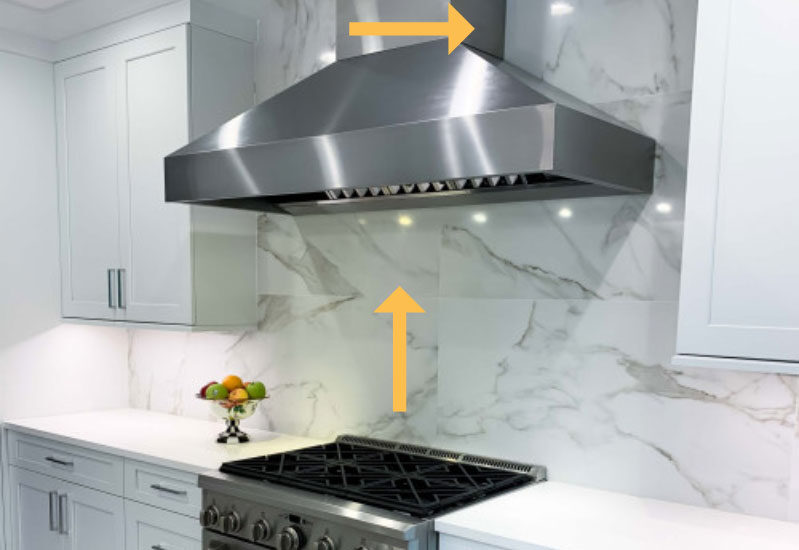
Ensure the vent fan is turned on. Stand near the hood. Feel if air is moving. Use a thin piece of paper. Hold it near the vent. See if it moves or flutters. This shows airflow is present. A strong airflow is best. Weak airflow may need fixing.
Examine the duct connections closely. Look for any gaps or holes. Use a flashlight to check inside. Feel around the duct for air escaping. Use tape to seal small leaks. Larger gaps may need professional help. This stops air from escaping.
Credit: blog.yaleappliance.com
Maintenance Tips
Proper venting of a kitchen hood requires regular cleaning of filters and inspecting duct connections. Ensure the exhaust fan is functioning well to prevent smoke and odors. Keep the vent path clear for optimal airflow.
Cleaning The Filters
Filters catch grease and dirt. Clean them every month. Soak them in hot, soapy water. Use a brush to scrub off grime. Rinse and dry them. Replace filters if they look worn or damaged. This keeps your kitchen air clean.
Inspecting The Ducts Regularly
Ducts help remove smoke and smells. Check them often for blockages. Make sure they are free from dust and grease. Look for any holes or leaks. Fix issues quickly to keep air moving. This helps your kitchen stay fresh and safe.
Frequently Asked Questions
What Is The Best Way To Vent A Kitchen Hood?
The best way is through an exterior wall. It keeps air clean and fresh.
Can I Vent A Kitchen Hood Through The Roof?
Yes, you can vent through the roof. Ensure proper insulation to avoid leaks.
Is Ductless Venting Effective For Kitchen Hoods?
Ductless venting is less effective. It recirculates air instead of removing it.
How Often Should Kitchen Hood Vents Be Cleaned?
Clean vents every three months. This ensures efficient airflow and removes grease buildup.
Can I Use Flexible Ducting For My Kitchen Hood?
Flexible ducting is not recommended. It can trap grease and reduce airflow efficiency.
What Materials Are Best For Vent Ducts?
Metal ducts are best. They are durable, fire-resistant, and easy to clean.
Conclusion
Venting a kitchen hood doesn’t have to be difficult. Start with a clear plan. Choose the right materials for the job. Ensure proper placement for efficient airflow. Connect the ductwork securely. Test the system to check its functionality. Regular maintenance keeps it running smoothly.
Clean filters and ducts often. Prevent blockages and odors. A well-vented hood improves air quality. Keeps your kitchen fresh and safe. With these steps, you can achieve great results. Enjoy a comfortable cooking space. Breathe easily in your kitchen every day.
Happy cooking!