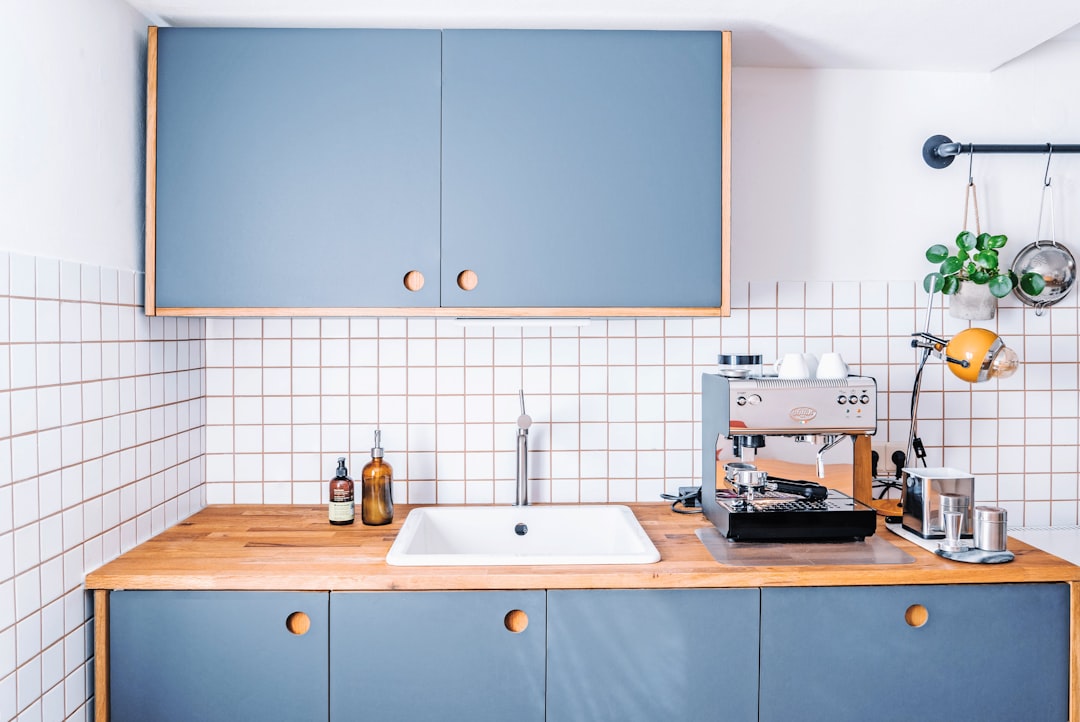
Are your painted kitchen cabinets looking a little less vibrant than they used to? It’s time to bring back their shine and make your kitchen sparkle again.
Cleaning painted kitchen cabinets might seem like a daunting task, but with the right approach, it can be both easy and rewarding. Imagine walking into your kitchen and being greeted by the gleaming beauty of freshly cleaned cabinets. The satisfaction of knowing they look just as good as the day they were painted is within your reach.
In this guide, we’ll walk you through the steps to ensure your cabinets not only look clean but stay protected. Get ready to transform your kitchen into a space that feels fresh and inviting. Keep reading to discover the secrets to maintaining the elegance of your painted cabinets with minimal effort.
Types Of Painted Cabinet Finishes
Glossy finishes shine bright. They make cabinets look new and clean. These finishes are smooth to touch. Dust and stains are easy to see. Use a soft cloth for cleaning. Avoid using harsh chemicals. They might harm the shine. Gentle soap and water work best.
Matte finishes have no shine. They give cabinets a calm look. Dirt is less noticeable here. Cleaning is simple with a damp cloth. Soap can help remove tough stains. Avoid scrubbing hard. It can damage the surface. Keep the cloth soft and clean.
Satin finishes are between glossy and matte. They have a soft glow. These finishes are durable. They resist scratches well. Wipe them with a damp cloth. Use mild soap for stubborn spots. Do not use abrasive tools. They can leave marks.
Choosing The Right Cleaning Supplies
Soft cloths and sponges are great for cleaning. Use a microfiber cloth for best results. A gentle scrub brush can help with tough spots. Always keep a dry towel nearby. It helps to wipe away extra moisture.
Warm water and mild soap work well. Mix a few drops of dish soap in water. Vinegar can also clean without damage. Use it with caution, though. Always test a small area first.
Stay away from bleach and ammonia. These can ruin the paint. Strong chemicals may strip the color. Stick to gentle solutions instead. They keep your cabinets safe and shiny.
Pre-cleaning Preparations
Start by gathering all necessary cleaning supplies like mild detergent, microfiber cloths, and a soft brush. Remove items from the cabinets to ensure a thorough clean. Dust the surfaces lightly before applying any cleaning solution.
Clearing And Organizing
First, remove all items from the cabinets. This includes dishes, pots, and pans. Keep the items in a safe place. Ensure easy access for cleaning. Next, organize the items neatly. This helps in putting them back later. Check if anything needs washing or discarding. This step makes cleaning easy and quick.
Protecting Surrounding Areas
Use plastic sheets or old newspapers. Cover the floor and nearby surfaces. This prevents spills and stains. Protect the countertops and appliances. Use tape to secure the covers. This ensures they stay in place. Keep windows open for fresh air. This helps with ventilation. Ensure the area is safe for cleaning.
Credit: www.paintedbykaylapayne.com
Step-by-step Cleaning Process
Start by removing dust with a soft cloth. It helps keep cabinets clean. Use a gentle touch. This avoids scratching the paint. Regular dusting prevents buildup. Cabinets look fresh and neat.
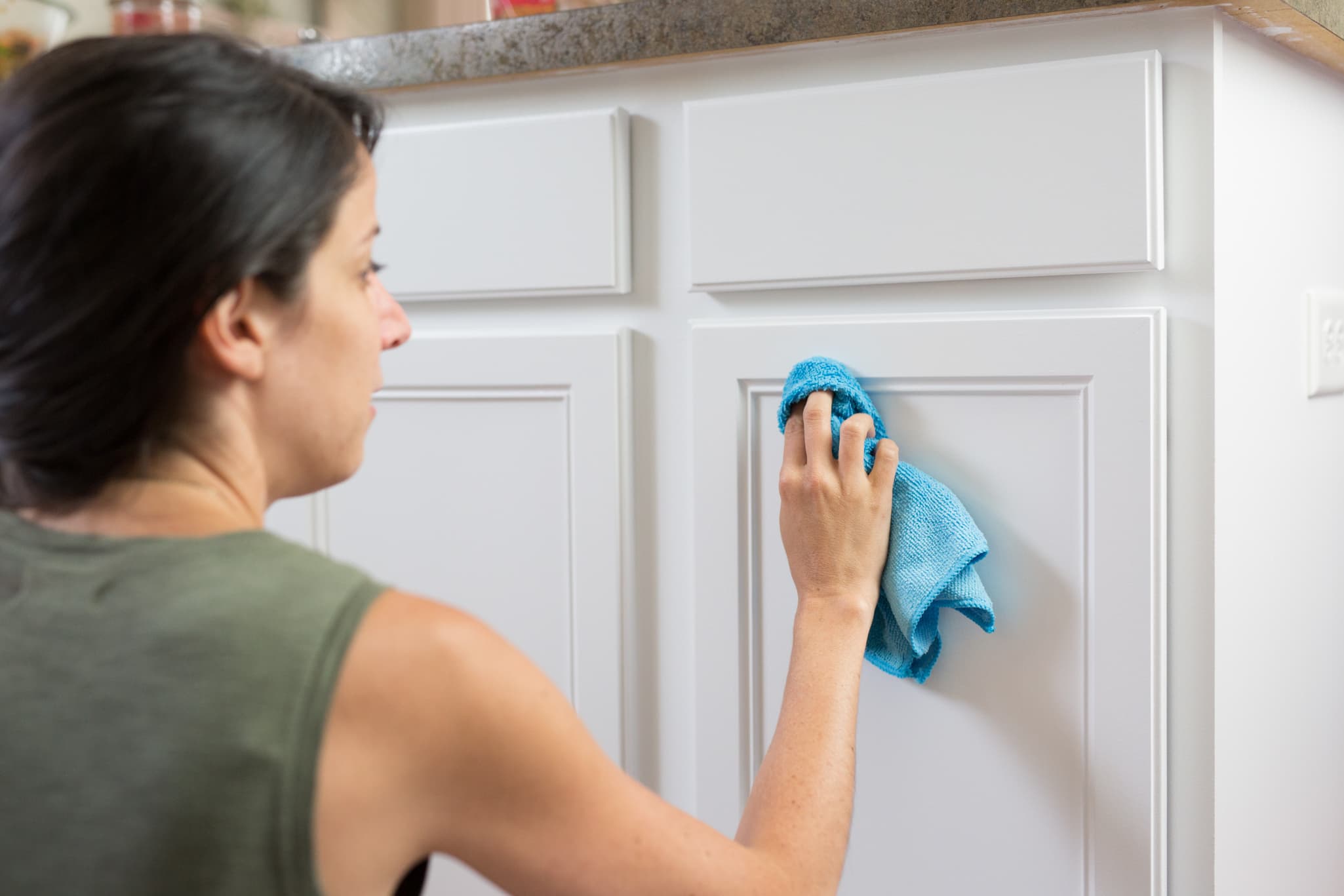
Use a damp cloth for wiping. Add mild soap if needed. This cleans grease and dirt. Avoid soaking the cloth. Too much water can damage paint. Wipe gently for best results.
Mix baking soda and water. This forms a paste. Apply it to stubborn stains. Let it sit for a few minutes. Scrub gently with a soft brush. Rinse with a damp cloth afterward. Stains will fade away.
Drying And Polishing
Ensure painted kitchen cabinets are completely dry with a soft cloth to prevent damage. Polish gently using a microfiber cloth for a shiny finish.
Proper Drying Techniques
Drying cabinets right is very important. Use a soft towelfor drying. This prevents scratches. Make sure cabinets are completely dry. Water can damage paint. Leave doors open to dry inside. Fans can help speed up drying. Air flow is key. Drying well keeps cabinets safe.
Enhancing Shine And Protection
Polishing adds shine. Use a non-abrasive polish. It keeps cabinets looking new. Apply polish with a soft cloth. Rub gently in circles. This avoids marks. Polishing also adds a layer of protection. Protects from dust and stains. Cabinets stay beautiful longer.
Maintaining Painted Cabinets
Keep your kitchen cabinets looking bright and fresh. Use a soft cloth for dusting. Wipe cabinets with a damp cloth weekly. Avoid using too much water. Water can damage the paint. Gentle soap works best for cleaning. Mix a small amount in warm water. Gently clean the cabinet surface. Dry the cabinets with a soft towel. This prevents water spots.
Protect cabinets from scratches and dents. Do not slam doors or drawers. Use gentle force when closing them. Keep sharp objects away from the paint. Avoid harsh chemicals. They can harm the paint. Choose cleaners labeled as safe for painted surfaces. Use soft sponges instead of abrasive ones. This helps keep the paint intact.
Troubleshooting Common Issues
Painted kitchen cabinets often face issues like dirt buildup and stains. A gentle cleaning solution of warm water and mild dish soap can effectively remove grime. Regular maintenance prevents damage, keeping your cabinets looking fresh and vibrant.
Dealing With Scratches
Small scratches on painted cabinets can be fixed easily. Use a matching paint color to cover scratches. Dab a small amount of paint on the scratch. Use a soft brush for this task. Let the paint dry completely. Check if the scratch is gone. Repeat if needed. Avoid rough cleaners on painted surfaces. They can cause more scratches. Use a soft cloth instead.
Handling Paint Peeling
Peeling paint can be a big problem. First, clean the area gently. Use a damp cloth for cleaning. Remove any loose paint flakes. Sand the edges lightly. This helps the new paint stick better. Apply a thin layer of primer. Let it dry fully. Then, use matching paint. Apply it carefully over the spot. Let it dry completely. Avoid hot water on painted cabinets. It can cause more peeling.
Credit: www.reddit.com
Credit: www.thekitchn.com
Frequently Asked Questions
How Often Should I Clean Painted Cabinets?
Clean your painted kitchen cabinets every two weeks to prevent grime buildup. Regular maintenance helps preserve the paint and keeps the surface looking fresh. Use a gentle cleaner and soft cloth to avoid scratches. Consistent cleaning extends the life of your cabinets and maintains their appearance.
What Cleaner Is Safe For Painted Cabinets?
Use a mild dish soap mixed with warm water for cleaning. Avoid harsh chemicals that can damage the paint. A microfiber cloth is ideal for wiping down surfaces without scratching. Test any new cleaner on a small area first to ensure it doesn’t harm the finish.
Can Vinegar Damage Painted Cabinets?
Vinegar is slightly acidic and can damage paint over time. If you use vinegar, dilute it with water. Always rinse thoroughly to remove any acidic residue. For a safer alternative, opt for mild dish soap and water to clean your painted cabinets effectively.
How Do I Remove Grease From Cabinets?
To remove grease, use a mix of baking soda and water to form a paste. Apply it to the greasy area and let it sit for a few minutes. Gently scrub with a soft cloth and rinse with warm water.
This method is effective without harming the paint.
Conclusion
Cleaning painted kitchen cabinets requires patience and care. Regular maintenance keeps them looking fresh. Use mild soap and warm water for routine cleaning. Avoid harsh chemicals or abrasive pads to prevent damage. Dry cabinets with a soft cloth to avoid water spots.
Spot clean stains promptly with gentle solutions. Consistent care helps extend the life of your painted cabinets. Enjoy a bright and welcoming kitchen space. With these simple tips, your cabinets will stay beautiful for years. A clean kitchen makes cooking more enjoyable.
Keep your kitchen cabinets shining with ease.
One Response